Steve January Update
Jan 1, 2026

Laying the Groundwork for Automation at Scale
As we enter the new year, December marked a focused and execution-driven period for Steve. The month was dedicated to strengthening platform reliability, refining core workflows, and introducing foundational automation capabilities that move us closer to our vision of a true AI operating system for work.
Much of December’s work happened behind the scenes. We focused heavily on resolving reported issues, improving system stability, and reinforcing internal infrastructure to ensure Steve remains dependable as adoption and usage continue to grow. Alongside this foundational effort, December also delivered meaningful progress across Vibe Studio, BookMind, and Steve’s automation layer.
Strengthening Core Building Blocks
Vibe Studio Updates
Vibe Studio continued to mature as a dependable environment for building and deploying AI-powered applications. This month’s improvements focused on clarity, control, and confidence throughout the build lifecycle.
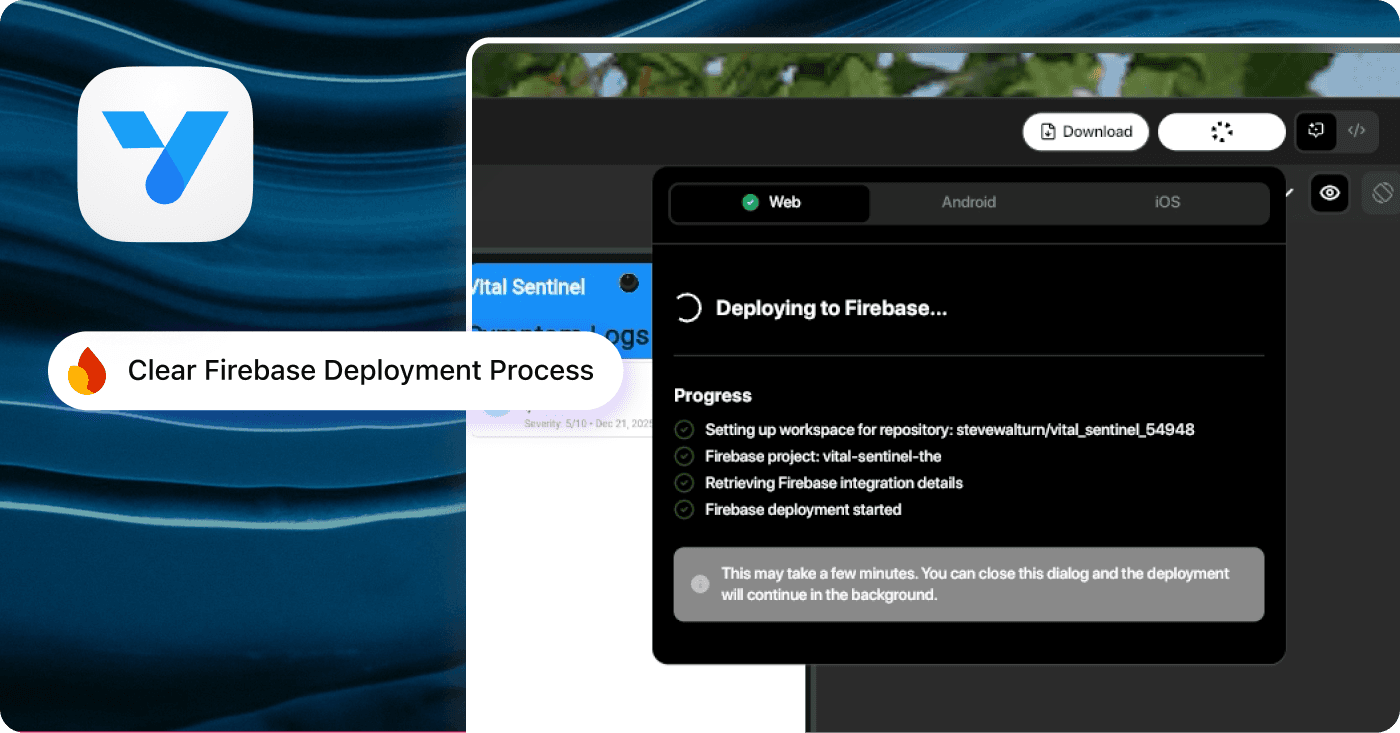
Clear Firebase Deployment Process
The Firebase deployment flow was redesigned to run asynchronously with real-time status updates. Builders can now clearly track deployment progress, understand what is happening at each stage, and manage releases more confidently.
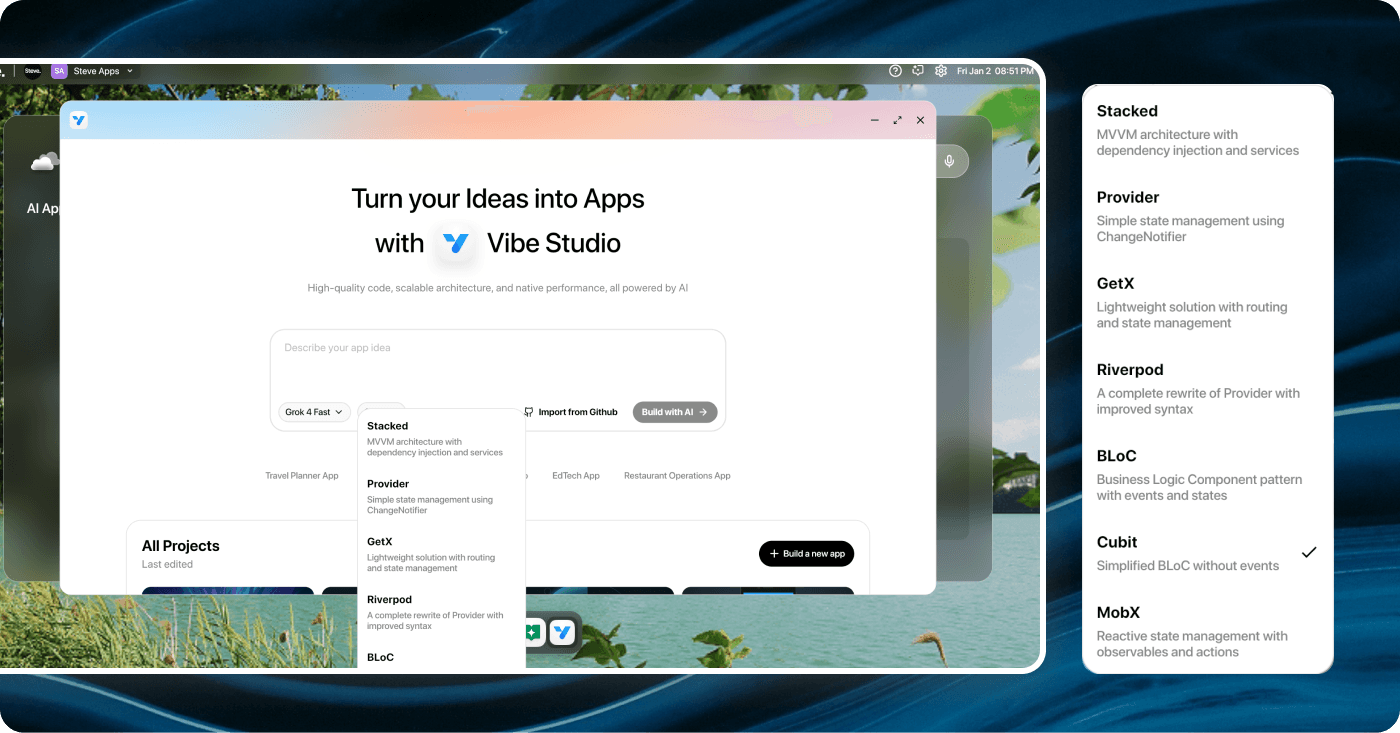
State Management Selection
State management selection was introduced, allowing builders to explicitly choose how application state is handled. This adds architectural flexibility and enables more consistent behavior across projects. A new sample project showcasing provider-based state management was also added to help teams get started quickly.
Together, these updates improve transparency and predictability across building, testing, and deployment in Vibe Studio.
Introducing Steve Workflows
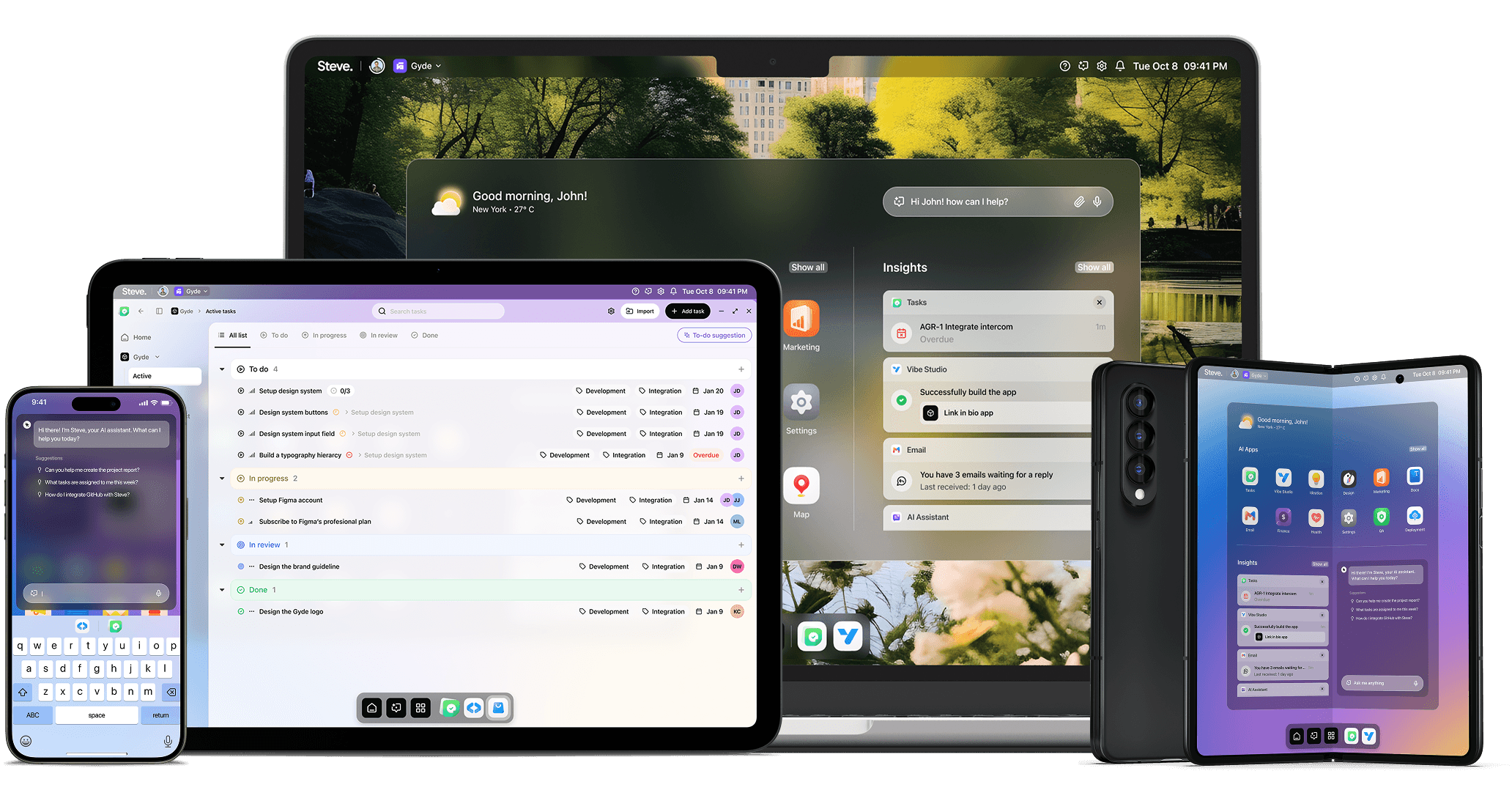
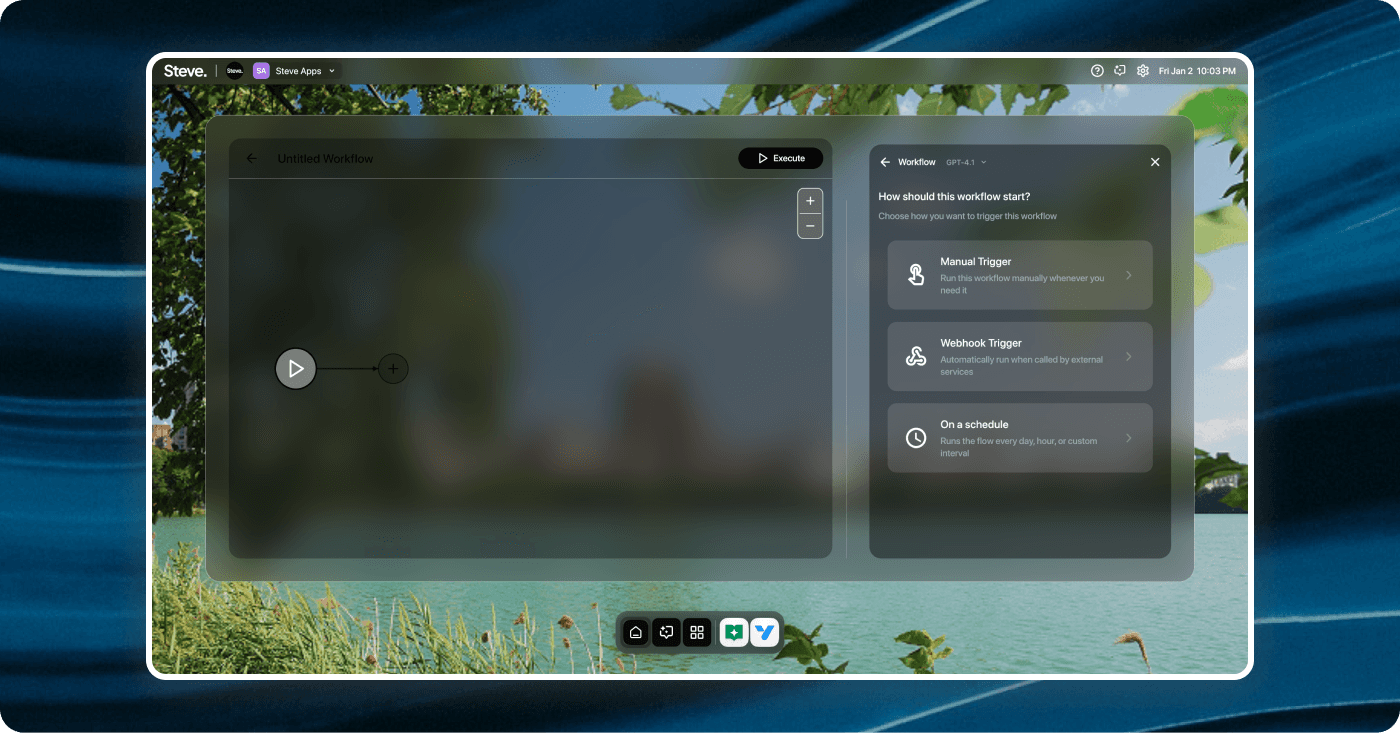
December marked the launch of Steve Workflows, a major milestone in enabling end-to-end automation directly within the platform.
Steve Workflows allows users to create multi-step automations using plain English instructions, without requiring technical configuration or manual data mapping. Instead of navigating complex APIs or integration schemas, users can describe the outcome they want, and Steve handles the orchestration behind the scenes.
Throughout December, Steve Workflows received several usability and reliability improvements, including:
Scheduled workflow triggers with timezone awareness
The ability to pause and resume scheduled workflows
Automatic draft saving during workflow creation
Clearer calls to action and improved workflow creation UX
Visual loading states and confirmation dialogs to increase confidence during edits
These enhancements make it easier for users to move from intent to execution, reinforcing Steve’s role as an action-oriented AI platform.
BookMind Improvements
BookMind received several important updates in December focused on performance, structure, and long-term flexibility.
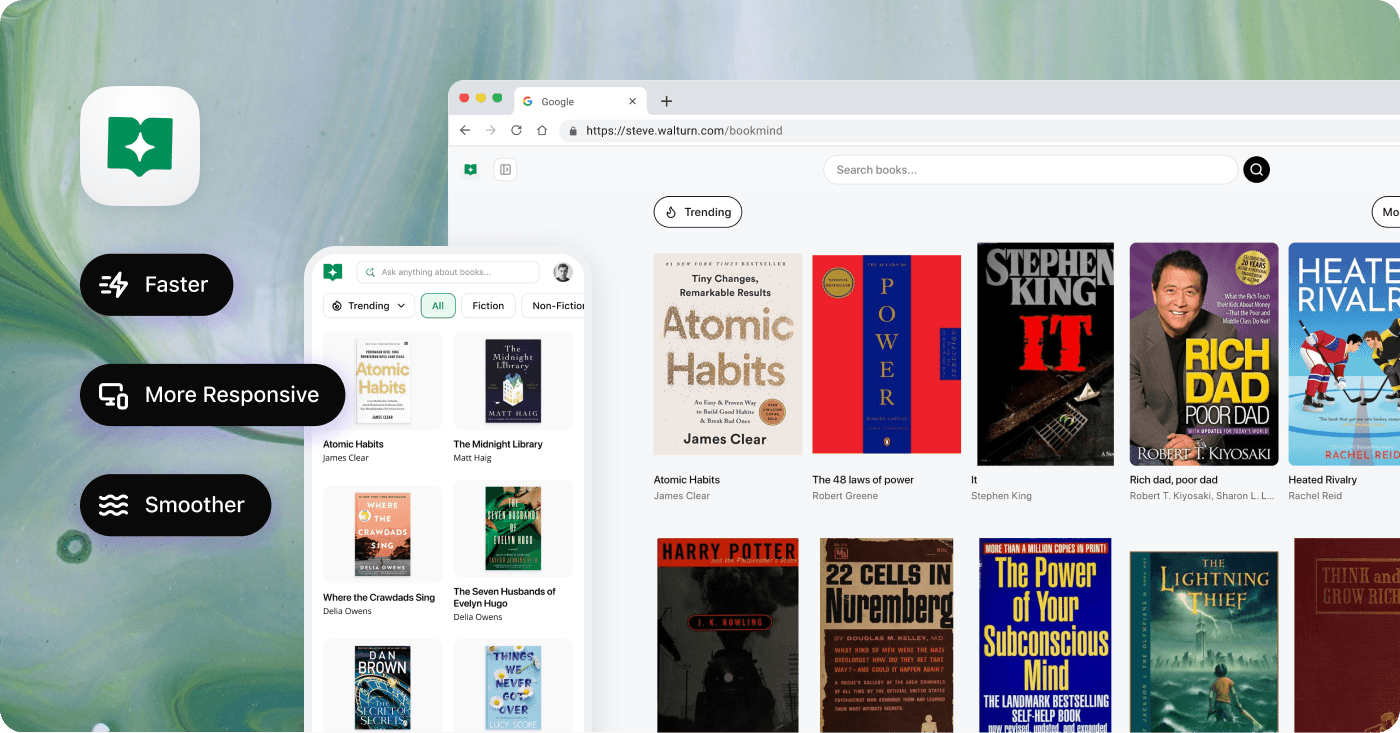
Improved Trending Books Performance
Performance improvements were rolled out to make trending book discovery faster and more responsive, resulting in a smoother browsing experience.
BookMind Standalone Foundation
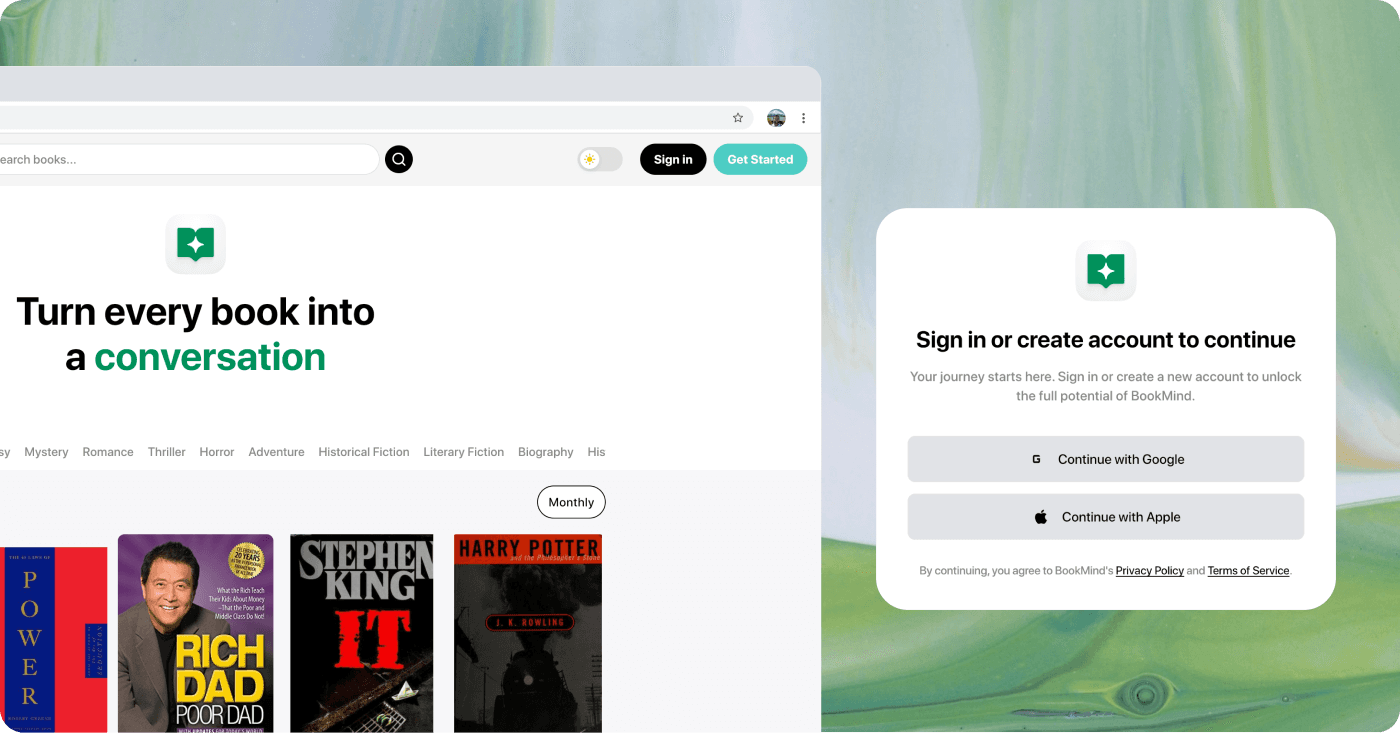
Initial work began on a standalone version of BookMind, including the creation of a dedicated module and a complete user interface. While some aspects are still being finalized, this lays the groundwork for making BookMind a more independent and scalable product within the Steve ecosystem.
Exclusive BookMind Pricing
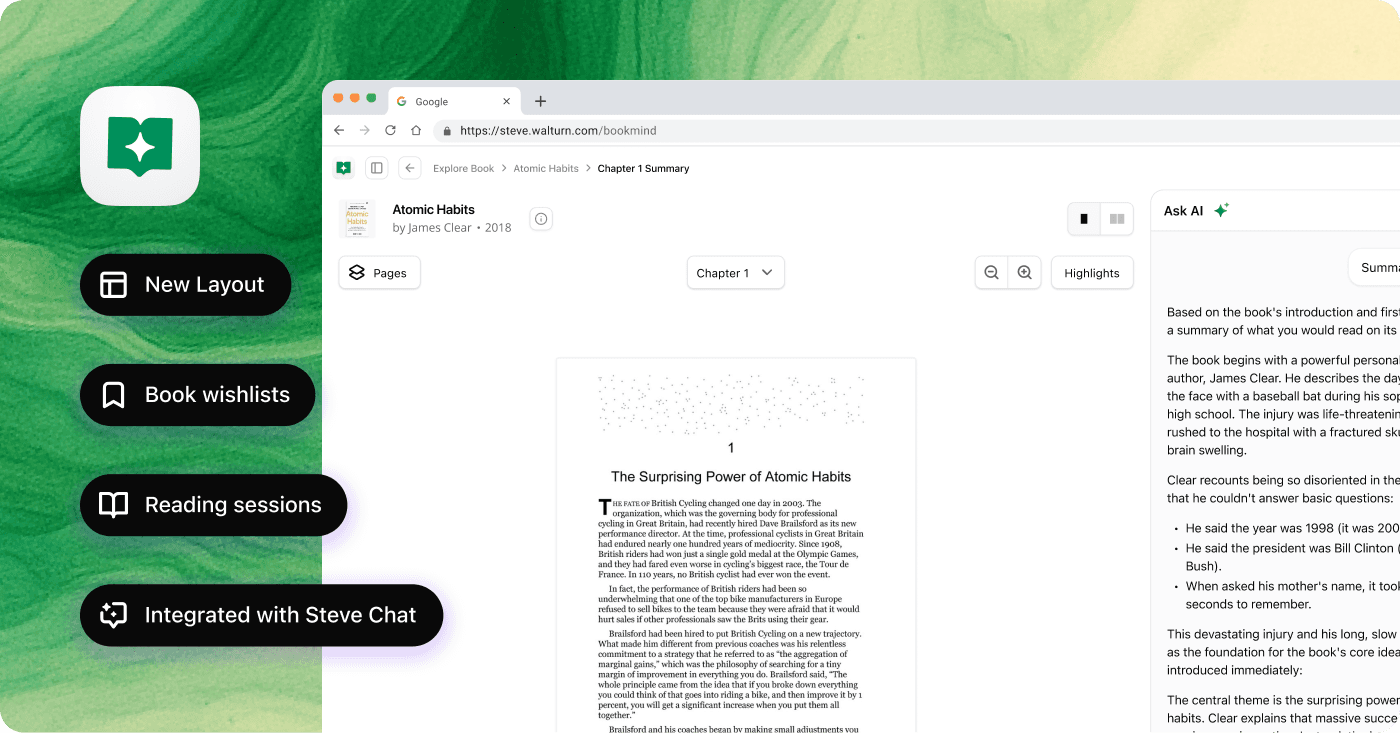
An exclusive pricing option for BookMind was introduced, creating clearer value alignment for users who rely on it as a dedicated learning companion.
Platform Reliability Enhancements
To further improve stability and observability across Steve, Firebase Crashlytics and App Check were added in December. These enhancements strengthen error tracking, security, and overall platform reliability as usage continues to scale.
Growth Highlights and Platform Momentum
Steve closed December with continued momentum, reaching 82,000 total users across startups, independent builders, and enterprises. Adoption remained broad-based, with users integrating Steve more deeply into real workflows rather than isolated experimentation.
During December:
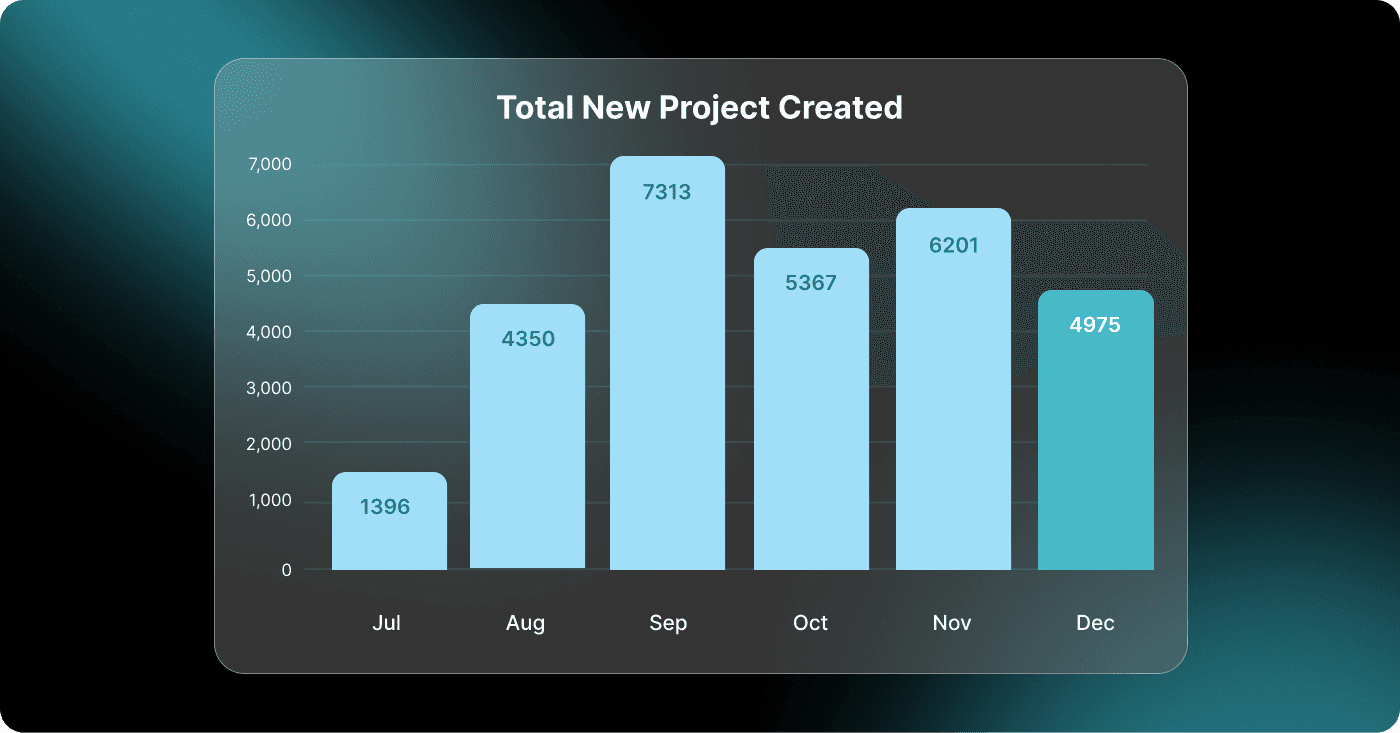
4,975 new projects were created across the platform, reflecting steady demand for AI-powered application building and workflow automation.
8,764 iterations were recorded as teams refined, extended, and improved existing projects - signaling deeper engagement and more mature usage patterns.
Rather than starting from scratch, many users focused on iterating on active builds, improving reliability, and expanding integrations. This trend reflects growing confidence in Steve and Vibe Studio as a production-ready platform and a shift from exploration toward sustained, long-term use.
Looking Ahead
December’s progress focused on execution and foundations. By improving deployment clarity, introducing workflow automation, and laying the groundwork for more modular products like BookMind, Steve enters 2026 with a stronger, more reliable platform.
As we move forward, the focus remains on turning intelligent conversations into coordinated action and continuing to refine the systems that power real-world workflows across the Steve ecosystem.