Why The Best Automations Start With Context Not Rules
Oct 11, 2026

Shared Memory Enables Continuity: Persistent context lets multiple agents make coherent, non-contradictory decisions over time.
Conversational Interfaces Capture Intent: Steve Chat translates nuanced human instructions into stored context that guides future automations.
Context-Aware Email Automation: Summaries and AI tags let email automation act conditionally, avoiding blunt filters and misclassifications.
Task Management Keeps Automations Grounded: AI-powered boards propose tasks tied to source context so automation aligns with real work.
Context Beats Rules For Trust: Automations built on situational signals reduce exceptions and preserve human oversight.
Introduction
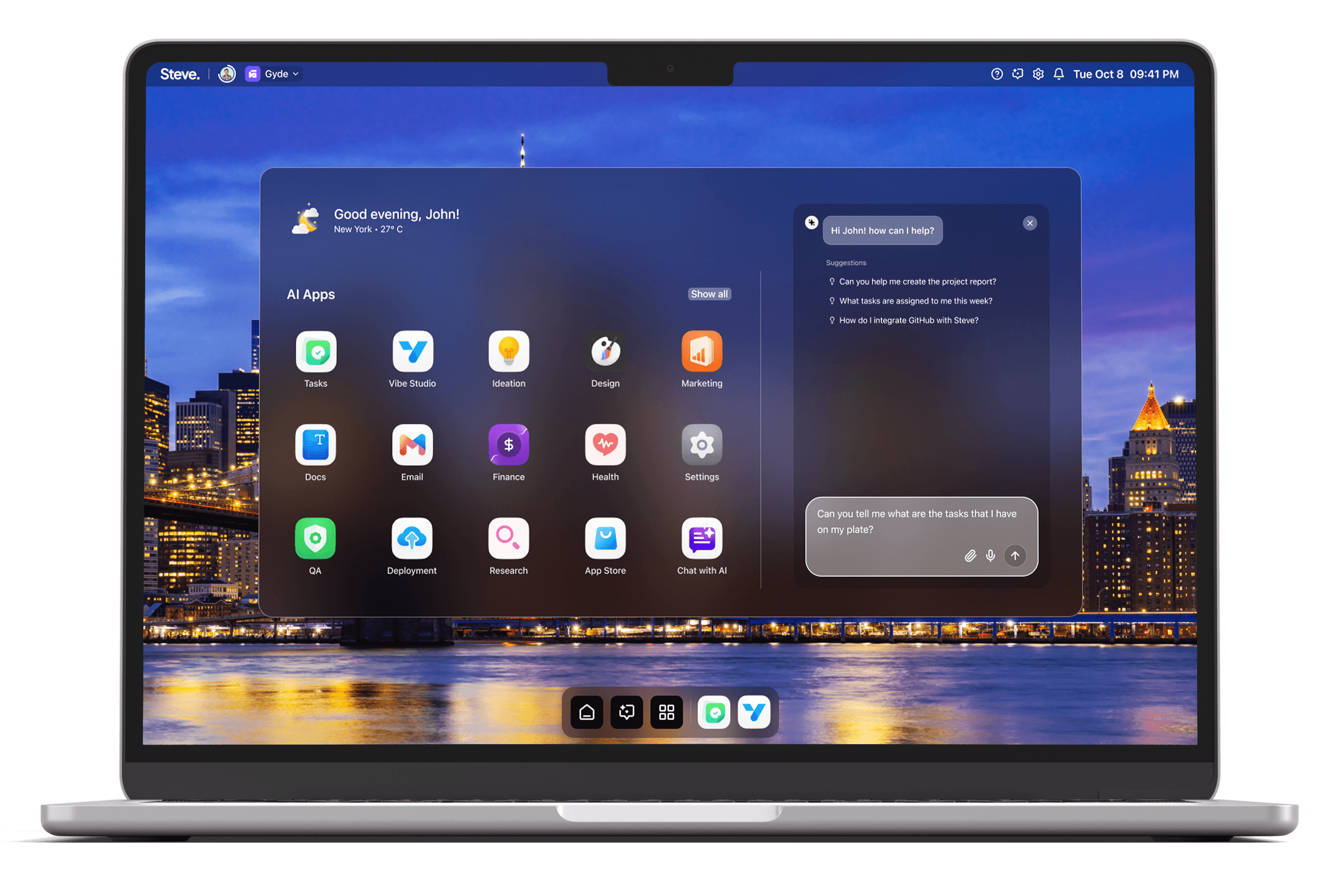
Automation succeeds when it reflects why people act, not just how they think machines should act. Rules—if/then statements, rigid filters, schedule triggers—are easy to write but brittle: they break when context shifts. Context-aware automation, by contrast, adapts because it encodes the surrounding state that gives actions meaning. As an AI Operating System, Steve is built around that principle: it captures and reuses context across conversations, email, and task workflows so automations stay relevant instead of brittle. This article explains why the best automations start with context, and how Steve’s shared memory, conversational interface, email intelligence, and task management make context-first automation practical and resilient.
Why Context Outperforms Rules
Rules are deterministic and explicit—but they lack the situational understanding humans use to override or nuance behaviors. A calendar rule that always declines meetings at 4 pm ignores trust relationships, project urgency, or an executive’s exception. Context-aware automation evaluates state: who’s asking, what the goal is, what documents exist, and recent decisions. That richer signal set lets systems make choices that align with human intent rather than blindly following predicates.
In practice, context reduces exceptions. When an automation knows a thread’s priority, recent approvals, or the person’s role, it can escalate instead of silencing, suggest instead of auto-actioning, or surface options instead of choosing one—behaviors that keep users confident in automation and reduce manual overrides.
Shared Memory Enables Continuity
Context only matters if it persists. Steve’s shared memory system lets AI agents store and retrieve the state that frames decisions: project histories, preferences, recent edits, and inferred priorities. That continuity transforms isolated automations into an ongoing situational model.
Consider a sales scenario: rather than a rule that flags every inbound demo request, a context-aware flow uses shared memory to recognize prospects already in nurture, their last interaction, and whether a technical stakeholder attended the previous call. The automation can then recommend the right next step—schedule, send a targeted brief, or assign an account owner—based on accumulated context, not a single trigger. Because memory is shared across Steve’s agents, downstream automations (email drafting, task creation, or calendar proposals) inherit the same context and avoid duplicating or contradicting actions.
Conversational Interfaces Capture Intent
Rules codify outcomes; conversations reveal intent. Steve Chat’s conversational interface, augmented by persistent memory and integrations, converts natural language nuance into actionable context. Users can explain exceptions, add nuance, or summarize constraints conversationally, and the system records that understanding for future automation.
A product manager who tells Steve Chat: “Pause deployment for customers in APAC until the compliance doc is signed,” doesn’t create a brittle blackout rule—Steve stores the intent and reasons. Later automations (release notices, support routing, or retrospective task creation) reference that stored context to behave coherently. Because the chat is file-aware and integrated with calendars, drives, and issue trackers, conversational inputs turn into rich signals that drive sensible, contextual automation across tools.
Context-Aware Email Automation
Email is a fertile ground for brittle automation: canned rules misclassify threads, bulk filters hide critical messages, and auto-responses can feel tone-deaf. Steve’s AI Email addresses this by using thread summaries, AI tags, and context-aware suggestions instead of strict filtering heuristics. Summaries surface the conversation’s intent and status so automation can act conditionally rather than absolutely.
For example, rather than auto-archiving anything labeled "low priority," Steve’s email intelligence can surface a summarized thread showing a late-stage negotiation—allowing a contextual rule to surface messages from flagged stakeholders even if the label suggests low priority. When drafting replies, context-aware suggestions align tone and content with the ongoing work: a follow-up to a contract review differs from a casual scheduling nudge, and Steve’s contextual drafting reduces the risk of inappropriate automation.
Task Management Keeps Automations Grounded
Automations should connect to execution, not operate in a vacuum. Steve’s AI-powered task boards integrate context from conversations and email to propose relevant tasks, sprints, and ownership. By anchoring suggested actions to the project context—requirements, deadlines, and recent decisions—automations become proposals that reflect current reality instead of blind actions.
In a typical use case, Steve recommends sprint items based on recent customer feedback summarized in email threads and decisions captured in chat. The proposed tasks include rationale and links to source context, so teams accept or adapt them quickly. The result: automation that accelerates work without eroding human oversight.
Steve
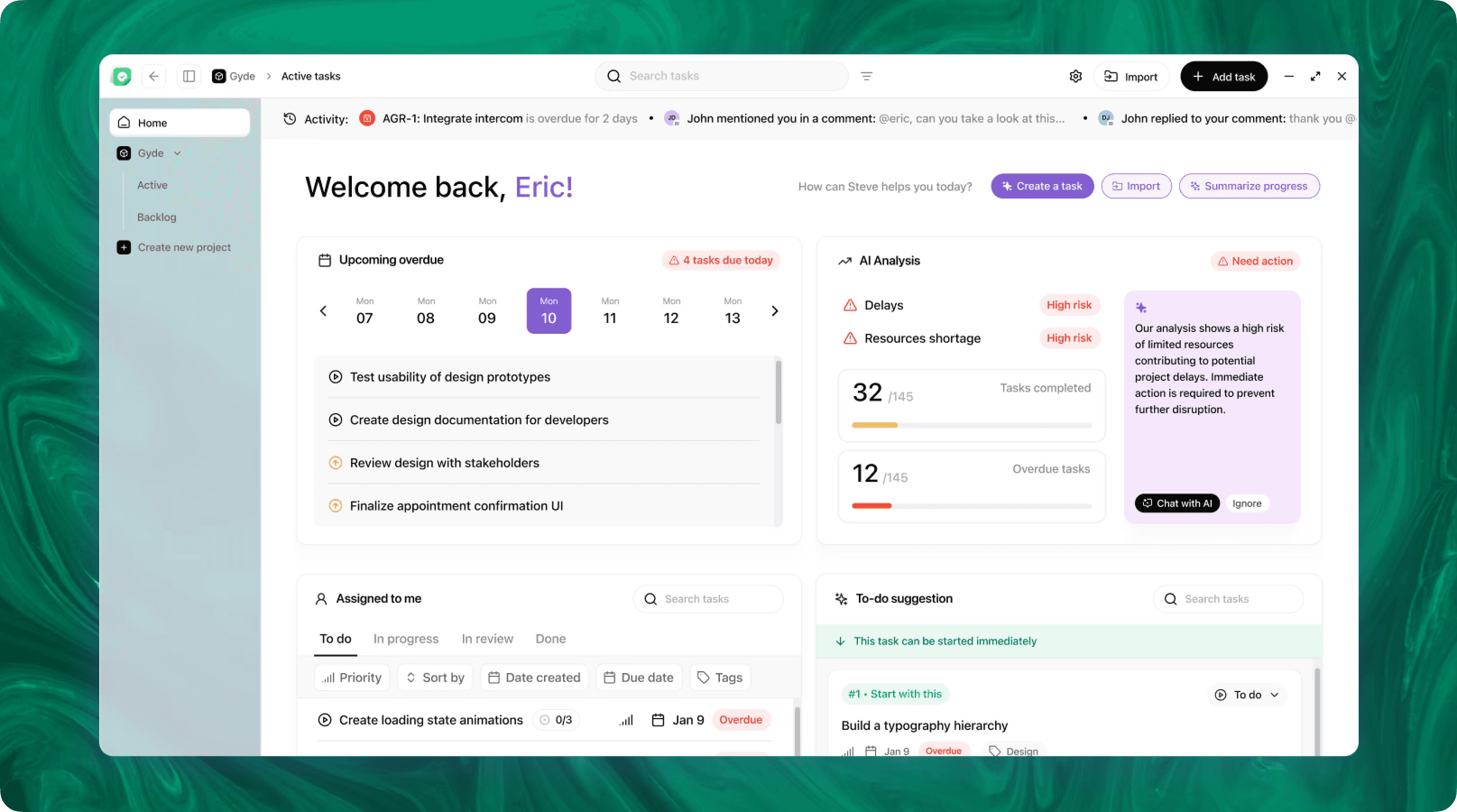
Steve is an AI-native operating system designed to streamline business operations through intelligent automation. Leveraging advanced AI agents, Steve enables users to manage tasks, generate content, and optimize workflows using natural language commands. Its proactive approach anticipates user needs, facilitating seamless collaboration across various domains, including app development, content creation, and social media management.
Conclusion
Starting automations with context, not rules, makes them adaptive, trustworthy, and scalable. Context provides the nuance rules lack: who matters, what changed, and why an action is appropriate now. As an AI OS, Steve operationalizes that approach—using a shared memory system for continuity, a conversational chat that captures intent, AI Email that summarizes and suggests with situational awareness, and task management that aligns automation with execution. The outcome is fewer brittle exceptions, more useful proposals, and automations that amplify human judgment instead of replacing it. Context-first automation isn’t just smarter: it’s the only way to build systems people rely on.