Why AI Assistants Fail Without Organizational Memory
Nov 12, 2026

Memory Gaps Break Contextual Continuity: Persistent organizational memory prevents repeated planning and conflicting recommendations by preserving prior decisions and rationales.
Shared Memory Enables Cross-Agent Continuity: A unified memory fabric lets multiple agents read and write the same context so automations and chats remain aligned.
Integrations And Email Context Keep Workflows Coherent: In-inbox summaries and context-aware suggestions let assistants act on existing conversations rather than re-parsing isolated messages.
Task Boards Turn Memory Into Action: Linking memory to task management converts decisions into tracked work, closing the loop between insight and execution.
Operational Benefit: Embedding memory across chat, email, and tasks reduces duplication, increases traceability, and scales reliable assistant behavior.
Introduction
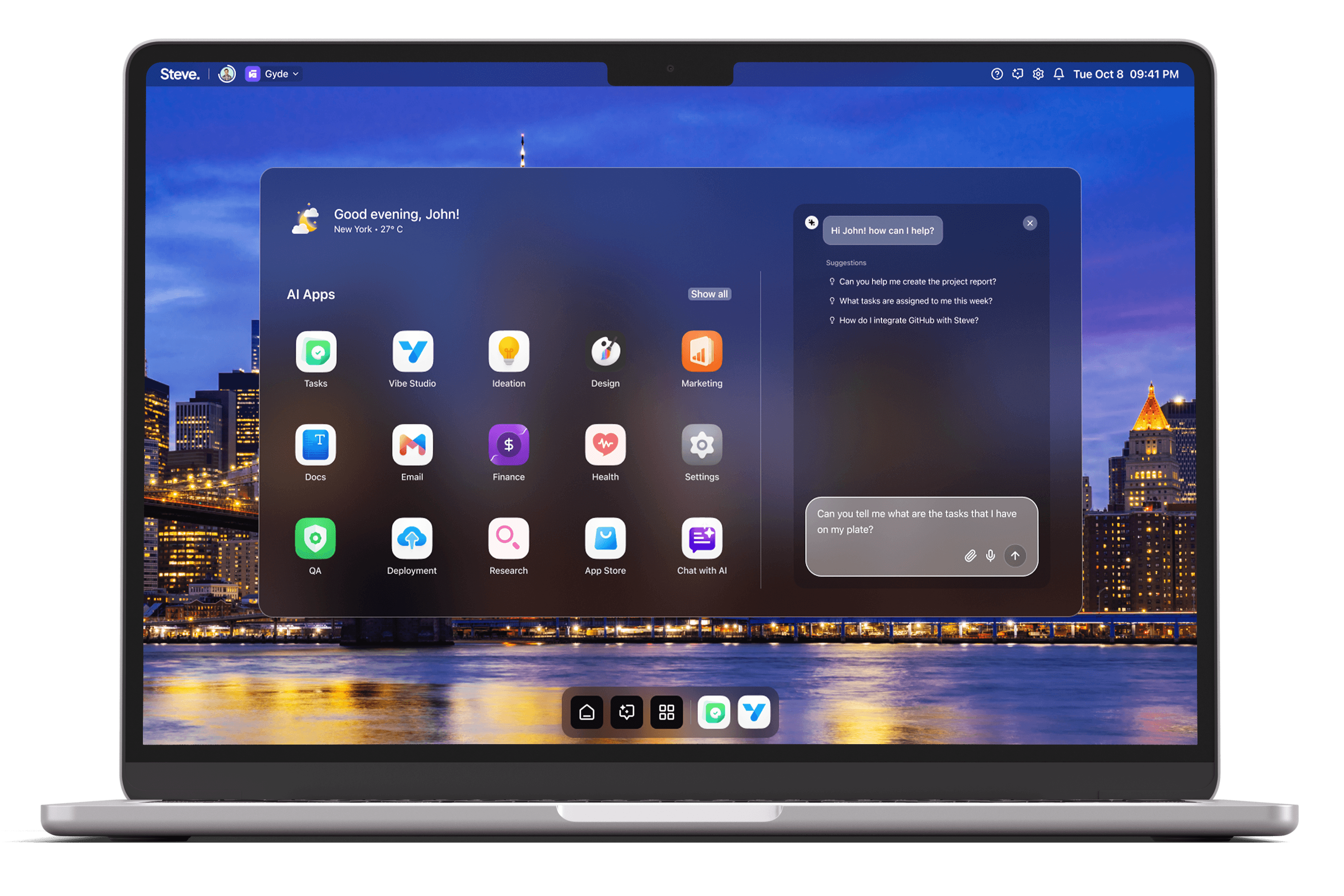
AI assistants promise faster decisions and less busywork, but most fail at scale because they lack organizational memory: a persistent, shared context that preserves decisions, documents, and the rationale behind them. Without that continuity, assistants re-run searches, repeat recommendations, and give inconsistent advice—creating friction, risk, and wasted time. Steve, as an AI Operating System, treats memory as infrastructure: its shared memory system and conversational Steve Chat combine with integrated AI Email and Task Management to keep context alive across people, tools, and time.
Memory Gaps Break Contextual Continuity
When an assistant cannot recall prior interactions or stored decisions, each new query becomes a blind restart. Teams lose visibility into why choices were made, and subject-matter context—constraints, exceptions, or stakeholder preferences—vanishes. In practice, this looks like repeated planning meetings to re-establish scope or conflicting summaries of the same thread.
A practical scenario: a product manager asks an assistant to prioritize features, the assistant produces a list, and a week later a different agent re-evaluates priorities without the earlier trade-offs or customer-feedback cited previously. The result is duplicated effort and degraded trust.
Steve addresses this by persisting organizational context so that answers accumulate rather than reset. The shared memory system stores decisions and thread history so Steve Chat can surface prior rationales during follow-ups, reducing reinventing-the-wheel cycles and ensuring recommendations stay anchored to the team’s documented intent.
Shared Memory Enables Cross-Agent Continuity
AI agents excel when they collaborate; they fail when each agent holds its own transient state. Cross-agent memory prevents context fragmentation by letting multiple agents read and write the same situational record—requirements, meeting notes, policy exceptions, and file-aware references.
Consider a hiring workflow: a recruiter’s chat with Steve notes a priority for diversity and a flexible start date. Later, an automation agent that drafts offer letters reads that same memory entry and applies the correct clause. Shared memory eliminates handoffs that usually require manual reminders and checklist updates.
Because Steve exposes a unified memory fabric, conversational assistants keep threads coherent, references stay resolvable, and downstream automations operate against the same source of truth. That continuity reduces errors and aligns outputs across channels.
Integrations And Email Context Keep Workflows Coherent
Email threads, calendar events, and documents are where contextual signals live—but assistants that operate outside those systems cannot maintain continuity. Steve’s AI Email and Steve Chat integrations preserve thread-level context: AI-generated summaries, context-aware suggestions, and in-inbox chat let the assistant understand and act on existing conversations instead of treating messages as isolated inputs.
A scenario: an executive receives a long negotiation thread. Steve’s AI Email creates a concise summary and tags action items; when the exec asks Steve Chat a follow-up, the assistant recalls the summary rather than re-reading the entire thread. The result: faster, consistent replies that reflect the conversation history.
Integrations also let Steve append memory entries with document links or calendar references, so recommendations cite primary artifacts rather than abstract claims. That traceability matters for audits, replays, and onboarding new team members.
Task Boards Turn Memory Into Action
Memory is valuable only when it triggers consistent execution. Task Management in Steve converts contextual memory into actionable boards, automations, and sprint proposals so decisions move from notes to delivered work. Without that bridge, remembered context sits inert and teams fail to translate insight into progress.
For example, a product decision captured in memory can automatically spawn an item on a task board with the same acceptance criteria and linked thread. Steve’s context-aware automation keeps the task aligned with the original intent and updates memory when status changes, creating a closed loop between knowledge and execution.
This linkage reduces status ambiguity and preserves the chain of reasoning that led to each task, which helps when priorities shift or when new contributors need to understand past choices.
Steve
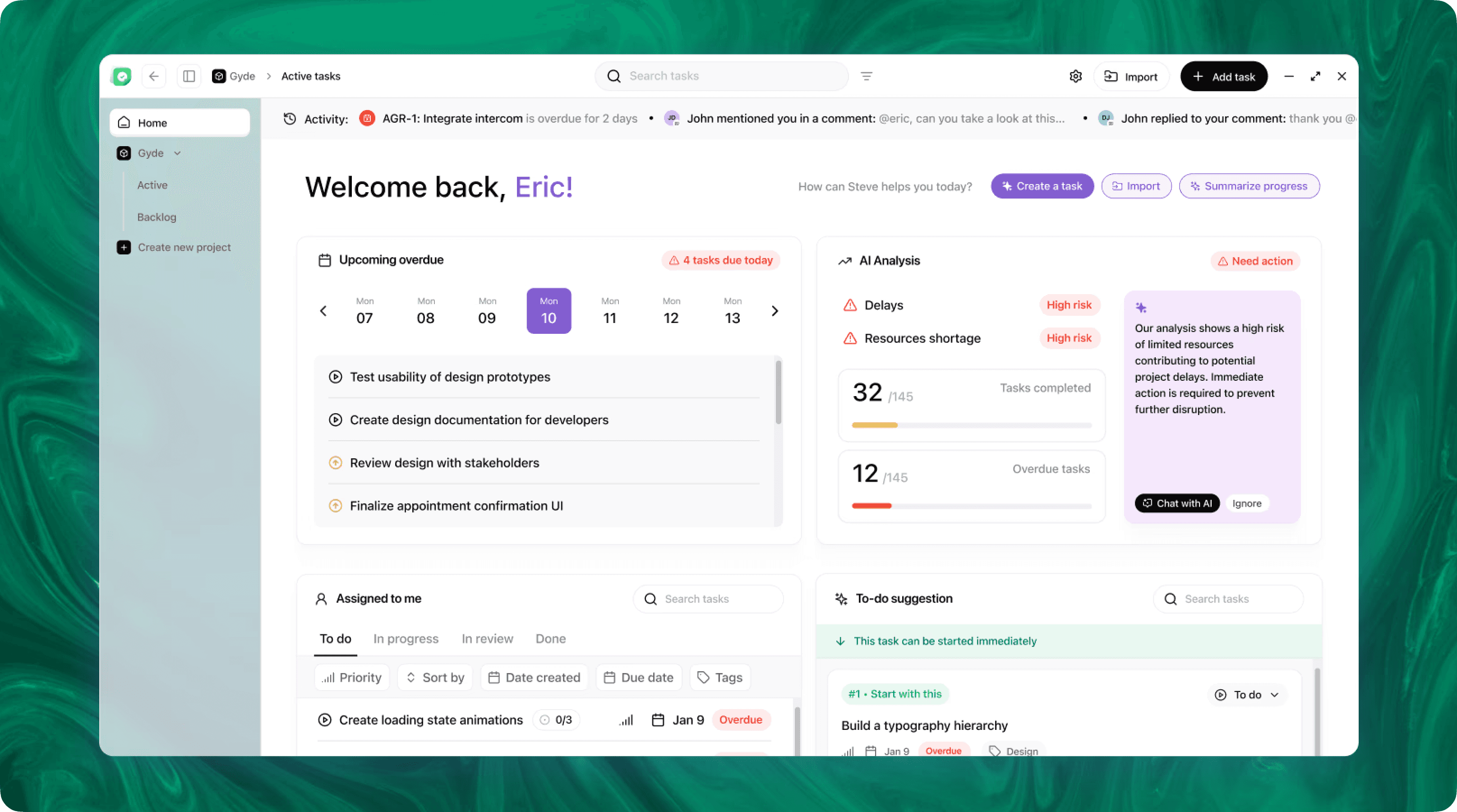
Steve is an AI-native operating system designed to streamline business operations through intelligent automation. Leveraging advanced AI agents, Steve enables users to manage tasks, generate content, and optimize workflows using natural language commands. Its proactive approach anticipates user needs, facilitating seamless collaboration across various domains, including app development, content creation, and social media management.
Conclusion
AI assistants fail without organizational memory because isolated responses lack continuity, traceability, and actionability. Steve, as an AI OS, mitigates these failures by embedding a shared memory system that supports cross-agent continuity, by using Steve Chat’s conversational memory and integrations to keep context alive across email and documents, and by linking memory to Task Management so decisions become tracked work. The result is fewer repeated conversations, more reliable recommendations, and a single, auditable source of truth that scales with team complexity. For organizations that need assistants to be collaborators rather than reset buttons, memory is the infrastructure—and Steve provides it.