Using Steve to Unify Insights Across Email
Jan 26, 2026

Smart Inboxes That Surface Signal: AI tags and categorization prioritize critical conversations so teams focus on decisions, not noise.
Summaries That Compress Threaded Context: Instant thread summaries extract decisions and action items, reducing reading time and onboarding friction.
Context-Aware Drafting And Reply Orchestration: AI-generated replies reflect thread history and intent, speeding responses and preserving tone.
Persistent Memory And Cross-Context Integration: Conversational memory keeps context across sessions, connecting email insights to later actions.
Workflow Benefit: Combined, these features convert email from a message archive into a continuous, actionable workflow supporting faster decisions.
Introduction
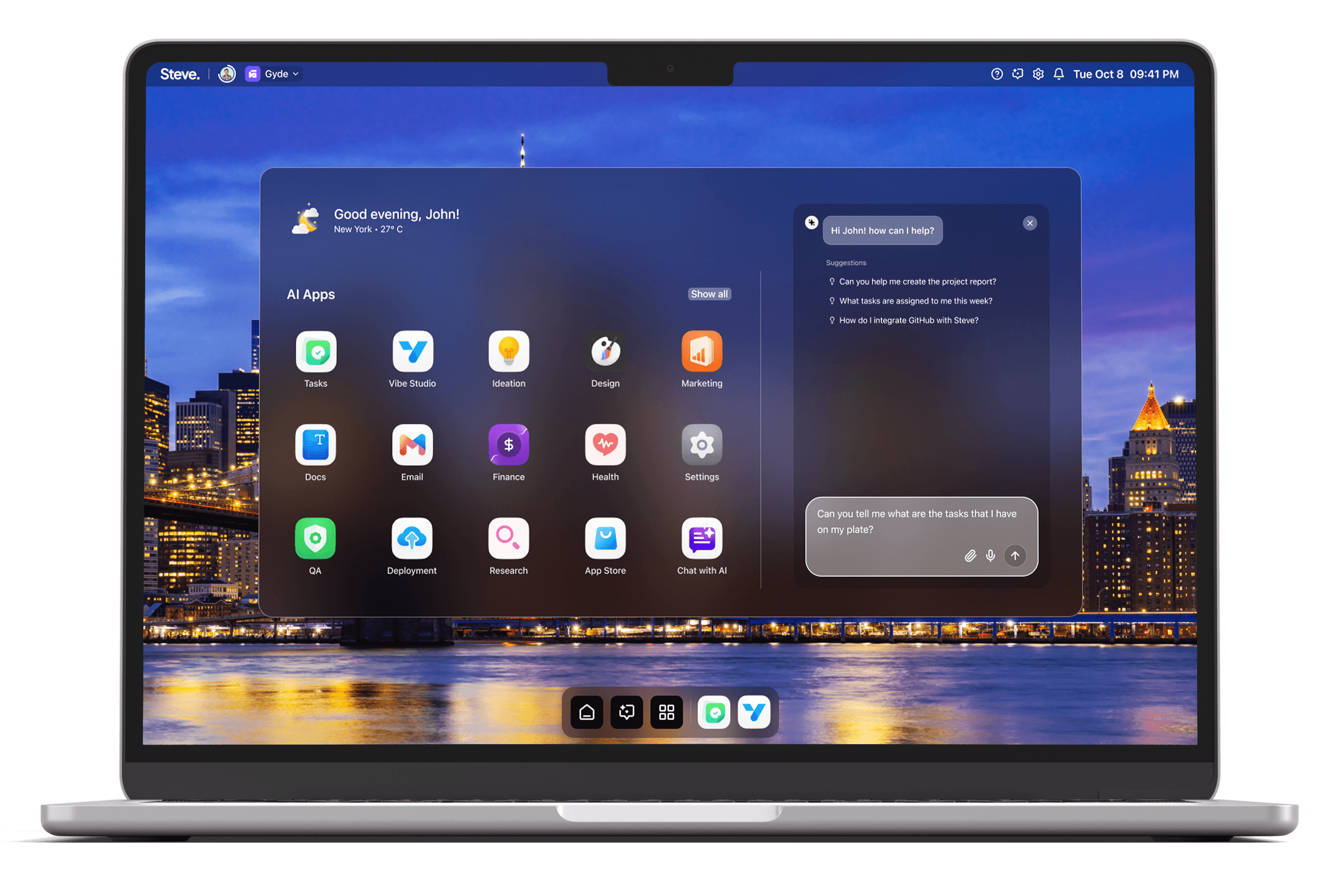
Unifying insights across email transforms inboxes from noisy message stores into strategic knowledge hubs. Steve, an AI Operating System, centralizes context, condenses conversations, and helps teams act on what matters without leaving the inbox. This article explains how Steve’s AI Email capabilities and conversational memory work together to surface priorities, summarize complex threads, draft aligned replies, and maintain cross-context continuity so decisions move faster and information stays connected.
Smart Inboxes That Surface Signal
Steve’s AI tags and categorizes emails to highlight critical conversations and reduce manual triage. Instead of scanning dozens of threads, teams can rely on AI-driven labels that group customer escalations, vendor requests, and high-priority exec messages. In practice, a product lead returning from a meeting can open a filtered view that shows only items tagged as “Decision Required” or “Ship Blocker,” enabling immediate action.
This signal-first approach prevents buried context: messages tied to an ongoing project or milestone are elevated, and less relevant newsletters or automated alerts are deprioritized. Because tagging reflects real-time sync, the inbox acts as a live operations dashboard rather than a backlog, shortening the path from insight to execution.
Summaries That Compress Threaded Context
Long, multi-part email threads hide decisions and requirements inside reply chains; Steve generates instant summaries so you grasp the gist in seconds. Summaries extract key decisions, outstanding action items, and stakeholder positions so a single paragraph replaces multiple reads. For example, a cross-functional thread about a launch — with design comments, legal edits, and scheduling proposals — can be reduced to a concise brief listing who needs to do what by when.
These compressed views are especially useful for onboarding colleagues into a conversation: instead of fanning through past messages, a PM can paste a thread summary into a task or meeting note, preserving context while keeping stakeholders aligned. Summaries reduce cognitive load and make it easier to unify insights spread across many senders and timestamps.
Context-Aware Drafting And Reply Orchestration
Steve’s context-aware suggestions draft replies that reflect the thread’s history and your ongoing work, which standardizes responses and accelerates consensus. The AI proposes reply options — from concise confirmations to detailed action plans — that incorporate the thread summary, recent attachments, and any tags assigned to the conversation. A sales rep negotiating terms can use a suggested reply that references the latest price concession and proposes next steps, ensuring both accuracy and speed.
Beyond speed, this capability preserves tone and intent across sequences of messages. When a team needs to maintain consistent language for external communications, the AI drafts replies that align with prior messages and company norms, reducing rework and the risk of contradictory statements across stakeholders.
Persistent Memory And Cross-Context Integration
Steve’s conversational memory keeps context available across sessions so insights extracted from email persist into later conversations and actions. When an AI identifies a recurring issue or a decision point in email, that context can inform subsequent interactions inside Steve’s chat environment, preventing repetition and helping surface relevant documents or calendar slots tied to the same topic.
This persistent memory becomes practical when multiple tools and collaborators intersect. For instance, after summarizing a vendor negotiation thread, Steve can recall negotiated terms when you later draft a purchase order or schedule a follow-up meeting. The memory reduces friction between reading, deciding, and executing — unifying disparate insights into a continuous workflow rather than isolated moments.
Practical Scenarios
Executive Briefing: An executive receives multiple status emails; AI tags the urgent items, summarizes the threads, and produces a single daily briefing highlighting blockers and decisions. The executive reviews fewer items and can forward a concise action list to the operations team.
Customer Escalation: A support manager gets a complex escalation involving three teams. Steve summarizes the thread, tags the issue as high priority, and suggests a reply that assigns owners and timelines, creating a clean handoff from email to execution.
Cross-Team Coordination: A product launch thread contains technical, legal, and marketing inputs. Steve’s summaries and context-aware drafts reconcile those inputs into a unified reply that lists next steps and owners, keeping everyone aligned without lengthy follow-ups.
Steve
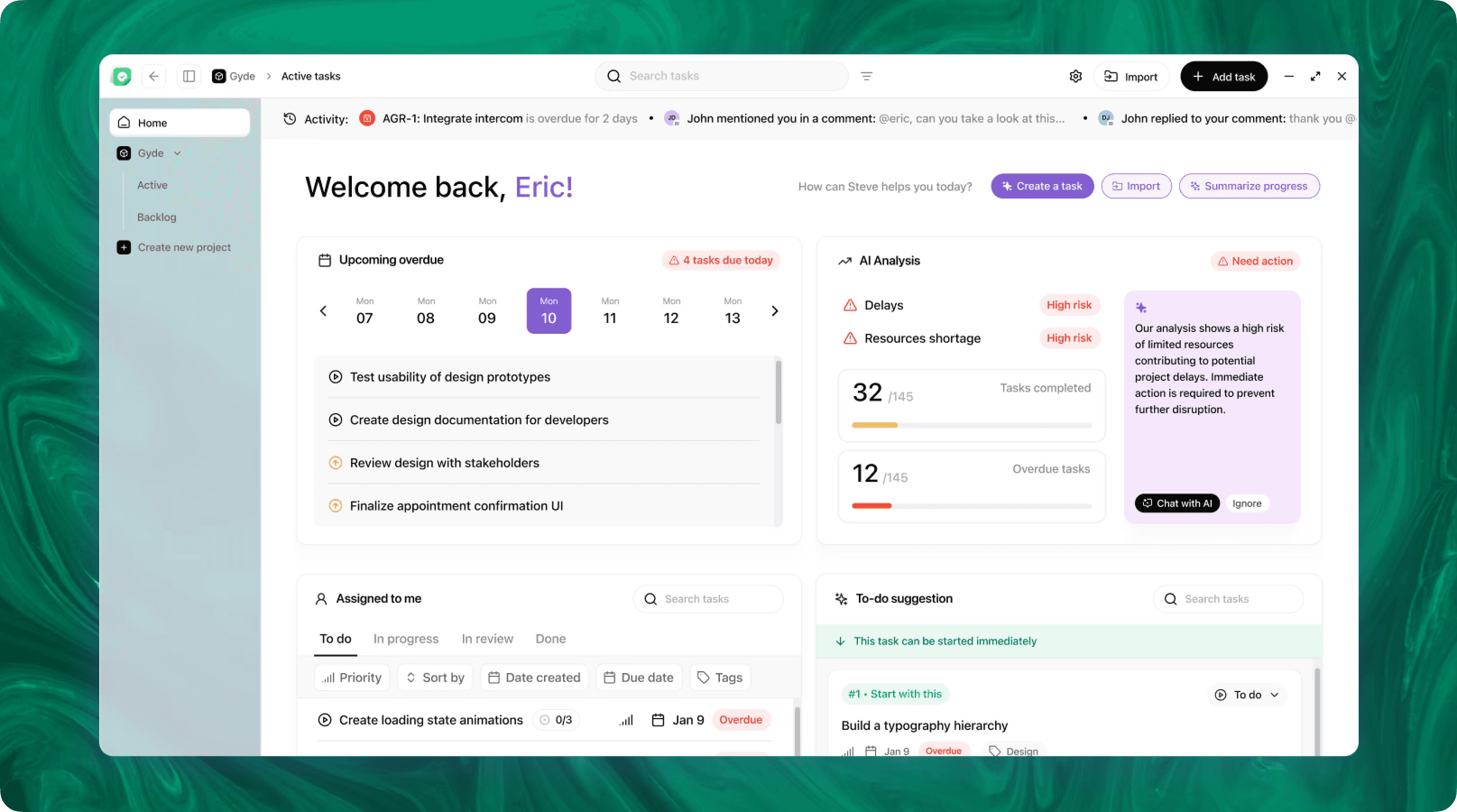
Steve is an AI-native operating system designed to streamline business operations through intelligent automation. Leveraging advanced AI agents, Steve enables users to manage tasks, generate content, and optimize workflows using natural language commands. Its proactive approach anticipates user needs, facilitating seamless collaboration across various domains, including app development, content creation, and social media management.
Conclusion
Unifying insights across email requires surfacing the right signals, compressing threaded context, drafting aligned replies, and preserving continuity as work moves forward. As an AI OS, Steve combines intelligent tagging, instant summarization, context-aware drafting, and conversational memory to turn email into an actionable knowledge layer. The result is faster decision-making, fewer missed details, and an inbox that powers coordinated execution rather than just storing messages.