Using Steve to Simplify IT Service Request Intake
Jan 20, 2026

Conversational Intake With Steve Chat: Guided, file-aware conversations capture structured request data and reduce clarification loops.
Centralized Email Triage Using AI Email: Auto-tagging and instant summaries turn noisy inbox threads into prioritized tickets quickly.
Persistent Context With Shared Memory: Memory surfaces prior incidents and ownership to accelerate diagnosis and avoid duplicated work.
Automated Ticketing And Task Management: Steve generates tasks, assigns teams, and syncs with trackers so intake becomes actionable work.
Operational Impact: Combining conversation, email AI, memory, and task automation shortens resolution times and improves ticket quality.
Introduction
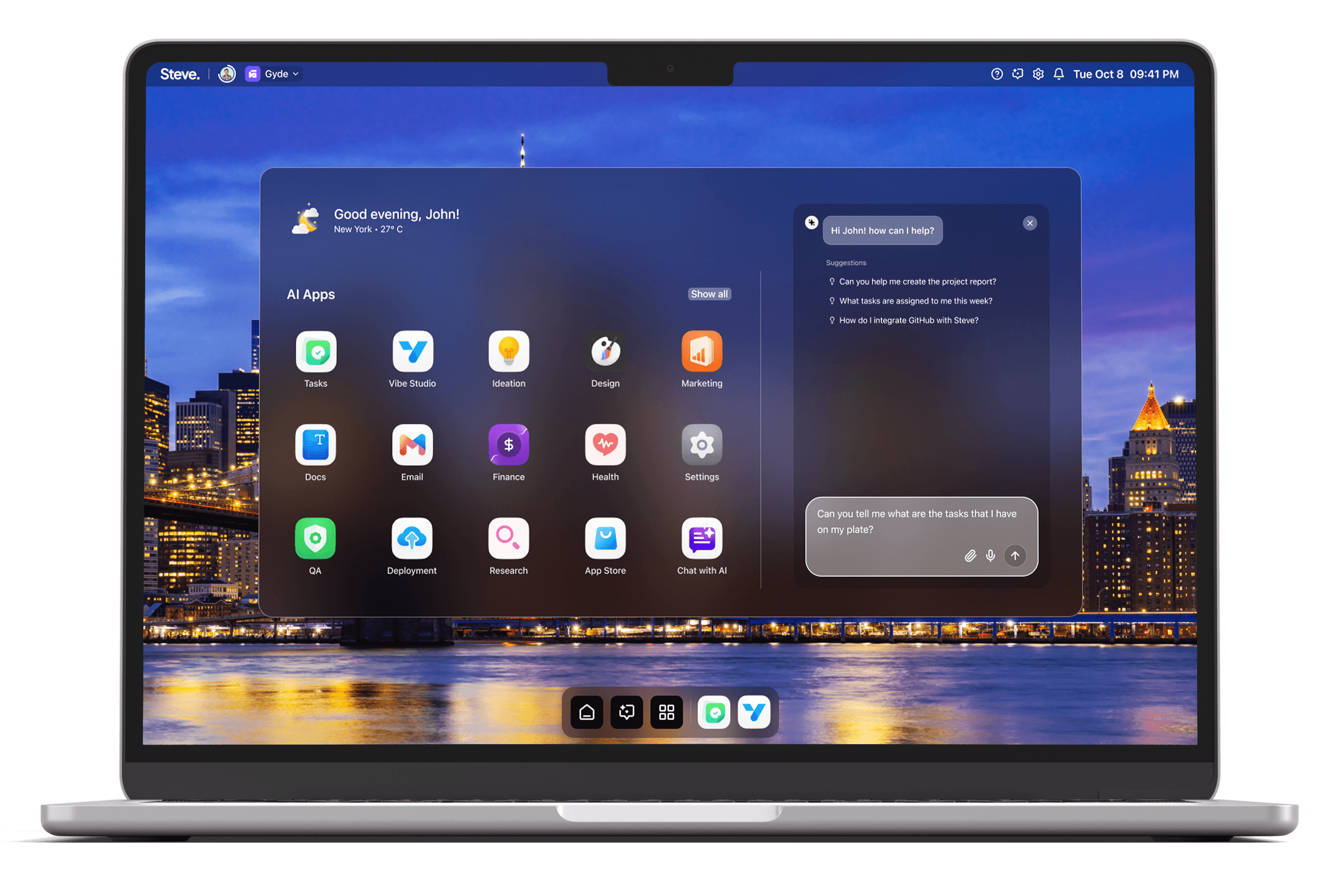
IT service request intake is the gateway to reliable operations: fast, accurate intake reduces mean time to resolution and prevents back-and-forth that wastes technician time. Steve, an AI Operating System, simplifies intake by combining conversational capture, inbox triage, shared memory, and AI‑driven task management into a single, context-aware workflow. This article explains practical ways teams use Steve to convert noisy requests into prioritized, actionable work.
Conversational Intake With Steve Chat
Steve Chat provides a guided, conversational interface that collects structured request data without forcing users to learn forms. Technicians or end users describe problems in plain language; Steve asks clarifying questions, requests attachments, and extracts key fields (affected system, urgency, steps to reproduce, screenshots, and logs). Because Steve Chat is file-aware, it accepts screenshots and error logs inline so the intake contains the artifacts technicians need.
Practical scenario: an employee reports intermittent VPN drops via Steve Chat. Steve follows a checklist—capture timestamps, client OS, recent config changes, and upload of VPN logs—then normalizes inputs into a consistent ticket payload. The result: fewer clarification loops, faster diagnosis, and tickets that arrive with meaningful context rather than vague descriptions.
Centralized Email Triage Using AI Email
Many service desks still rely on an overloaded shared inbox. Steve’s AI Email reduces triage overhead by auto-tagging messages, summarizing long threads, and surfacing priority issues. When an incident lands in email, Steve generates an instant condensed summary and recommends whether to convert the thread into a ticket, escalate, or assign to a specific queue.
Practical scenario: a supplier emails a complex outage affecting multiple users. Steve Email summarizes the thread, highlights impacted services and deadlines, and drafts an initial reply with suggested monitoring steps. A single click converts the summary into a structured request in the service queue, preserving the original thread for audit and follow-up.
Persistent Context With Shared Memory
Steve’s shared memory system ensures intake agents and downstream automation see the same contextual history. Memory stores prior incidents, recurring patterns, asset ownership, and recent changes so Steve can suggest known fixes or flag repeat issues during intake. This reduces duplicated troubleshooting and makes automated suggestions more accurate.
Practical scenario: a recurring printer authentication error has been fixed previously by updating a specific driver. When a similar report appears, Steve surfaces the previous resolution and recommends the same remediation steps while attaching the prior ticket as a reference. Technicians gain immediate context and avoid reinventing fixes.
Automated Ticketing And Task Management
Once intake is captured, Steve turns conversation and email summaries into actionable tickets using its Task Management capabilities. Steve can create tasks, assign teams, set priorities, and integrate with existing issue trackers (including importing or creating Linear tasks). It also proposes follow-up steps and sprintable work when incidents require project-level remediation.
Practical scenario: after intake, Steve creates a ticket assigned to the network team, populates SLA fields, and schedules a follow-up task for root‑cause analysis. If remediation requires a multi‑step effort, Steve organizes those steps on an AI‑powered board and recommends a sprint plan so teams can manage both incident response and long‑term fixes in the same workspace.
Steve
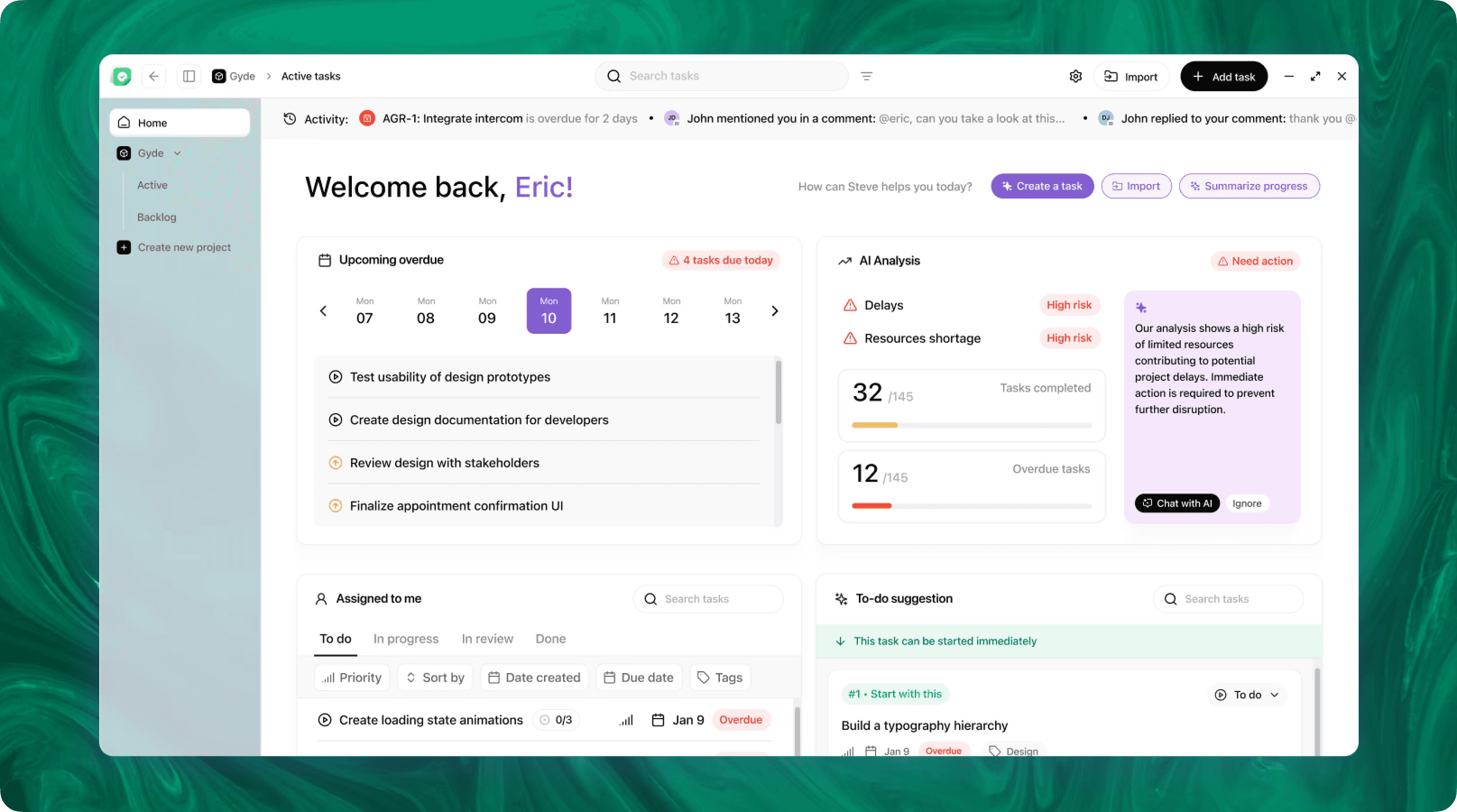
Steve is an AI-native operating system designed to streamline business operations through intelligent automation. Leveraging advanced AI agents, Steve enables users to manage tasks, generate content, and optimize workflows using natural language commands. Its proactive approach anticipates user needs, facilitating seamless collaboration across various domains, including app development, content creation, and social media management.
Conclusion
Steve, as an AI OS, compresses the intake-to-resolution loop by combining conversational capture, smart inbox triage, persistent memory, and automated task workflows. Teams that use Steve reduce clarification cycles, improve ticket quality, and accelerate remediation by ensuring requests arrive with structured context and follow-through. For IT organizations seeking cleaner, faster intake without adding process overhead, Steve provides a single platform to collect, contextualize, and convert service requests into prioritized work.