Using Steve to Coordinate Product Launch Deliverables
Nov 3, 2025

Unified Planning And Prioritization With AI-Powered Boards: AI task boards import work, propose sprints, and prioritize deliverables so launches start with an actionable roadmap.
Centralized Communication And Context With Steve Chat: Integrations and file-aware chat keep specs, calendars, and docs linked to tasks, reducing miscommunication across teams.
Streamlined External Coordination Using AI Email: Smart inbox features summarize threads and draft context-aware replies to speed vendor and partner interactions.
Shared Memory For Consistent Decisions And Handoffs: Persistent context across agents ensures updates propagate and reduces redundant clarifications during handoffs.
Operational Execution And Auditability: Real-time status snapshots, overdue alerts, and unified records make launches more predictable and postmortems more actionable.
Introduction
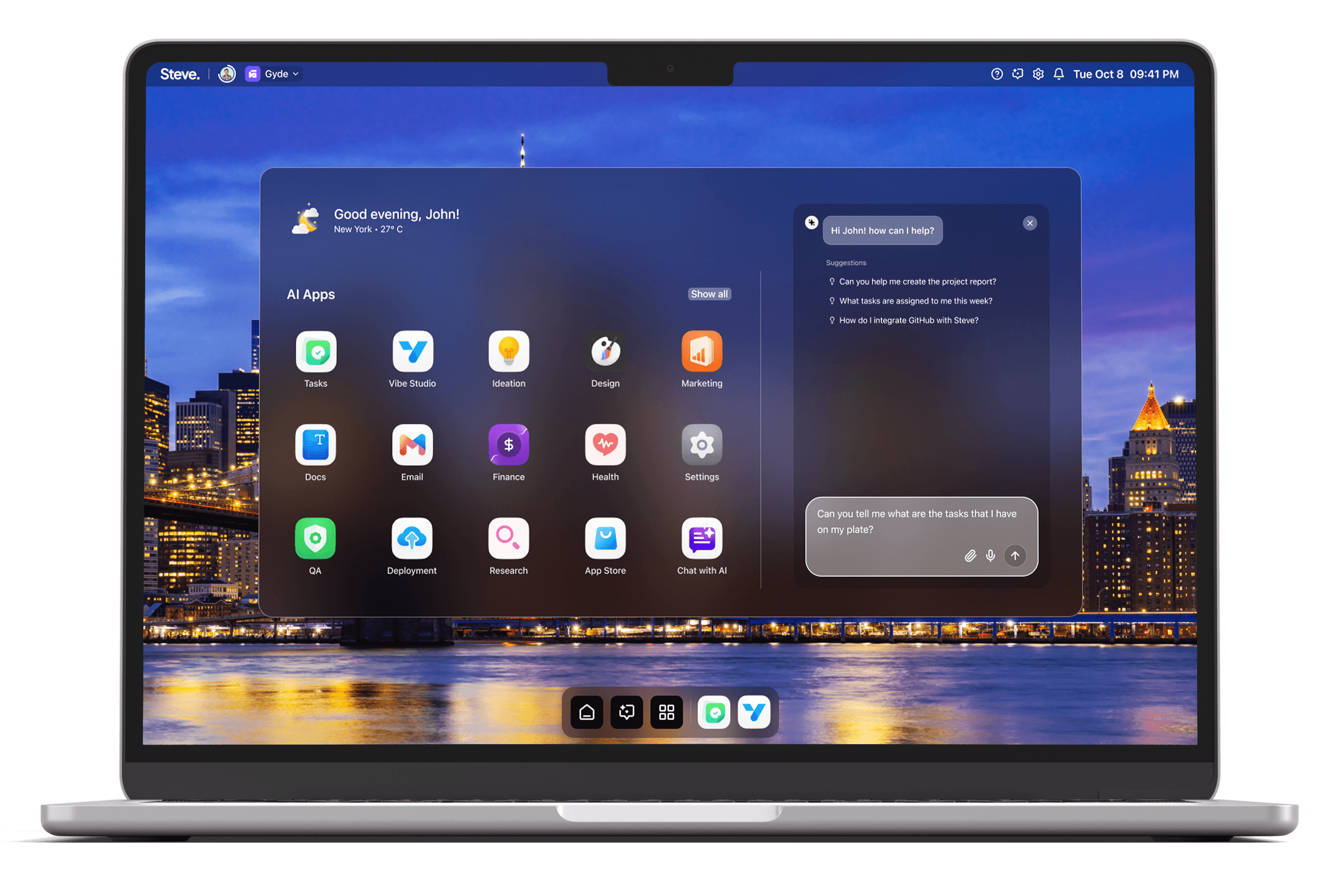
Coordinating product launch deliverables requires tight alignment across marketing, product, engineering, and customer success. Steve, an AI Operating System, centralizes planning, communications, and execution so teams move from scattered checklists to synchronized action. This article shows how Steve uses AI-powered task boards, conversational integrations, a shared memory system, and a smart inbox to coordinate launch milestones, assets, and responsibilities with fewer meetings and less manual follow-up.
Unified Planning And Prioritization With AI-Powered Boards
Use Steve’s task management boards to capture every launch deliverable—feature toggles, release notes, creative assets, localization tasks, and QA checks—in a single, AI-assisted backlog. The boards import or sync tasks from Linear and propose sprint boundaries and priorities based on dependencies and deadlines, so you get an operational plan that reflects both product intent and release constraints. Practical scenario: a product manager uploads the feature list and target date; Steve proposes an execution sprint, assigns tentative owners, and flags high-risk items for mitigation—turning a loose plan into an actionable roadmap.
Centralized Communication And Context With Steve Chat
Steve Chat ties conversations to the work itself by connecting calendars, email, Drive, Sheets, Notion, and GitHub so context travels with every request. Teams can ask Steve to schedule stakeholder reviews, find the latest marketing brief, or pull the QA spreadsheet without switching apps. Because Steve is file-aware, you can attach a spec PDF or localization spreadsheet directly inside chat and have the AI reference that content when updating tasks or drafting briefs. In practice, launching a new feature becomes a conversational workflow: PMs confirm priorities in chat, designers receive the same spec link, and engineers get a linked issue—preserving context and reducing mismatched assumptions.
Streamlined External Coordination Using AI Email
Steve’s integrated AI Email reduces the friction of external coordination by summarizing long threads, tagging priority messages, and drafting context-aware replies tailored to launch objectives. For vendor approvals, influencer requests, or partner integrations, Steve surfaces the essential decisions and proposes reply drafts that reference the current release timeline and assigned owners. A marketing lead can forward a negotiation thread to Steve and instantly receive a concise summary plus a suggested reply that confirms delivery dates and required assets—cutting the back-and-forth that often delays launches.
Shared Memory For Consistent Decisions And Handoffs
Steve’s shared memory system keeps cross-agent context persistent so decisions, constraints, and past clarifications remain attached to launch artifacts. When an AI agent creates a task or drafts an email, that context is stored and available to other agents and future queries. This prevents redundant clarifications: if a date or scope change happens, Steve propagates the update across the release board, active chat threads, and email suggestions so everyone sees the same reality. A QA engineer checking a test matrix will see the latest scope adjustments and linked assets without re-requesting them from product.
Operational Execution And Auditability
Beyond planning and messaging, Steve enforces execution discipline: it surfaces overdue deliverables, suggests reassignments, and compiles status snapshots for executive reviews. Teams can request a one-line roll-up of launch readiness or a detailed status report that includes unresolved risks and owner responses. Because conversations, tasks, and documents live in a unified workspace, audits and postmortems draw from the same factual record, enabling rapid retrospectives and cleaner continuous improvement cycles.
Steve
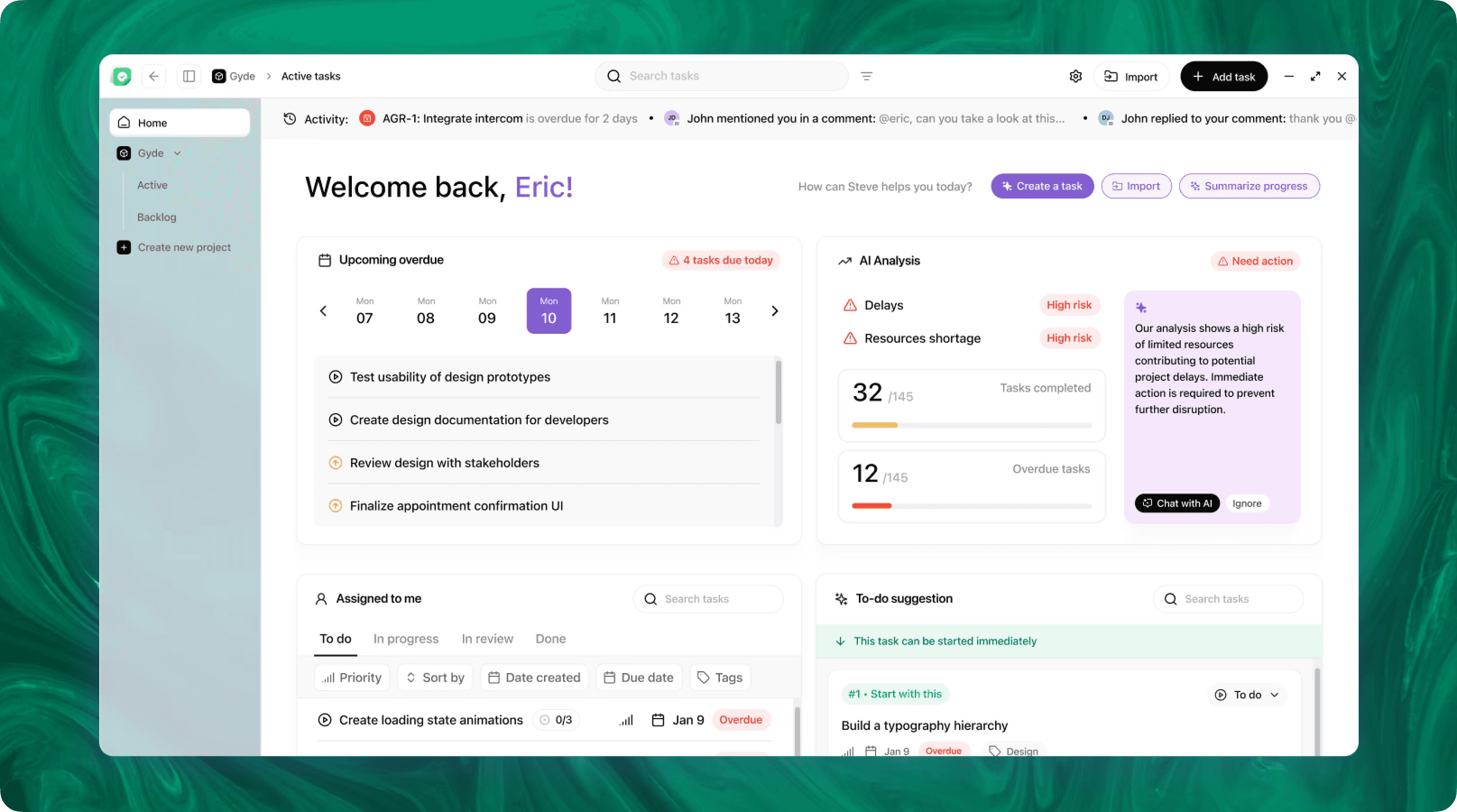
Steve is an AI-native operating system designed to streamline business operations through intelligent automation. Leveraging advanced AI agents, Steve enables users to manage tasks, generate content, and optimize workflows using natural language commands. Its proactive approach anticipates user needs, facilitating seamless collaboration across various domains, including app development, content creation, and social media management.
Conclusion
Coordinating product launch deliverables is a systems problem of alignment, context, and follow-through. As an AI OS, Steve brings the right mix: AI-powered boards translate launch scope into prioritized work, Steve Chat centralizes context across calendars and documents, AI Email streamlines external negotiation, and the shared memory ensures consistent decisions and smooth handoffs. Together these capabilities reduce manual coordination, shorten time-to-launch, and keep teams focused on execution rather than chasing status updates.