The Case For Fewer Tools And More Context
Oct 12, 2026

Shared Memory Anchors Context: Persistent shared memory preserves decisions and artifacts so teams avoid repeating background information during handoffs.
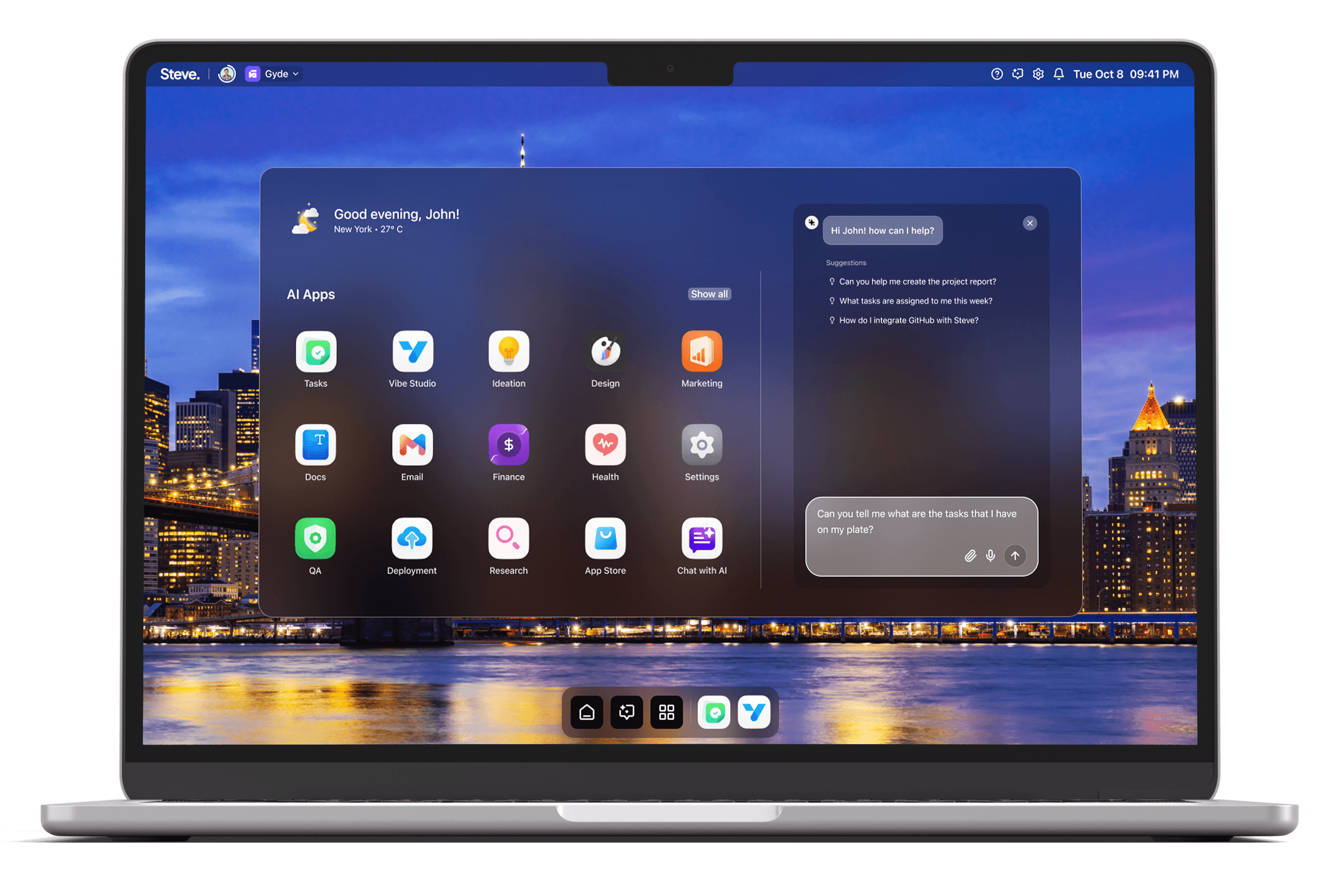
Conversation Replaces Tool Hopping: Steve Chat connects to calendars, email, Drive, and other services so users retrieve documents and act without switching apps.
Smart Inbox That Holds Context: Integrated AI Email summarizes threads, tags priorities, and supports inline AI drafting to keep negotiation and decisions co‑located.
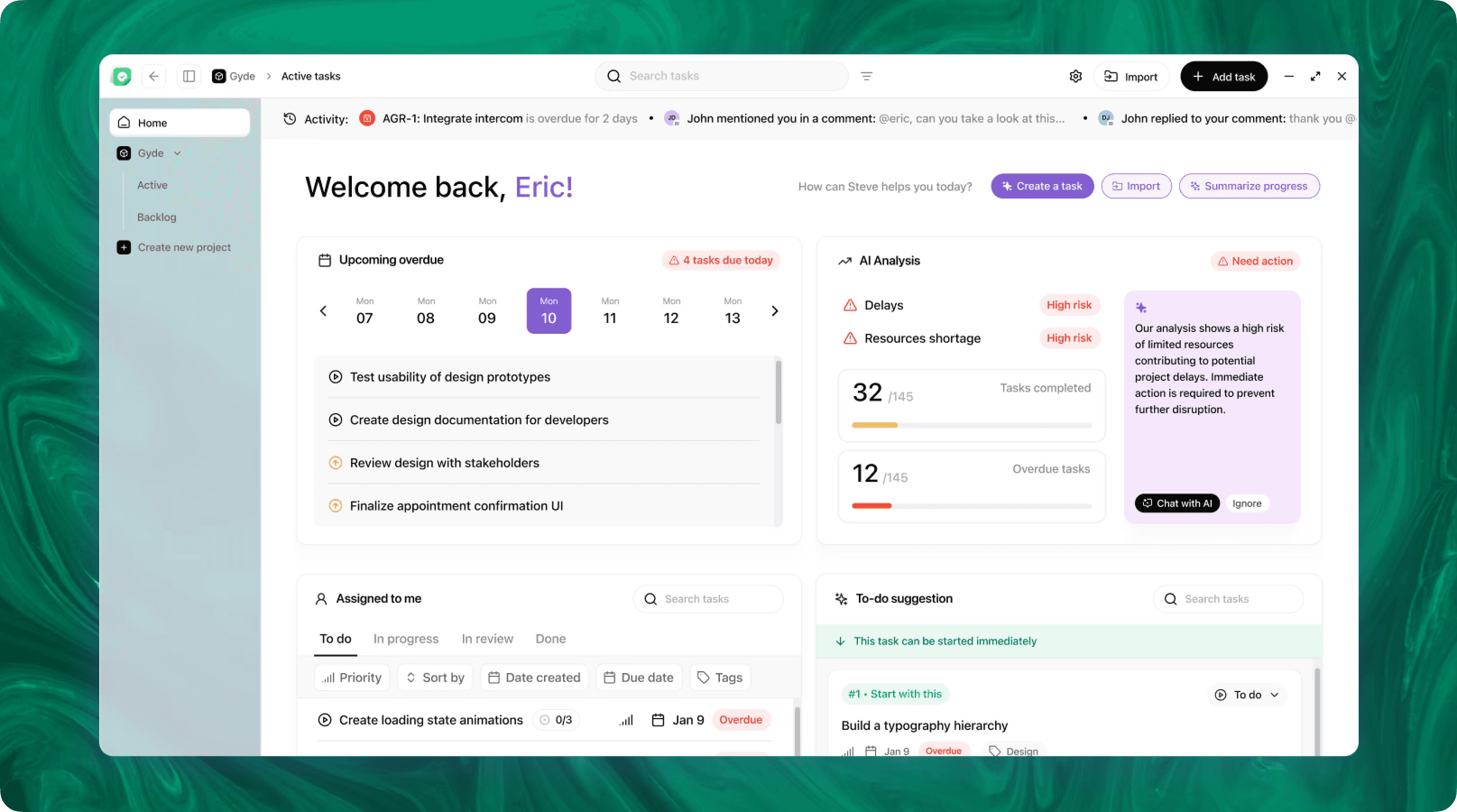
Tasks, Plans, And Execution In One Place: AI‑powered task boards with Linear integration create and track work items that remain linked to their original conversations and documents.
Workflow Benefit: Centralizing context reduces interruptions, shortens feedback loops, and shifts effort from managing tools to delivering outcomes.
Introduction
Tool proliferation fragments attention, duplicates effort, and buries context inside specialized apps. The case for fewer tools and more context is simple: reduce friction by keeping information, intent, and execution co‑located so teams spend time on work instead of on stitching systems together. Steve is built as an AI Operating System that favors context-rich interaction over tool hopping—bringing conversational access, persistent shared memory, an integrated smart inbox, and unified task management into a single workspace. The result: fewer apps, clearer context, and faster decisions.
Shared Memory Anchors Context
When context lives in files or transient conversations, every handoff becomes a restart. Steve’s shared memory system gives AI agents and user workflows a persistent context layer they can read and write. That shared memory preserves decisions, constraints, and relevant documents so subsequent requests don’t require repeating background information. In practice, a product spec, customer note, and design rationale stay linked across a feature’s lifecycle: engineering, QA, and support teams reference the same context instead of maintaining parallel notes. The benefit is concrete—reduced clarification loops, faster onboarding for collaborators, and fewer lost ideas when people switch roles or tools.
Conversation Replaces Tool Hopping
A conversational interface reduces the need to open separate apps for routine tasks. Steve Chat exposes productive capabilities through natural dialog while connecting to calendars, email, Drive, spreadsheets, and developer tools so users handle discovery, scheduling, and document retrieval without switching tabs. Because the chat is file‑aware and integrated with external services, it returns answers grounded in the actual artifacts and preserves the conversational thread as part of the project context. A product manager can ask the chat to find the most recent analytics, summarize key metrics, and create follow‑up tasks—all within the same flow—so less time is spent translating findings between tools and more time is spent acting on them.
Smart Inbox That Holds Context
Email often represents the most important cross‑team context, yet many teams still treat email as a separate, siloed tool. Steve’s AI Email combines a synced inbox with in‑place AI assistance: automatic tagging, thread summaries, context‑aware reply suggestions, and the ability to chat with the AI directly inside messages. This keeps negotiation, decisions, and attachments co‑located with the people and threads that matter. For example, long technical threads get instant summaries and actionable to‑dos, so engineering and product can extract commitments without exporting content to a separate tracker. By consolidating triage, drafting, and archival in one contextual inbox, teams avoid duplicative note taking and maintain a single source of conversational truth.
Tasks, Plans, And Execution In One Place
Planning and execution break down when task systems operate in a vacuum. Steve’s Task Management boards bring AI‑assisted planning, Linear integration, and sprint proposals into the same environment where discussions and emails live. That means tasks can be created from chat, email threads, or shared memory with contextual links back to the originating conversation or document. Managers get suggested sprint layouts and progress updates that reflect real artifacts instead of detached tickets. This reduces the overhead of synchronizing separate tools and keeps the context of decisions and acceptance criteria attached to the work items themselves, improving accountability and speeding delivery.
Steve
Steve is an AI-native operating system designed to streamline business operations through intelligent automation. Leveraging advanced AI agents, Steve enables users to manage tasks, generate content, and optimize workflows using natural language commands. Its proactive approach anticipates user needs, facilitating seamless collaboration across various domains, including app development, content creation, and social media management.
Conclusion
Fewer tools plus richer context changes how teams coordinate: it reduces interruptions, shortens feedback loops, and preserves intent across roles and time. As an AI OS, Steve demonstrates how a shared memory layer, a conversational interface, an integrated smart inbox, and unified task management can replace point solutions with a context‑first workflow. The payoff is practical—less tool friction, clearer handoffs, and faster execution—so teams can refocus on outcomes instead of on the plumbing between apps. Steve and its AI OS approach make context the platform, not an afterthought.