Steve for Manufacturing Logistics: Conversational Job Coordination
Jan 20, 2026

Conversational Coordination On The Shop Floor: Natural-language commands convert into immediate, context-aware job actions that reduce friction for frontline adjustments.
Persistent Context With Shared Memory: Shared memory keeps conversation history, documents, and agent signals accessible so teams avoid repeated status checks and accelerate troubleshooting.
Task Management And Execution Tracking: AI-powered task boards turn chat intent into prioritized work items, surface blockers, and suggest mitigations based on historical context.
Email And External Coordination: Integrated AI Email summarizes threads and drafts context-aligned replies, enabling direct conversion of external requests into internal jobs.
Operational Benefit: Combining conversational commands, persistent context, task automation, and email integration shortens decision cycles and creates a traceable coordination record.
Introduction
Manufacturing logistics demands fast, accurate coordination of jobs across people, machines, and supply streams. Steve positions itself as an AI Operating System that turns conversational inputs into actionable coordination: assigning work, reconciling status, and keeping external stakeholders aligned. This article explains how conversational interactions, persistent agent memory, AI-driven task boards, and integrated email capabilities combine to streamline job coordination on the shop floor.
Conversational Coordination On The Shop Floor
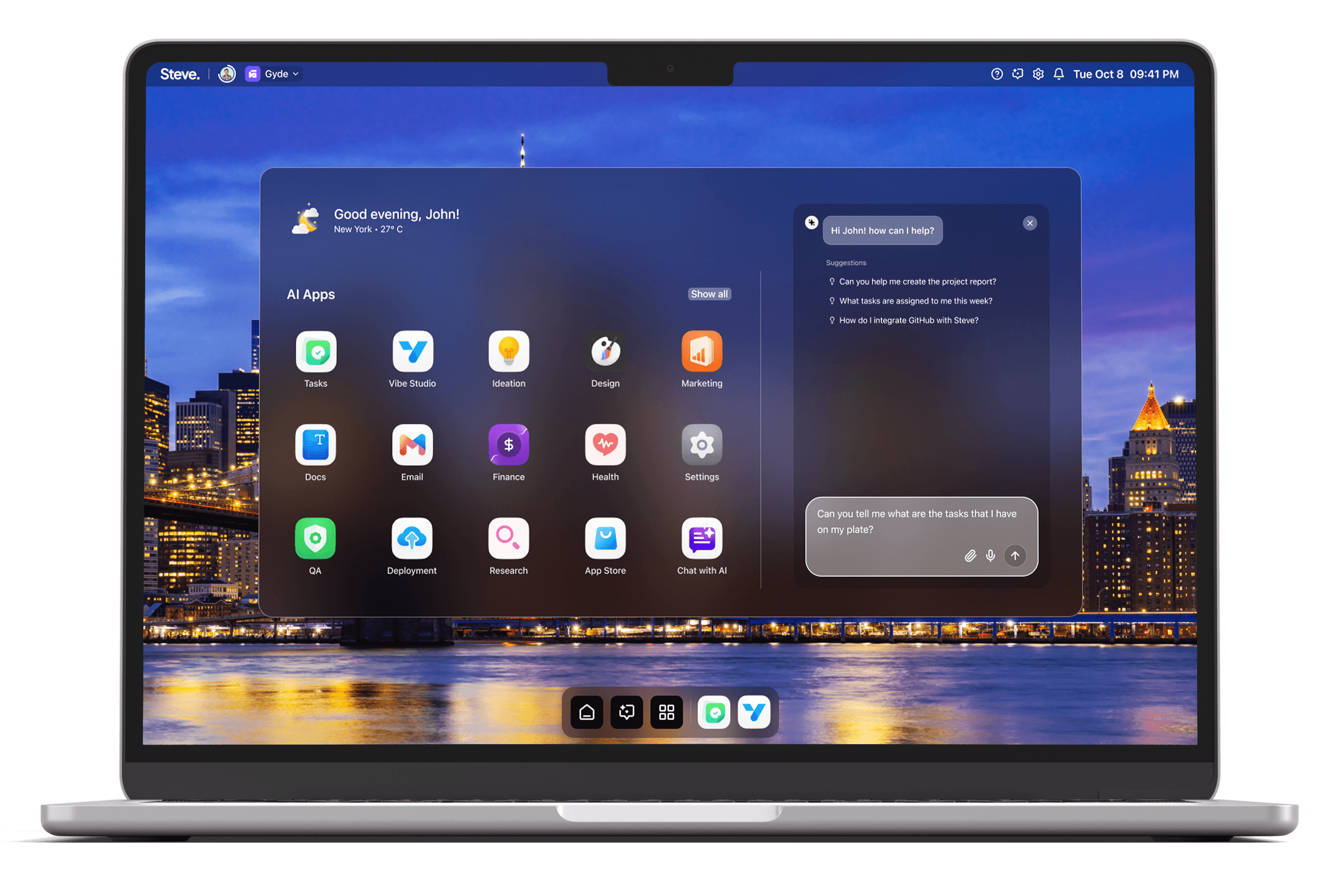
Workers and supervisors need quick ways to create, change, and confirm jobs without navigating multiple tools. Steve’s conversational interface lets users open and update production jobs via natural language, so a planner can say, “Schedule a priority run for line 2 at 10:00 with parts A and B,” and receive an immediate, context-aware confirmation. Because the interface supports file uploads and calendar integrations, users can attach work orders, reference drawings, or availability windows directly in the conversation, turning a chat into a runnable directive. In practice, this reduces friction for frontline adjustments: spoken or typed requests become traceable actions rather than informal radio calls that get lost.
Persistent Context With Shared Memory
Manufacturing coordination relies on history: previous job attempts, exceptions, supplier notes, and machine maintenance records. Steve’s shared memory system preserves conversational context and agent signals so teams don’t repeat status checks or re-upload the same documents. When an operator queries “Why was job 457 delayed?”, Steve can surface the relevant conversation thread, attached inspection images, and prior exception notes held in memory, enabling faster root-cause discussion. Persistent context also lets AI agents collaborate: one agent can monitor machine telemetry while another manages parts reservations, and their shared memory keeps both informed when a single conversational command changes priorities.
Task Management And Execution Tracking
Assigning and tracking work must be tight to meet takt time and delivery windows. Steve’s AI-driven task management boards translate conversational intent into structured tasks that reflect priority, dependencies, and ownership. A planner can convert a chat thread into a sprint of production tasks or tag jobs for expedited handling, and Steve proposes execution plans based on current workload and constraints kept in memory. Teams gain visibility as the system synchronizes status updates into the task board: when an operator marks a task blocked, the board surfaces the blocker, suggests mitigations drawn from past resolutions, and records the outcome for future reference. This reduces administrative lag between decision and execution, and it provides a single, context-rich workspace for planning and follow-up.
Email And External Coordination
Many manufacturing logistics interactions cross organizational boundaries—vendors, shipping carriers, and quality labs—so clear external communication matters. Steve’s integrated AI Email capability summarizes long threads, categorizes incoming messages, and drafts context-aware replies directly from the same conversational workspace used for shop-floor coordination. Instead of toggling between an inbox and a task board, supply chain coordinators can convert an email request into a job, attach the relevant order, and let Steve draft an external confirmation that matches internal constraints. Summaries shorten negotiation cycles by highlighting dates, quantities, and outstanding conditions, while draft replies preserve a consistent, traceable communication trail linked to production tasks.
Steve
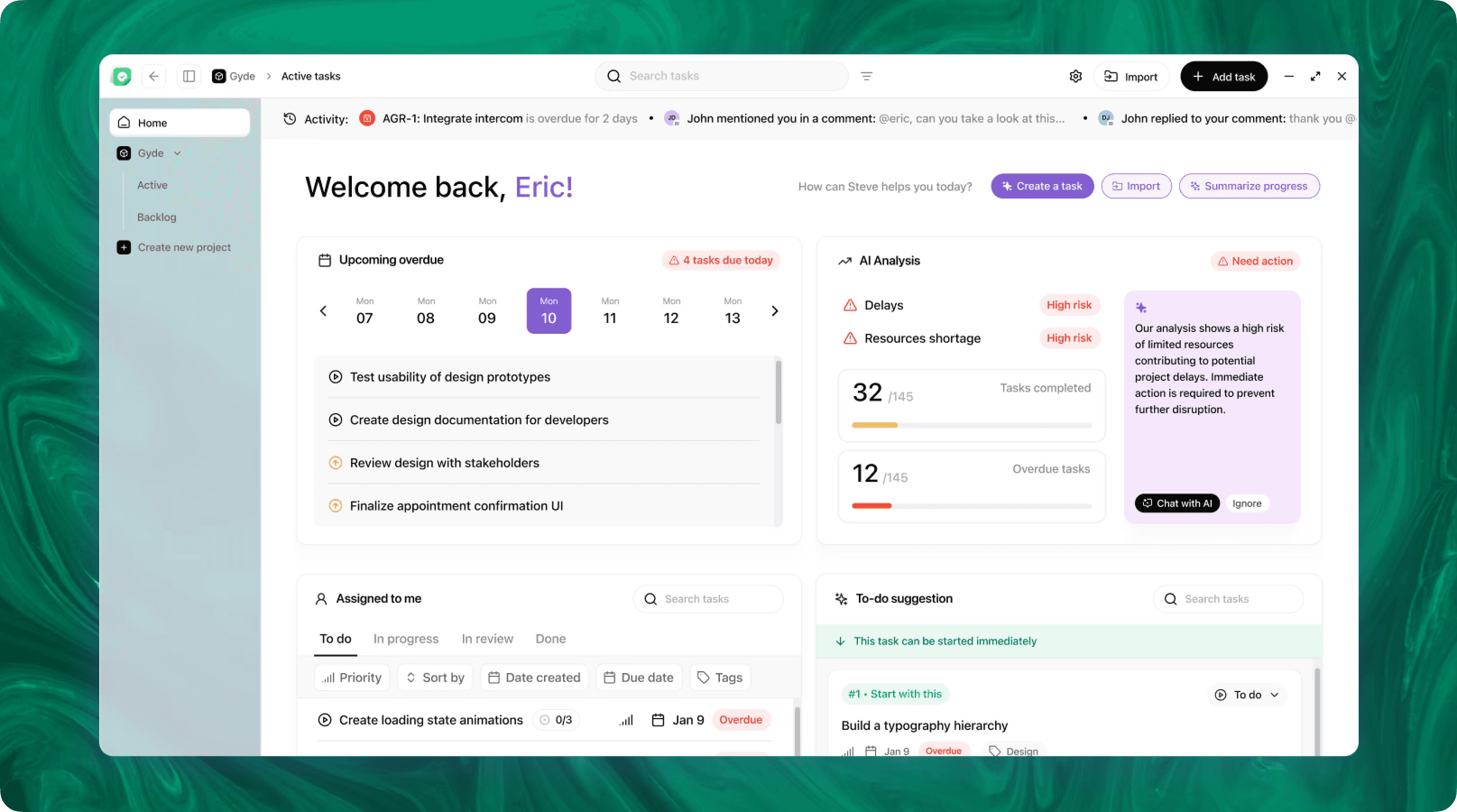
Steve is an AI-native operating system designed to streamline business operations through intelligent automation. Leveraging advanced AI agents, Steve enables users to manage tasks, generate content, and optimize workflows using natural language commands. Its proactive approach anticipates user needs, facilitating seamless collaboration across various domains, including app development, content creation, and social media management.
Conclusion
Coordinating manufacturing jobs requires timely decisions, persistent context, and clear external communication. As an AI OS, Steve combines conversational interaction, shared memory for agent collaboration, AI-driven task boards, and integrated email handling to compress those steps into a single, context-aware workflow. The result is fewer handoffs, faster resolution of exceptions, and a traceable record of who changed what and why—turning ad hoc coordination into repeatable operational practice.