Steve for E-Commerce Operations: Workflow Orchestration
Jan 23, 2026

Conversational Orchestration With Steve Chat: A single conversational prompt can create cross-system work items and schedule follow-ups by leveraging integrations like Gmail, Sheets, and Notion.
Unified Task Management and Sprint Automation: AI-powered boards ingest issues (including Linear), propose sprints, and assign owners based on workload to accelerate execution planning.
Intelligent Inbox For Customer Ops: The smart email consolidates threads, auto-summarizes context, and drafts replies that can spawn operational tasks directly from the inbox.
Shared Memory For Cross-Agent Coordination: Persistent shared memory preserves incident context so agents recall prior diagnostics and avoid redundant work during escalations.
Workflow Benefit: Coupling conversational execution, task automation, smart email, and shared memory reduces manual handoffs and shortens time-to-resolution for operational issues.
Introduction
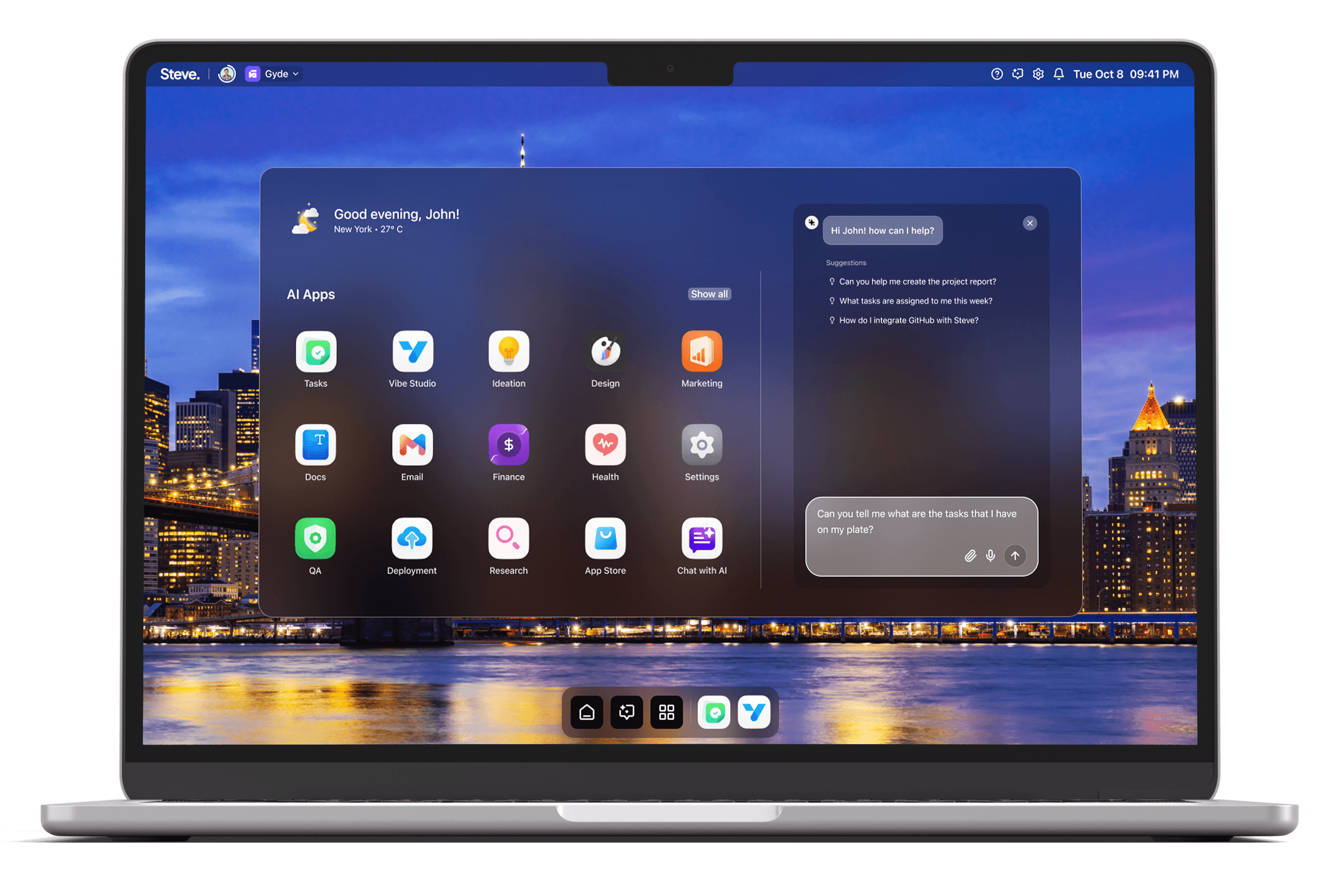
E-commerce operations depend on tightly choreographed workflows: order routing, returns processing, inventory reconciliation, customer communications, and campaign execution. Steve acts as an AI Operating System that brings conversational automation, integrated task management, intelligent email handling, and shared agent memory into a single orchestration layer—reducing manual handoffs and accelerating resolution times.
Conversational Orchestration With Steve Chat
Steve Chat provides a conversational interface that surfaces relevant data and executes operational actions across integrated services. Agents or ops leads can ask Steve to “prioritize orders flagged for late shipment and assign follow-ups to the logistics team,” and the platform composes action items, finds related tickets, and schedules calendar reminders. Because Steve connects to Gmail, Sheets, Notion, and other tools, a single prompt produces cross-system tasks rather than isolated suggestions.
Practical scenario: during a flash sale, customer support notices a spike in delivery exceptions. Using Steve Chat, a supervisor queries recent exceptions and instructs Steve to create a consolidated incident board, tag high-value customers, and draft templated email replies. The conversational flow replaces copy-paste coordination: Steve surfaces order details, suggests priority rules, and creates follow-up tasks in the same session.
Unified Task Management and Sprint Automation
Steve’s AI-powered task boards centralize operational work and automate sprint planning for recurring e-commerce workflows. The system imports issues from Linear, groups related tasks (returns, refunds, restocking), and proposes sprint slices based on urgency and team capacity. Teams receive a ready-made execution plan with owner suggestions and timelines, which they can accept or adjust in conversation.
Practical scenario: a product launch requires coordinated merchandising, fulfillment, and marketing tasks. Steve ingests briefs, breaks them into sprint-ready tasks, and maps owners using historical velocity and current workload. That eliminates manual backlog grooming across tools and keeps execution traceable from briefing to completion.
Intelligent Inbox For Customer Ops
Steve’s AI Email consolidates customer communication and operational alerts into a single, smart inbox. It tags priority threads, summarizes long exchanges, and suggests context-aware replies that reflect order history and ongoing tasks. Integrating this inbox with Steve Chat and task boards ensures that every customer thread can spawn work items or be linked to an incident without leaving the conversation.
Practical scenario: a customer submits a complex return request with multiple SKUs. Steve Email summarizes the thread, recommends refund steps based on policy context, drafts a reply, and offers to create a return authorization task tied to the warehouse team. Customer-facing replies become faster and more consistent, while back-office actions get created automatically and routed to the right queues.
Shared Memory For Cross-Agent Coordination
Steve’s shared memory system enables multiple AI agents and conversational sessions to retain and reference the same context across time. For e-commerce operations, this means agent-generated insights—like a known supplier delay or an SKU-specific quality alert—remain discoverable for future coordination, reducing repeated diagnostics and speeding escalation.
Practical scenario: a recurring inventory discrepancy at one fulfillment center is first flagged by an agent during a support chat. Steve stores the incident context in shared memory; when a subsequent ops manager queries inventory for that SKU, the agent recalls the previous alert, surfaces the prior remediation steps, and pre-populates suggested actions. That continuity prevents redundant investigation and accelerates corrective measures.
Steve
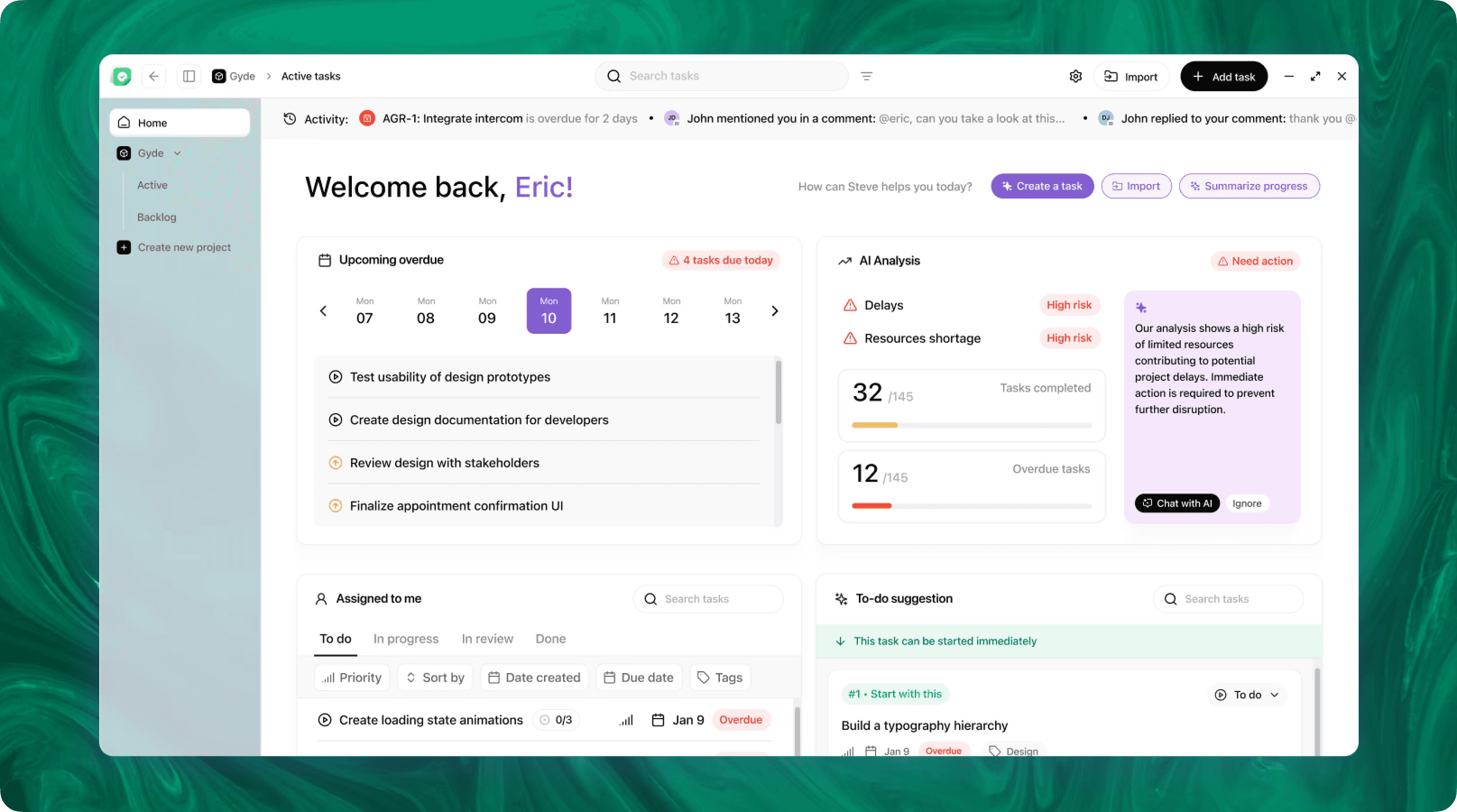
Steve is an AI-native operating system designed to streamline business operations through intelligent automation. Leveraging advanced AI agents, Steve enables users to manage tasks, generate content, and optimize workflows using natural language commands. Its proactive approach anticipates user needs, facilitating seamless collaboration across various domains, including app development, content creation, and social media management.
Conclusion
Orchestrating e-commerce operations demands context-aware coordination across people, systems, and customer touchpoints. As an AI OS, Steve combines conversational execution, integrated task management, an intelligent inbox, and shared agent memory to transform disparate signals into actionable workflows. The result is faster incident resolution, fewer manual handoffs, and predictable sprint-driven execution—letting e-commerce teams scale operations without sacrificing responsiveness.