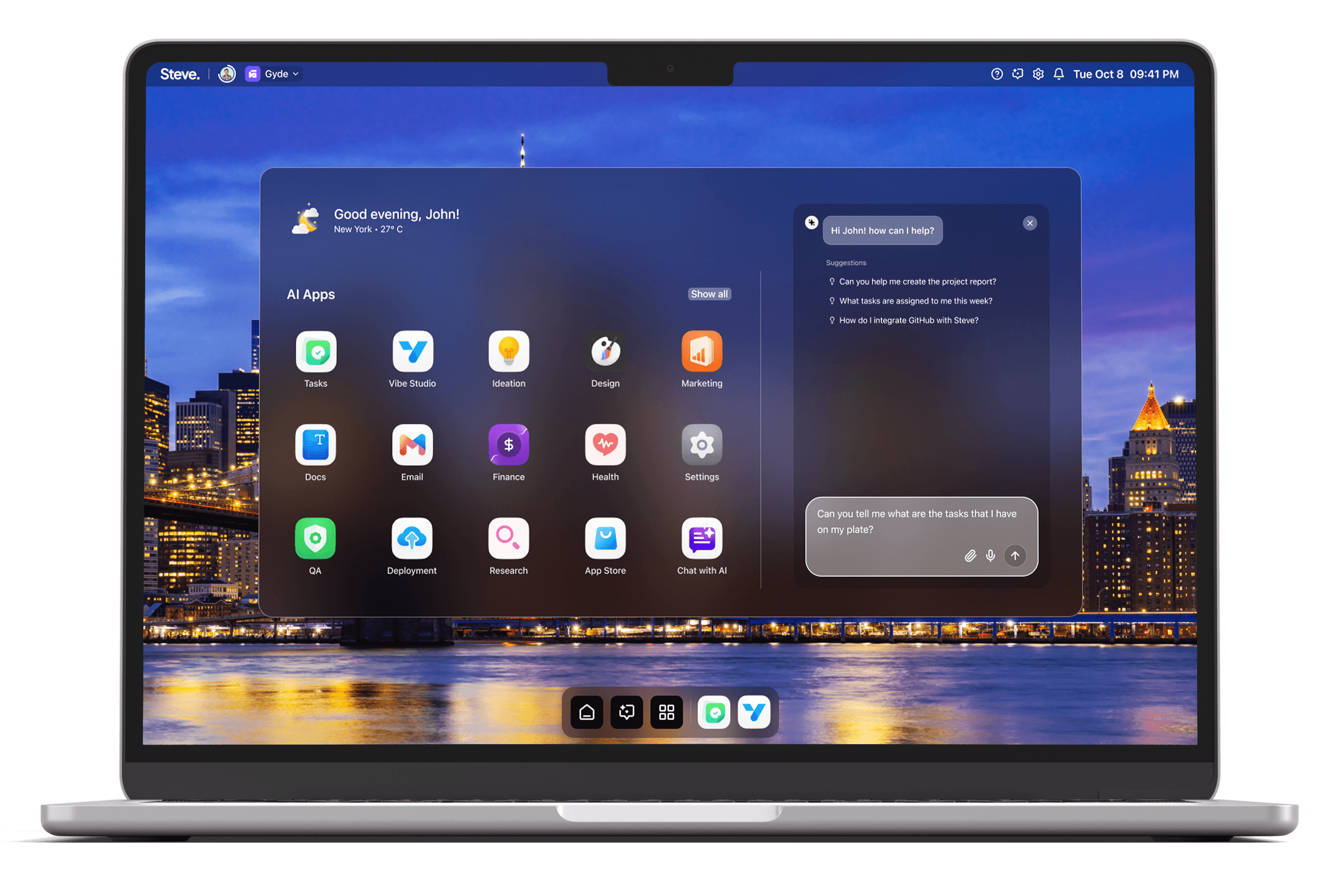
Steve for Architects: Project Notes and Revision History Automation
Dec 5, 2025

Centralized Project Memory for Architectural Context: Shared memory preserves decisions and context so notes remain accessible and actionable across the project lifecycle.
Conversational Notes and File-Aware Collaboration: File-aware Steve Chat synthesizes PDFs, spreadsheets, and images into structured notes that link back to source artifacts.
Automated Revision Histories and Change Logs: Chat logs plus task-driven entries produce consistent, auditable revision histories tied to owners and artifacts.
Notifications, Summaries, and Governance: AI Email drafts and summarizes threads to notify stakeholders precisely and enforce decision accountability.
Workflow Integration: Combining shared memory, conversational capture, and task management creates a traceable loop from prompt to implementation without manual overhead.
Introduction
Architectural projects generate dense, interdependent information: meeting notes, specifications, drawings, RFIs, and iterative decisions that must remain accessible and auditable. Steve is an AI Operating System (AI OS) purpose-built to keep that context alive, turning conversational inputs and uploaded documents into structured project notes and maintainable revision histories. For architecture teams, that means fewer lost decisions, faster alignment across disciplines, and a single source of actionable project truth.
Centralized Project Memory for Architectural Context
Steve’s shared memory system lets agents retain and reference the same project context over time so notes and revisions don’t live in personal inboxes or scattered folders. When an architect summarizes a coordination meeting or records a decision on material selection, that entry becomes retrievable context for later queries. Practical scenario: before a client review the lead architect asks Steve to summarize past façade decisions; because agents share memory, Steve surfaces the original constraint, who approved it, and related tasks—keeping the review grounded in prior context rather than fragmented recollections.
Conversational Notes and File-Aware Collaboration
Steve Chat provides a conversational surface that reads documents, remembers project details, and connects to common data sources so architects can create and refine notes without context switching. Upload a specifications PDF, a spreadsheet of room finishes, or photos from a site visit; Steve’s file-aware chat synthesizes those inputs into structured meeting minutes, action items, or a decision log. Integrations with Drive, Notion, and other systems mean the synthesized notes can be linked back to source files or pushed into your documentation environment. In practice, a project manager can ask Steve to draft a concise email summary of the coordination meeting—Steve drafts it, including links to the referenced files, and the team refines it conversationally before distribution.
Automated Revision Histories and Change Logs
Instead of relying on manual logs, architects can use Steve to generate consistent revision histories from conversational inputs and task updates. Steve’s chat logging provides an auditable trail of who said what and when, while Task Management boards turn decisions into tracked items. For example, after a reviewer requests a window detail change, an architect can tell Steve to record the change; Steve creates a task, links the updated drawing, and appends an entry to the project revision history. When the team wants a snapshot of all changes between milestones, Steve compiles a chronological change log from shared memory, chat records, and active tasks—presenting a readable audit that maps decisions to artifacts and responsible owners.
Notifications, Summaries, and Governance
Steve’s AI Email and task automation reduce noise while improving governance: it summarizes long threads, tags critical items, and drafts context-aware notifications so stakeholders receive precise briefings instead of raw threads. A weekly governance workflow could have Steve compile pending approvals, unresolved RFIs, and recent revisions into a single summary and propose a prioritized sprint to resolve issues; the team then approves the sprint and Steve updates the task board. That loop preserves accountability and ensures every revision is traceable from prompt to implementation without adding administrative overhead.
Steve
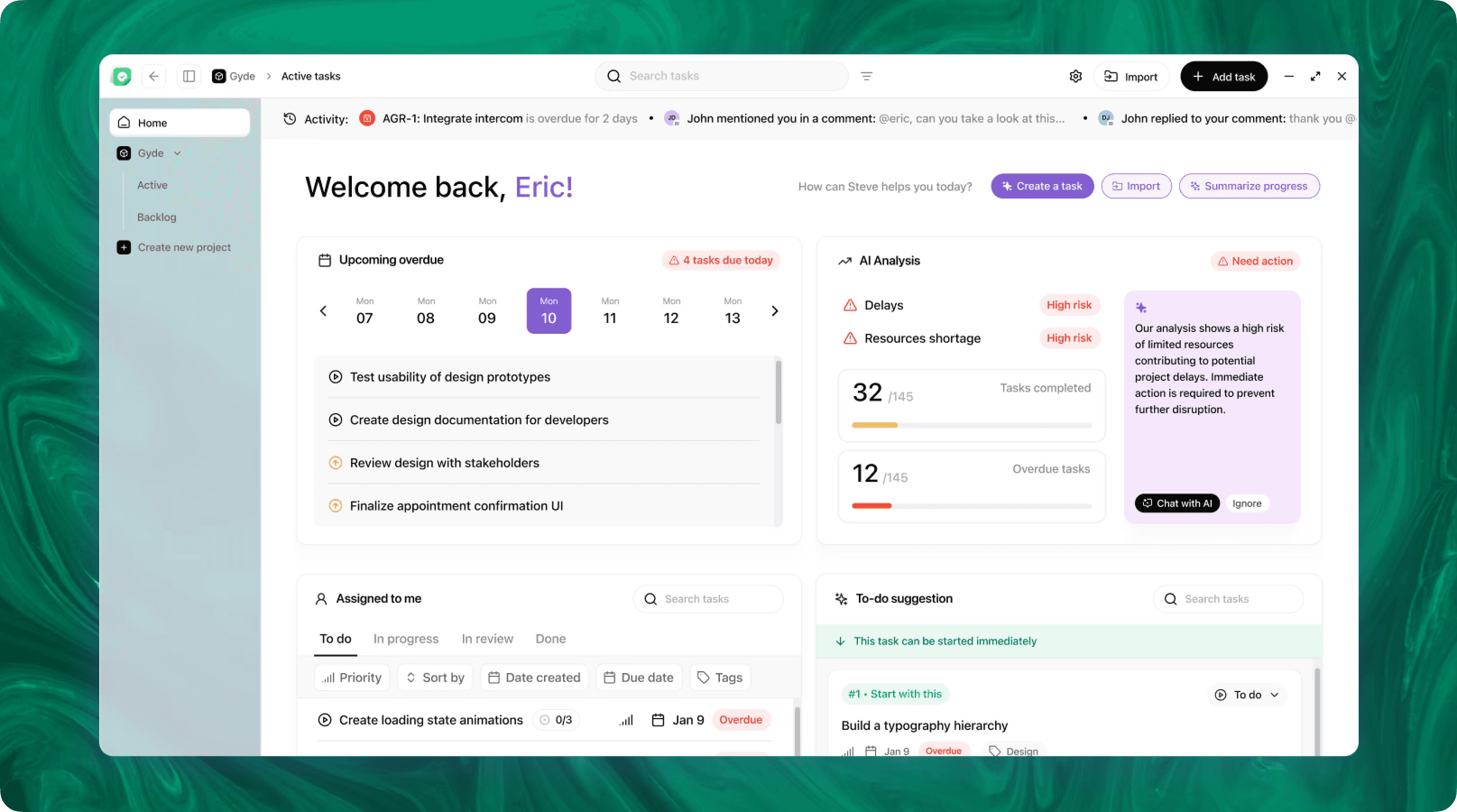
Steve is an AI-native operating system designed to streamline business operations through intelligent automation. Leveraging advanced AI agents, Steve enables users to manage tasks, generate content, and optimize workflows using natural language commands. Its proactive approach anticipates user needs, facilitating seamless collaboration across various domains, including app development, content creation, and social media management.
Conclusion
For architecture teams, effective project notes and revision history are not administrative luxuries—they are the backbone of coordination, compliance, and quality. As an AI Operating System, Steve streamlines that backbone by combining shared memory, conversational file-aware chat, task-driven tracking, and contextual email summaries. The result is a consistent, auditable record of decisions and revisions that reduces rework, speeds approvals, and keeps multidisciplinary teams aligned on a single project truth.