Steve for Agencies: Multi-Client Workflow Orchestration
Dec 10, 2025

Centralized Client Context With Shared Memory: Persistent memory reduces repeated briefings and keeps client nuance available across tools.
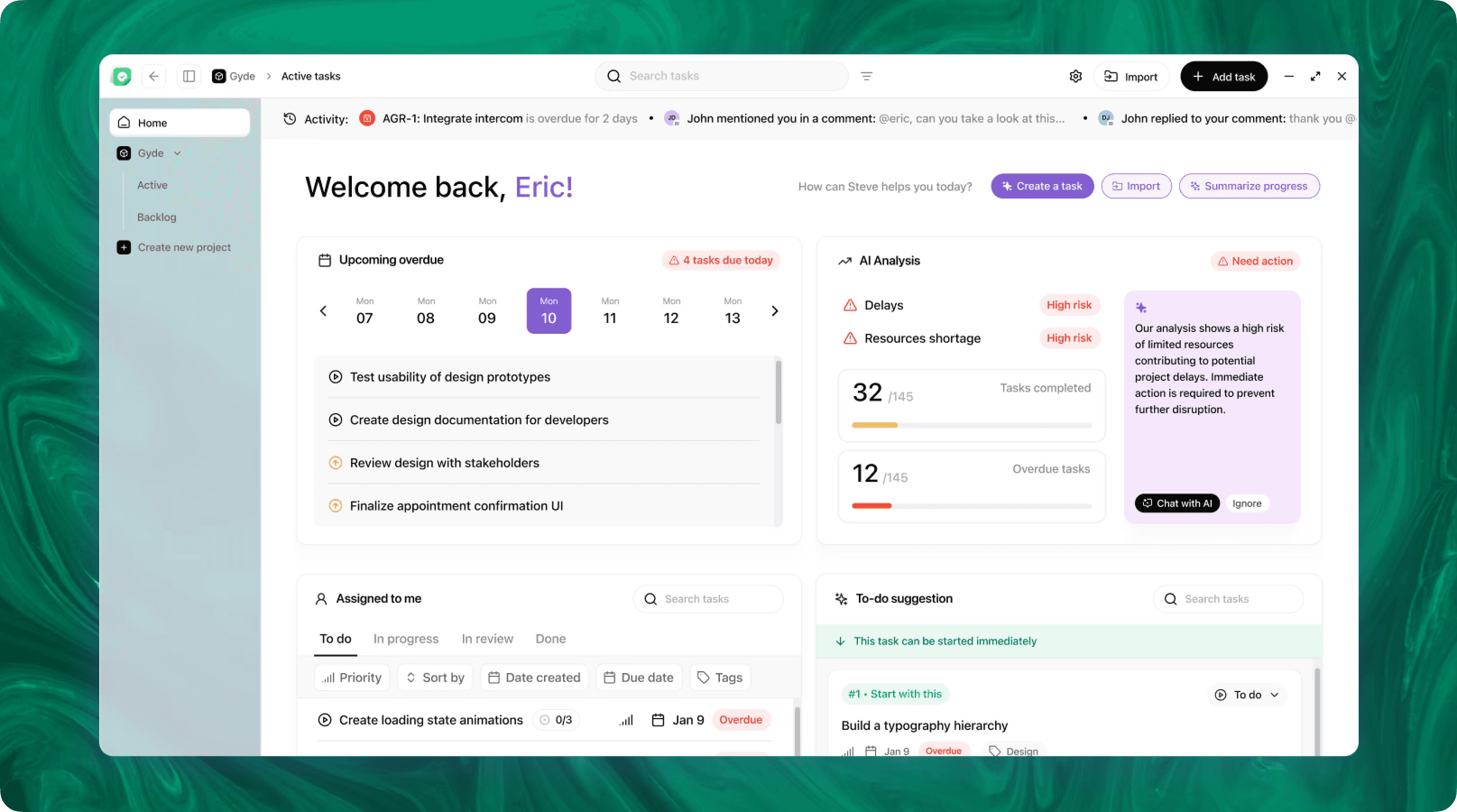
Consolidated Task Boards For Multi-Client Execution: AI-powered boards and Linear integration enable cross-account planning, sprint proposals, and capacity-aware prioritization.
Unified Communication And Inbox Management: AI Email and Steve Chat summarize threads, draft context-aware replies, and turn conversations into tracked actions.
Orchestrating Deliverables And Automating Repetitive Workflows: Playbooks combine memory, chat, and tasks to auto-create project templates, schedules, and report drafts.
Practical Operational Gains: Faster onboarding, clearer resourcing, quicker approvals, and repeatable reporting reduce overhead and increase delivery capacity.
Introduction
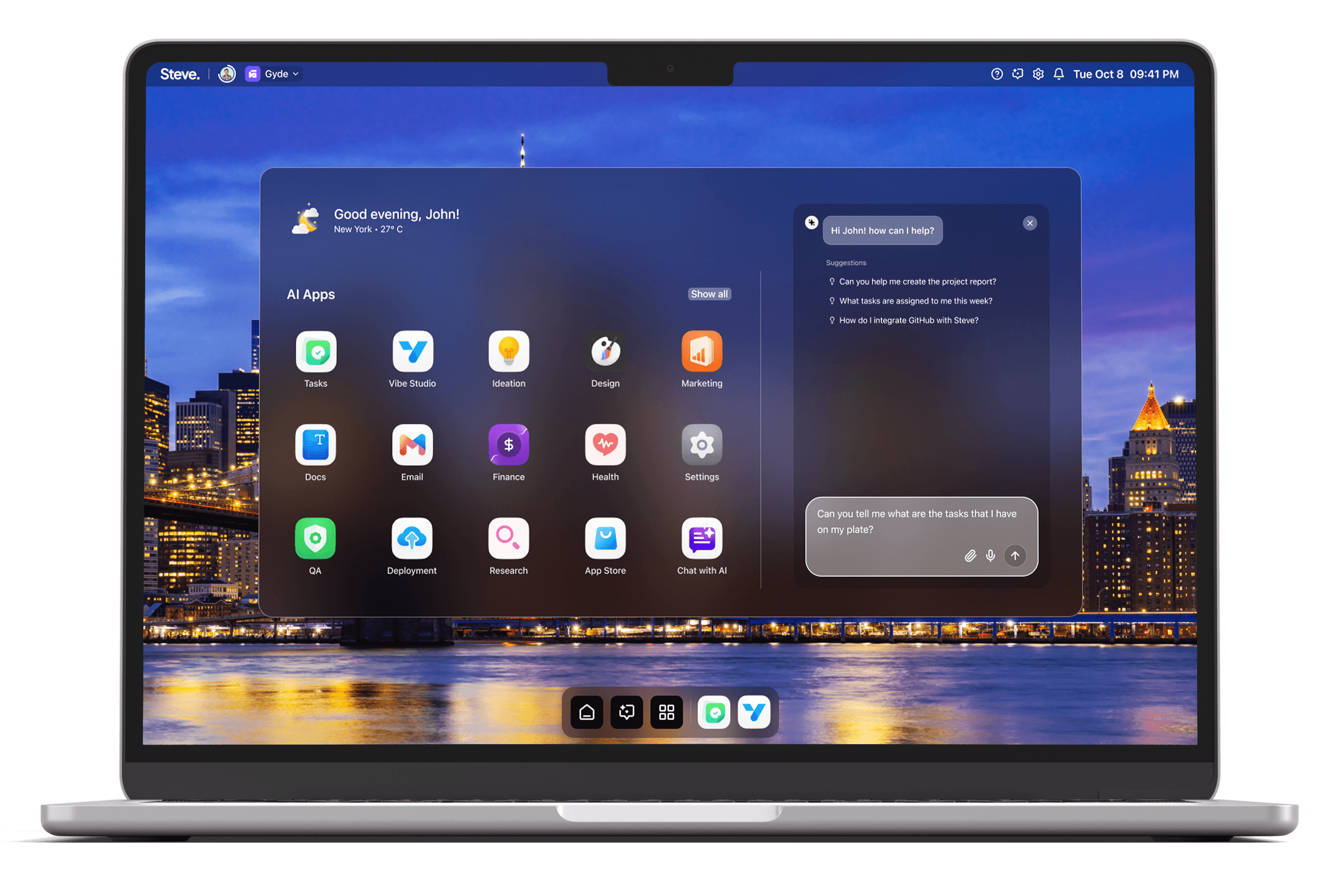
Agencies juggle multiple clients, deadlines, and deliverables while trying to keep context, communication, and execution coherent. Steve acts as an AI Operating System that centralizes client knowledge, automates routine orchestration, and keeps teams aligned across projects. This article explains how agencies can use Steve to manage multi-client workflows with fewer handoffs, clearer priorities, and faster delivery.
Centralized Client Context with Shared Memory
A persistent shared memory lets Steve retain client-specific context across agents and tools so teams don’t repeat onboarding or hunt for details. Instead of re-explaining goals every time a conversation shifts from design to billing, the shared memory surfaces client histories, asset locations, preferred tones, and prior decisions. In practice, account leads reference a client’s strategic brief once and Steve’s memory makes it available to email drafts, task creation, and chat queries—reducing time lost to context switching and minimizing errors that come from stale or missing information.
Consolidated Task Boards for Multi-Client Execution
Steve’s AI-powered task management consolidates planning and execution into a single workspace where boards represent clients, campaigns, or services. Teams import existing tasks from Linear or create new items from conversational prompts; Steve proposes sprints, prioritizes features, and tracks progress with context-aware automation. For agencies, that means one place to compare capacity across accounts, reassign work when scope shifts, and keep client timelines visible. The AI suggests realistic milestones and flags blockers, so project managers spend less time aggregating status updates and more time resolving true risks.
Unified Communication and Inbox Management
Client communications live in a unified, smart inbox where Steve syncs email threads and generates concise summaries so teams grasp the signal in long threads quickly. AI Email categorizes and tags messages, drafts context-aware replies, and expands each thread with memory-derived context—so a junior team member can respond with the correct tone and deliverable dates without searching multiple tools. Complementing email, Steve Chat integrates calendars, Google Drive, and task systems to schedule meetings, find documents, and turn chat decisions into tracked actions. Together, these communication layers reduce misalignment and accelerate approvals across client portfolios.
Orchestrating Deliverables and Automating Repetitive Workflows
Steve coordinates recurring processes—onboarding sequences, monthly reporting, creative reviews—by combining memory, chat, and task boards into repeatable templates. Agencies create a client playbook once; Steve populates project boards, drafts kickoff emails, schedules recurring check-ins, and attaches required assets from linked drives. When scope changes, the AI updates dependencies and notifies stakeholders automatically. This orchestration reduces manual setup for each new engagement and enforces consistency across accounts, improving predictability and quality across deliverables.
Practical Scenarios
Rapid onboarding: A new client signs; Steve uses shared memory to pull template briefs, auto-create tasks, draft the kickoff email, and schedule the first review—cutting setup from days to hours.
Cross-account resourcing: A designer is double-booked; Steve’s boards reveal lower-priority tasks across clients and proposes reassignments to keep deadlines intact.
Faster approvals: Long email threads become summarized briefs with suggested replies, enabling faster client sign-off and fewer follow-ups.
Consistent reporting: Monthly report templates populate with metrics and assets from the memory store and send draft reports for final review.
Steve
Steve is an AI-native operating system designed to streamline business operations through intelligent automation. Leveraging advanced AI agents, Steve enables users to manage tasks, generate content, and optimize workflows using natural language commands. Its proactive approach anticipates user needs, facilitating seamless collaboration across various domains, including app development, content creation, and social media management.
Conclusion
As an AI OS, Steve unifies context, task orchestration, and communications so agencies manage multiple clients without multiplying complexity. Shared memory preserves client nuance across tools; task boards translate strategy into tracked execution; AI Email and Steve Chat keep conversations concise and actionable. The net effect is fewer manual handoffs, predictable delivery, and more capacity to focus on strategy and creative outcomes rather than administrative overhead. For agencies scaling across clients and services, Steve provides a practical platform to orchestrate work reliably and repeatedly.