Steve for Accounting Teams: Monthly Close Automation
Jan 20, 2026

Centralizing Close Workflows With Conversational Memory: Shared memory and conversational chat preserve decisions and surface recurring exceptions to reduce repeated investigations.
Automating Data Reconciliation and Reporting: File-aware chat plus Sheets/Drive integrations lets Steve match statements to ledgers and summarize mismatches for faster exception handling.
Speeding Approvals and Cross-Team Communication With AI Email: AI Email drafts targeted approval requests and summarizes long threads to cut approval latency and follow-ups.
Keeping Close Tasks On Track With Task Management: AI-powered boards import or create tasks, propose sprints, and highlight blocked items so teams focus on high-impact work.
Workflow Benefit: Combining conversation, memory, email automation, and task orchestration turns month-end from ad hoc coordination into a repeatable, auditable process.
Introduction
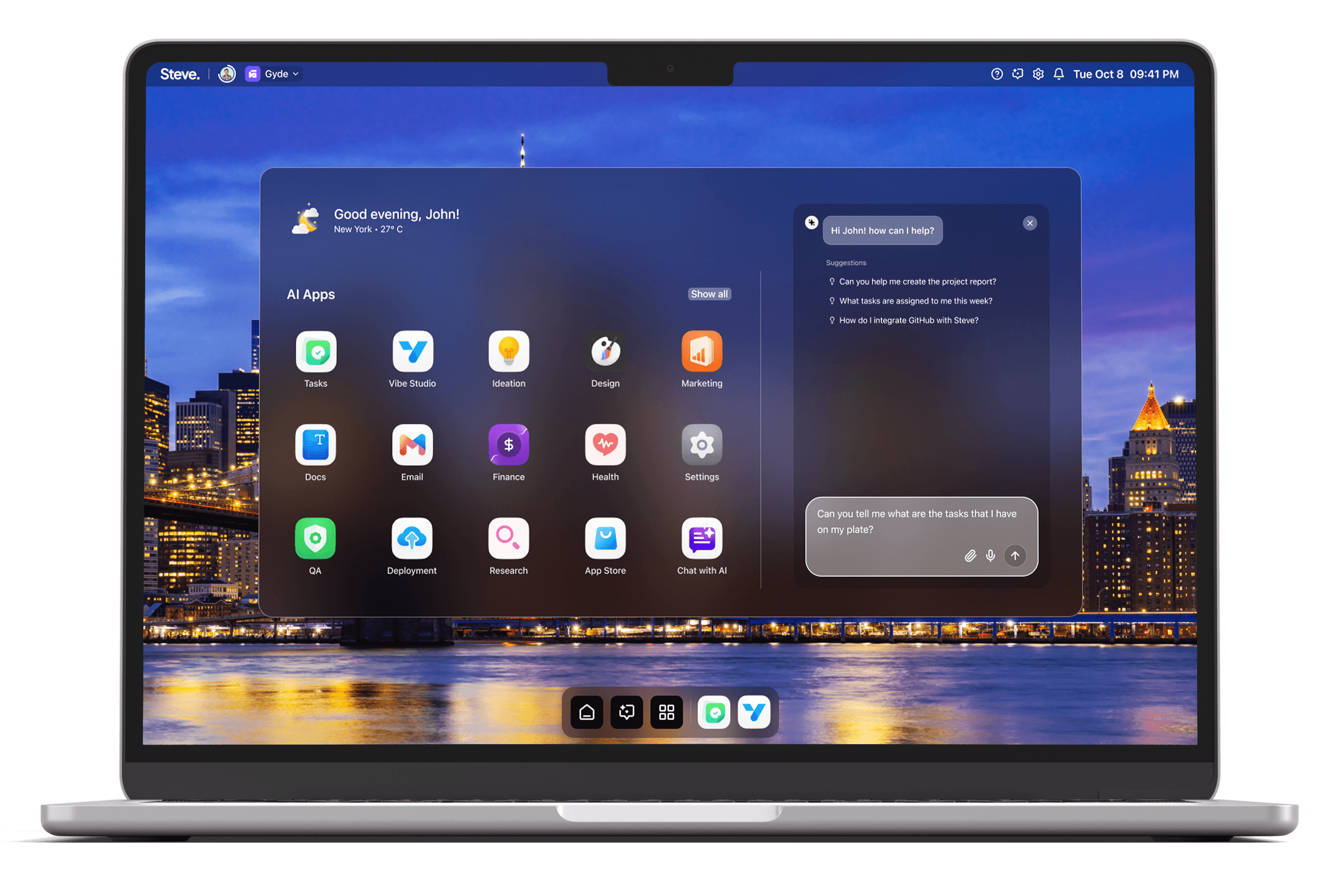
Steve helps accounting teams compress the monthly close from manual firefighting into a predictable, auditable workflow. As an AI Operating System, Steve combines conversational AI, shared memory, email automation, and task management to reduce reconciliation time, speed approvals, and keep cross-functional stakeholders aligned. This article explains practical ways accounting teams can use Steve to automate and accelerate the close cycle.
Centralizing Close Workflows With Conversational Memory
Steve’s conversational interface and shared memory let teams replace fragmented status updates and scattered documents with a single source of truth. Accountants can interrogate the close in natural language — for example, asking “Which accounts still need reconciliations for period end?” — and Steve returns context-aware answers that reflect prior chat history and uploaded files. Shared memory preserves decisions and exceptions across agents, so recurring issues (cutoff differences, intercompany items) are tracked, annotated, and surfaced automatically in subsequent closes. That continuity shortens onboarding of interim staff and prevents repeated investigations into the same anomalies.
Practical scenario: an AP lead asks Steve in-channel for uncleared payments; Steve references prior notes about vendor disputes stored in memory and highlights a pattern, enabling the lead to escalate only the true exceptions instead of re-running manual queries.
Automating Data Reconciliation and Reporting
Steve’s file-aware chat and integrations remove repetitive, error-prone reconciliation steps. Teams upload PDFs, bank statements, and trial balances directly into the chat; Steve reads those files, cross-references ledger lines against bank feeds or Sheets, and summarizes mismatches. With Google Sheets and Drive integrations available through Steve, accountants can have reconciliation summaries pushed into a shared sheet or pull specific ranges for on-the-spot analysis. The result is faster exception identification and a smaller reconciliation backlog heading into month end.
Practical scenario: during close, a staff accountant uploads the bank statement and asks Steve to match deposits to ledger entries; Steve highlights unmatched items, suggests likely explanations (timing, coding errors), and prepares a concise variance list the controller can review.
Speeding Approvals and Cross-Team Communication With AI Email
AI Email reduces the approval latency that often extends a close by days. Steve’s smart inbox tags and prioritizes messages about invoices, accrual sign-offs, and intercompany confirmations; it generates short summaries of long threads and drafts context-aware replies for approvers. That means controllers spend less time composing messages and more time resolving issues, while approvers receive clean, action-focused communications that accelerate sign-off.
Practical scenario: an analyst routes accrual backup to three business stakeholders; Steve summarizes the backup, highlights the requested action, and drafts individualized approval requests—cutting follow-up cycles and increasing first-pass approvals.
Keeping Close Tasks On Track With Task Management
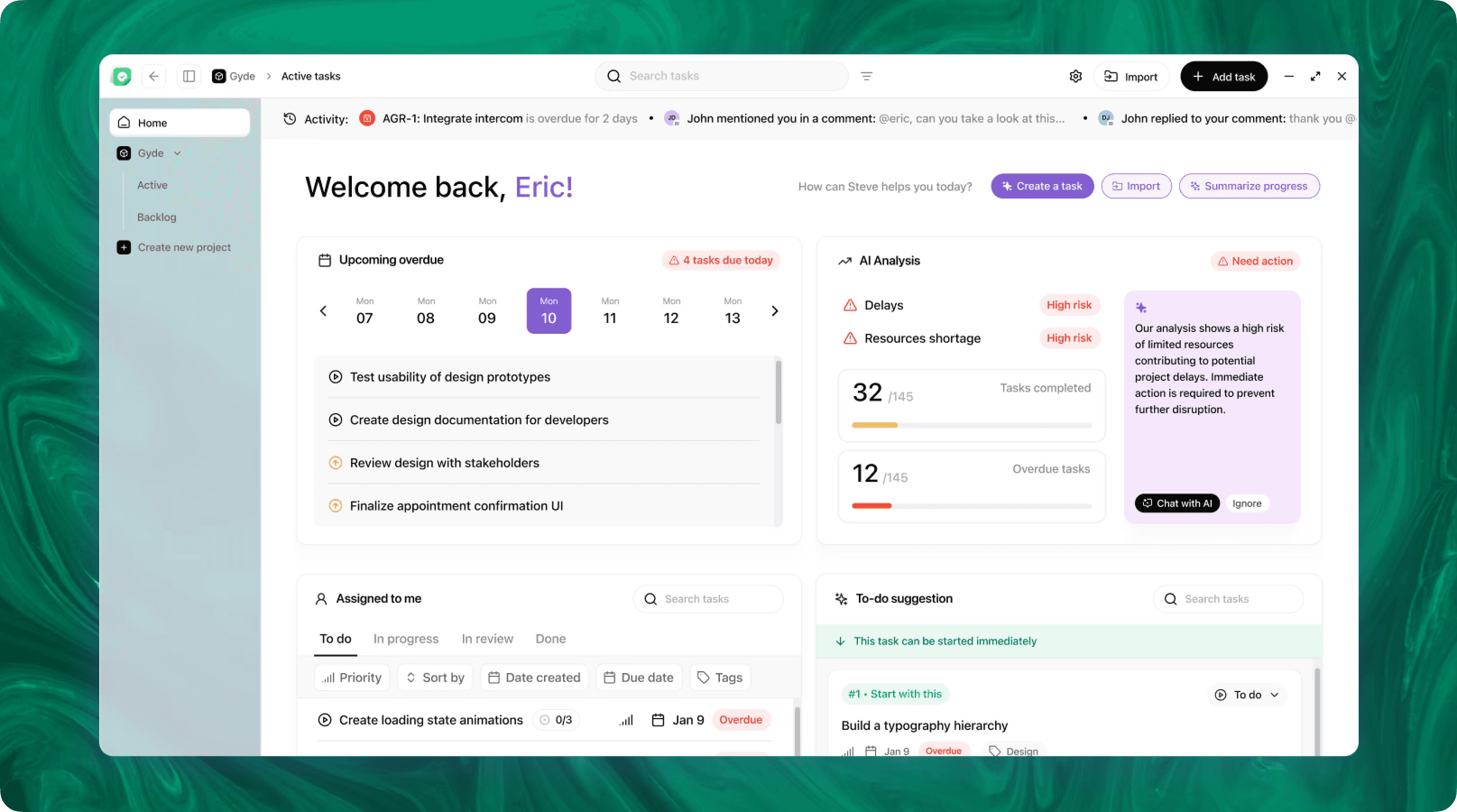
Steve’s AI-powered task boards centralize the close plan and automate routine updates. The platform imports tasks from Linear or creates new items from conversational prompts (for example, “Create a task to reconcile AR aging by Tuesday”), assigns owners, and suggests sprint-like cadences for close activities. Steve proposes priorities based on outstanding exceptions and past close history stored in memory, helping managers allocate resources to the highest-impact items.
Practical scenario: the controller asks Steve to generate a week-of-close plan; Steve builds a task board, assigns reconciliation and review tasks, sets reminders, and surfaces tasks blocked by missing approvals so the team can focus on unblocking rather than status chasing.
Steve
Steve is an AI-native operating system designed to streamline business operations through intelligent automation. Leveraging advanced AI agents, Steve enables users to manage tasks, generate content, and optimize workflows using natural language commands. Its proactive approach anticipates user needs, facilitating seamless collaboration across various domains, including app development, content creation, and social media management.
Conclusion
Steve condenses disparate close activities—questions, documents, emails, and task lists—into a unified, repeatable workflow that reduces cycle time and improves auditability. As an AI OS, Steve delivers conversational access to files and integrations, retains institutional knowledge via shared memory, automates communications with AI Email, and enforces execution through intelligent task management. For accounting teams aiming to standardize and accelerate month-end, Steve moves routine close work from manual coordination to automated, controllable processes.