Reducing Tool Fatigue With A Single Conversational Surface
Nov 4, 2026

Consolidating Context With Conversational Integration: A single conversational surface lets users retrieve messages, files, and actions without switching apps, preserving focus.
Shared Memory That Keeps Conversations Coherent: Persistent memory stores project context and preferences so follow-up conversations are faster and require less repetition.
Replacing Tab Switching With Embedded Email Workflows: Embedding AI Email in the conversation delivers summaries and draft replies inline, cutting the time spent toggling inboxes.
Turning Conversations Into Work With Task Automation: Direct task creation and updates from chat convert decisions into assigned work without manual handoffs.
Introduction
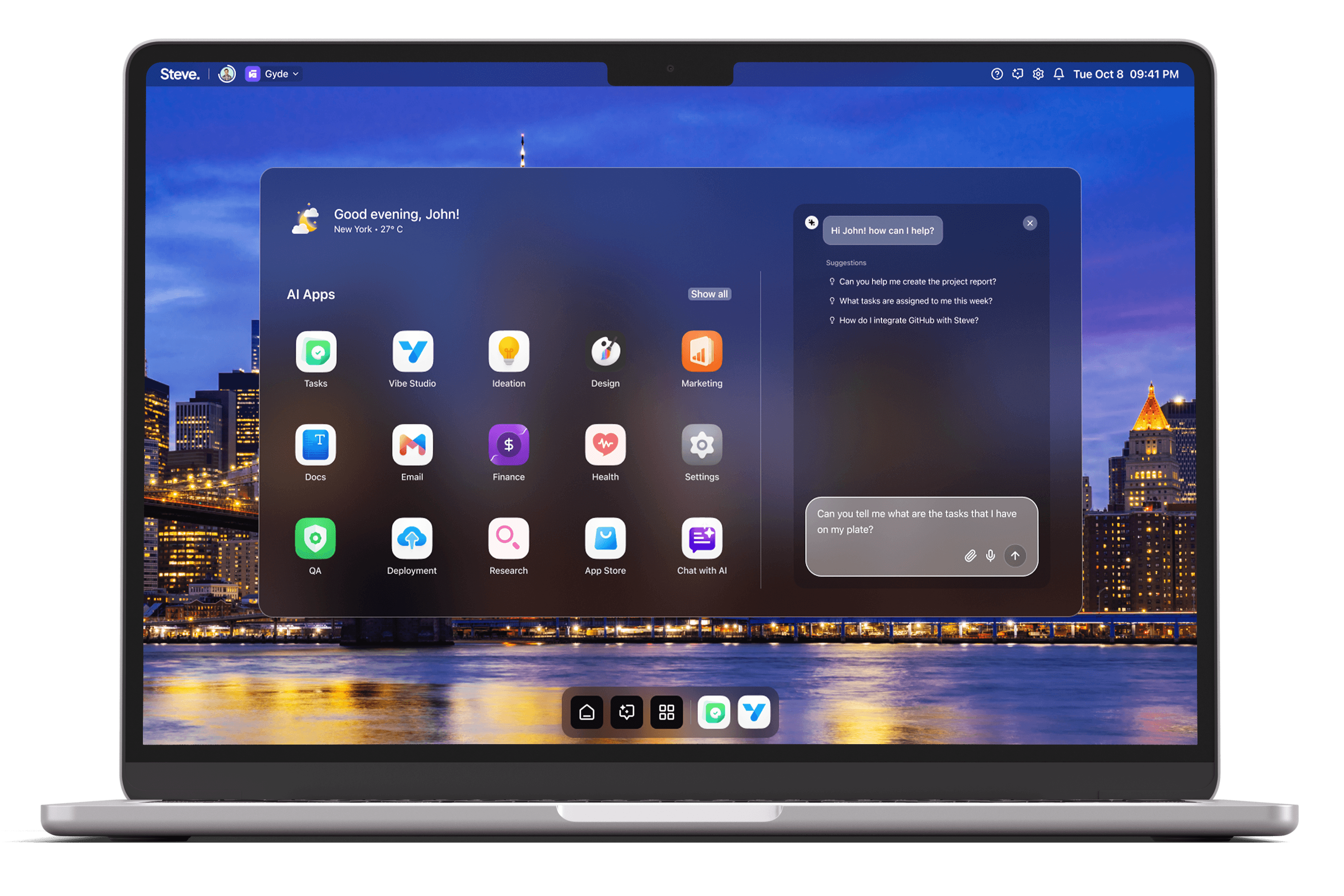
Tool fatigue fragments attention, increases context switching costs, and slows decision-making. Reducing Tool Fatigue With A Single Conversational Surface reframes work around one persistent interaction point that both humans and AI use to manage tasks, messages, and knowledge. As an AI Operating System, Steve centers workflows on a single conversational surface that connects email, chat, memory, and task management so teams stop hopping between apps and start finishing work.
Consolidating Context With Conversational Integration
A single conversational surface reduces tool fatigue by making context portable: instead of switching to a different app to find a message, a file, or a calendar event, users query the conversational interface and receive actionable results. Steve’s chat interface supports deep integrations and file-aware interactions, so a single query can surface an email thread, a spreadsheet excerpt, or a relevant document without app-hopping. In practice, a product lead can ask the conversation, “Show the latest customer feedback on feature X and create three follow-up tasks,” and receive a summarized thread plus task suggestions in the same place. That continuity eliminates repeated context rebuilding and preserves cognitive bandwidth for decision-making.
Shared Memory That Keeps Conversations Coherent
Persistent memory is the backbone of a single conversational surface because it captures state and relationships across interactions, reducing repetitive explanations. Steve’s shared memory system lets AI agents record user preferences, project context, and ongoing decisions so subsequent conversations are richer and faster. For example, when a marketing manager references “the Q4 campaign” in chat, Steve already knows the campaign constraints, stakeholder list, and previous drafts, enabling the assistant to propose next steps without reloading files or reading full threads. This memory-driven continuity shortens interaction loops and prevents users from re-entering context, a leading cause of fatigue.
Replacing Tab Switching With Embedded Email Workflows
Email is a major source of tool fatigue because it often requires leaving a workspace to triage, summarize, and respond. Embedding email into the conversational surface removes that friction: Steve’s integrated AI Email appears inside the same dialogue, provides threaded summaries, and suggests context-aware replies so users can act immediately. Consider a manager who receives a long vendor negotiation thread: instead of opening a separate inbox, they ask Steve to summarize the stakes, highlight action items, and draft a reply aligned with recent product decisions stored in memory. Because the summary, suggested reply, and follow-up tasks live in one conversational surface, the manager spends minutes instead of an hour reconciling scattered information.
Turning Conversations Into Work With Task Automation
A conversational surface becomes a workspace when it translates chat into concrete work items. Steve’s Task Management integration enables the assistant to create, assign, and update tasks directly from conversation, eliminating the manual handoff between talk and execution. In a practical scenario, a cross-functional sync ends with three action items; a single command to Steve converts each action into a task, assigns owners, and schedules reminders without opening a separate project board. That seamless handoff reduces the cognitive burden of tracking commitments across multiple tools and keeps progress visible in one place.
Practical Benefits And Adoption Patterns
Teams adopting a single conversational surface see consistent reductions in time lost to context switching and fewer overlooked items because state is centralized and agents act contextually. Early adopters report faster onboarding: new team members interact with the conversational surface to retrieve project history and decisions saved in shared memory, rather than parsing dozens of unrelated apps. Power users gain efficiency by chaining commands—summarize, create tasks, and schedule a review—within one interaction. For organizations, the result is predictable: fewer idle tabs, faster execution, and clearer ownership.
Steve
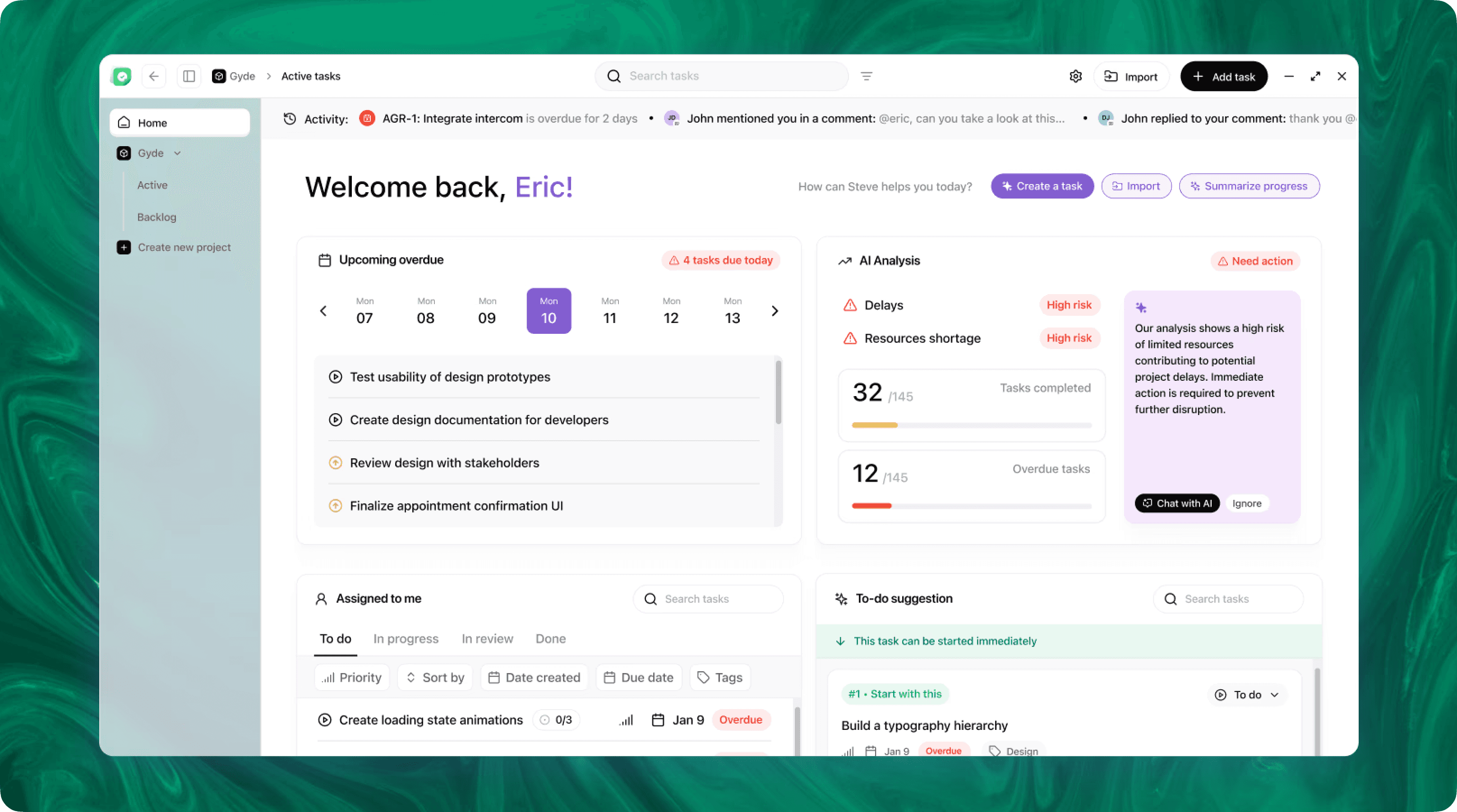
Steve is an AI-native operating system designed to streamline business operations through intelligent automation. Leveraging advanced AI agents, Steve enables users to manage tasks, generate content, and optimize workflows using natural language commands. Its proactive approach anticipates user needs, facilitating seamless collaboration across various domains, including app development, content creation, and social media management.
Conclusion
Reducing Tool Fatigue With A Single Conversational Surface is about collapsing fragmentation into a sustained, context-rich dialog that both people and AI can use to coordinate work. As an AI OS, Steve combines a robust conversational interface, integrated AI Email, shared memory for coherent context, and task automation to convert talk into action without switching tools. The consequence is lower friction, preserved focus, and faster delivery—work organized around conversation instead of apps.