Reducing Decision Latency Through Real-Time AI Insights
Dec 2, 2025

Shared Memory Enables Continuous Context: Persistent memory prevents repetitive context-building and speeds up high-quality responses.
AI Email Compresses Intake: Real-time sync, tagging, and concise summaries let decision-makers focus on actions rather than raw threads.
Conversational Synthesis With Steve Chat: File-aware chat plus real-time searches produce targeted recommendations and clear next steps.
Task Management Closes The Loop: Automatic ticket creation and sprint suggestions turn decisions into accountable work without manual handoffs.
End-to-End Reduction In Latency: Combining context, prioritized signals, conversational synthesis, and automated execution shortens time from question to committed action.
Introduction
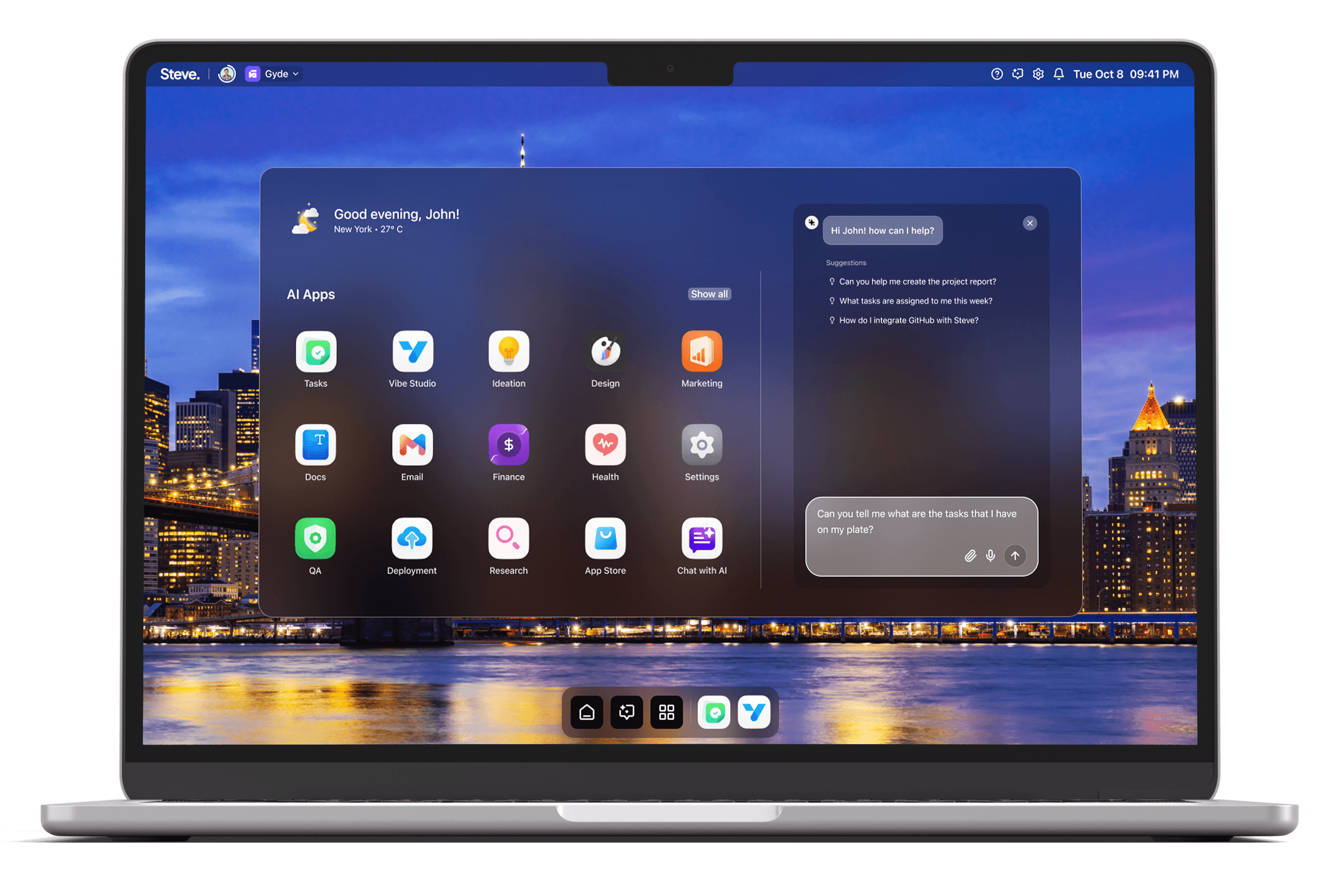
Decision latency—the time between encountering a question and taking an action—erodes outcomes in fast-moving businesses. Reducing that latency requires continuous context, prioritized signals, and frictionless handoffs from insight to execution. As an AI Operating System, Steve shortens decision cycles by combining a shared memory for agents, a real-time AI chat assistant, an AI-powered inbox, and integrated task management so teams get timely, contextual recommendations and act on them immediately.
Shared Memory For Persistent Context
A persistent shared memory lets Steve’s agents retain and surface relevant context across interactions so teams don’t re-state facts or hunt for background. That memory stores prior conversations, document context, and agent outputs so the next query begins with situational awareness rather than an empty slate. In practice, a product lead can ask Steve for a risk assessment of an upcoming release; because agents already reference the project’s prior decisions, dependencies, and recent bug summaries, Steve returns a focused set of risks and recommended mitigations instead of reassembling scattered information. The result: fewer clarification loops, faster consensus, and decisions made on the latest shared view of reality.
Faster Context And Prioritization Inside The Inbox
Email remains a primary decision input; Steve’s AI Email keeps it actionable by syncing in real time, categorizing messages, and surfacing concise summaries. Rather than reading long threads, stakeholders receive short, context-aware digests that highlight decisions needed, deadlines, and dependencies. For example, a customer escalation thread can be auto-tagged as high priority, summarized with the ask and proposed next steps, and presented alongside related docs—so the responsible manager decides within minutes. This compressed intake prevents decision backlogs and reduces the cognitive cost of switching between tools.
Conversational Decision Support With Steve Chat
Steve Chat provides a conversational interface that couples real-time web searches, file-aware analysis, and step-by-step reasoning to produce targeted, actionable insights on demand. Users can upload spreadsheets or documents, query them conversationally, and receive answer syntheses that include recommended next steps. In a pricing-review scenario, a finance analyst chats with Steve to combine recent sales data, competitor pricing found via real-time searches, and product notes stored in memory; Steve then delivers a short set of pricing options with trade-offs, confidence levels, and suggested owner assignments. Conversation removes menu navigation and turns deliberation into immediate, traceable guidance.
Close The Loop With Task Management
Reducing decision latency demands not only insight but rapid follow-through. Steve’s AI-powered task boards transform decisions into tracked actions by proposing tickets, assigning owners, and syncing with existing tools like Linear. After receiving a recommendation in chat or email, a product manager can instruct Steve to create a sprint ticket, attach the summary, and suggest priorities; the system proposes the sprint plan and tracks execution. This seamless handoff from insight to task eliminates the manual step of translating conclusions into commitments, so decisions convert into momentum without friction.
Steve
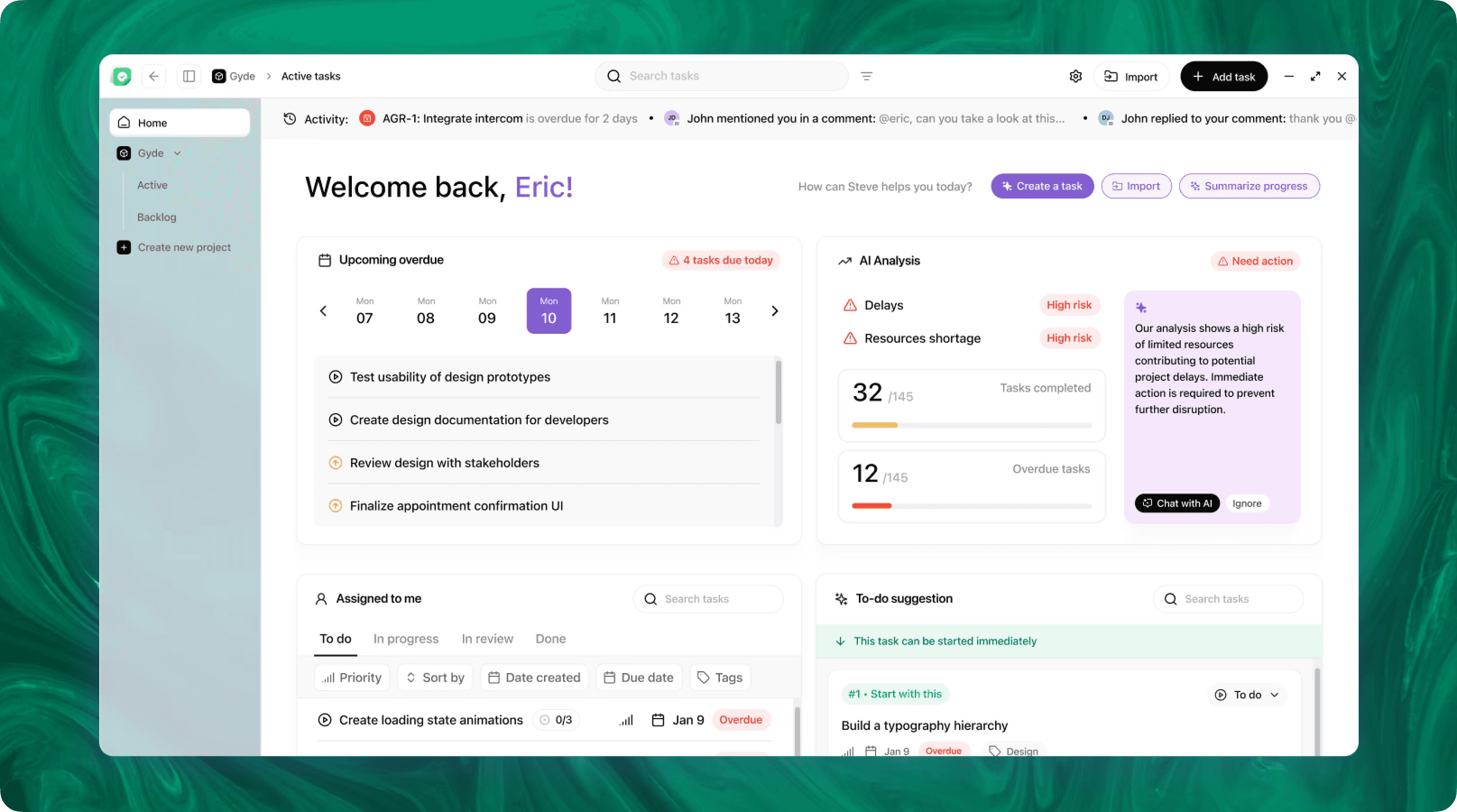
Steve is an AI-native operating system designed to streamline business operations through intelligent automation. Leveraging advanced AI agents, Steve enables users to manage tasks, generate content, and optimize workflows using natural language commands. Its proactive approach anticipates user needs, facilitating seamless collaboration across various domains, including app development, content creation, and social media management.
Conclusion
Lowering decision latency is an operational and cognitive challenge: it requires persistent context, prioritized intake, immediate synthesis, and frictionless execution. Steve, as an AI OS, addresses each link in that chain—shared memory preserves context, AI Email compresses and prioritizes input, Steve Chat produces on-demand, file-aware recommendations, and task management converts decisions into tracked action. Combined, these capabilities shorten the loop from question to commitment, reduce rework caused by missing context, and help teams act with confidence and speed.