How Steve Turns Meetings Into Decisions And Actions
Oct 12, 2026

Shared Memory For Continuous Meeting Context: Persistent context prevents rehashing, surfaces prior decisions, and enables reliable audits of why choices were made.
Steve Chat: Run Meetings Conversationally: A file-aware conversational interface lets hosts extract summaries, confirm commitments, and validate decisions during the meeting.
AI Email: Close The Loop After Meetings: Automated summaries and prioritized follow-ups turn meeting outcomes into clear, distributable responsibilities.
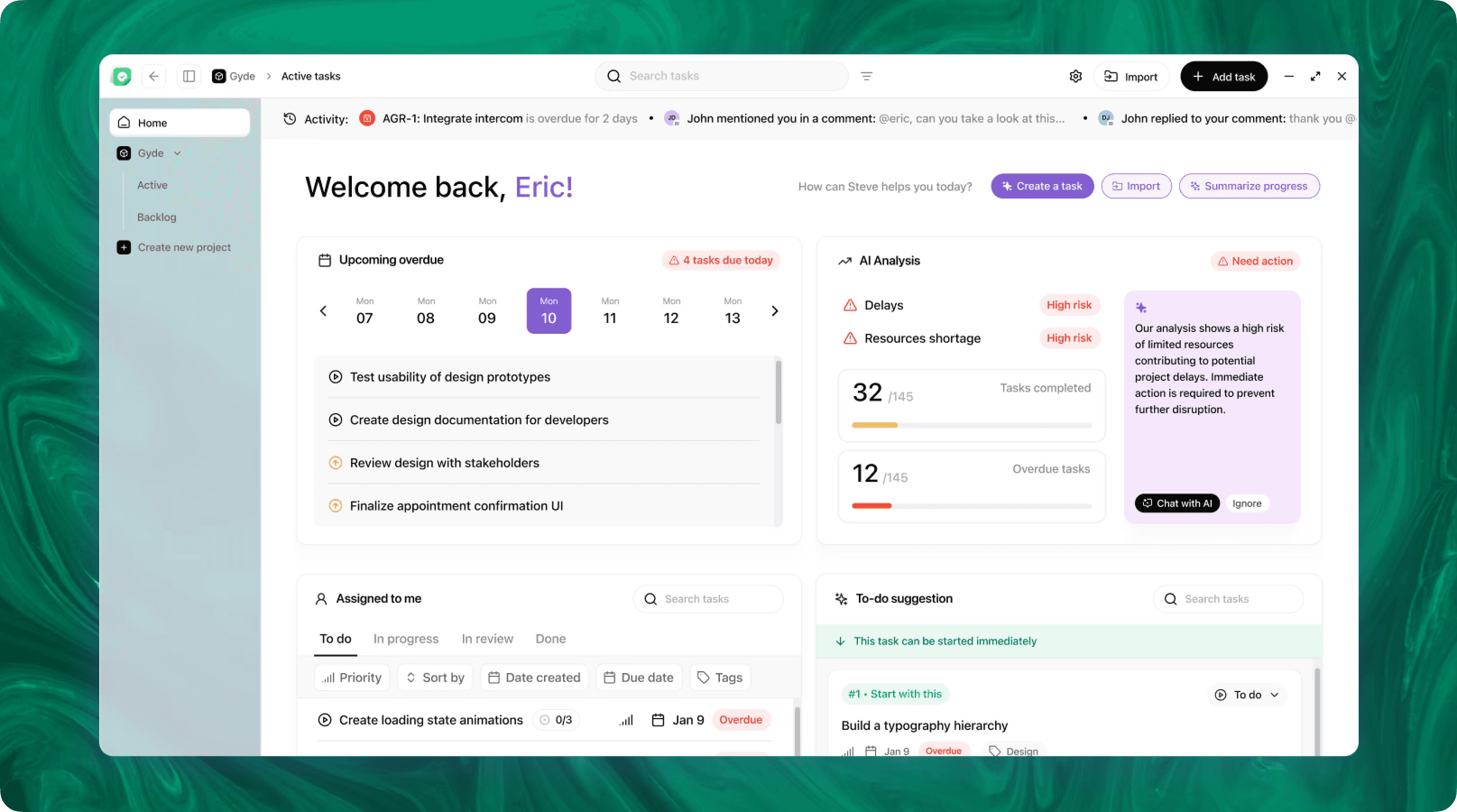
Task Management: Turn Decisions Into Tracked Work: AI-generated tasks and sprint proposals convert decisions into measurable work and maintain execution visibility.
Cross-Workflow Benefit: Combining shared context, conversational facilitation, auto-communication, and task orchestration minimizes drift and accelerates delivery.
Introduction
Meetings that end without clear decisions and assigned next steps waste time and undermine momentum. Steve, an AI Operating System, turns meetings into decisions and actions by capturing context, driving conversational facilitation, closing communication loops, and converting outcomes into tracked work. As an AI OS ally, Steve reduces rework, shortens decision cycles, and keeps teams aligned across asynchronous work.
Shared Memory For Continuous Meeting Context
Steve’s shared memory system preserves meeting context so conversations don’t restart from zero. Instead of asking participants to re-state background or previous conclusions, agents reference a persistent store of objectives, prior decisions, documents, and action history; that continuity prevents duplication and speeds resolution. In practice, a product review meeting can surface the original spec, previous acceptance criteria, and last sprint notes automatically, letting the room focus on the single remaining trade-off rather than rehashing earlier debates.
By keeping a canonical record of who said what and why, shared memory enables reliable decision audits. When stakeholders later dispute a direction, project leads consult the shared record to confirm the decision, see rationale, and determine whether to reopen the issue—eliminating downstream ambiguity and scope creep.
Steve Chat: Run Meetings Conversationally
Steve Chat converts meeting facilitation from manual to conversational by integrating calendar, documents, and live file context into a single interface. Hosts interact with Steve in natural language to set agendas, surface supporting files during the meeting, and prompt the system to extract decisions or open questions in real time. For example, a program manager can type "Summarize the last three related tickets and propose a tiebreaker," and Steve Chat returns a concise summary plus recommended options for immediate voting.
The chat’s file-awareness and scheduling integrations make it simple to confirm commitments on the spot: attendees can ask Steve to assign a follow-up, suggest dates, or link relevant documents without leaving the conversation. That live orchestration reduces post-meeting drift because decisions are validated and recorded during the interaction, not afterward.
AI Email: Close The Loop After Meetings
After a meeting, Steve’s AI Email drafts and distributes concise summaries and action lists so decisions translate into visible obligations. The inbox generates instant thread summaries, highlights critical items, and suggests recipients and subject lines tailored to the meeting’s outcomes. In a cross-functional sync, Steve can produce a single email that lists decisions, owners, due dates, and linked artifacts—ready for review before sending.
AI Email also helps prioritize follow-ups by tagging and categorizing items that require executive attention versus routine updates. That triage ensures leaders see only the items that need escalation while contributors receive targeted, actionable instructions, reducing the cognitive load of post-meeting cleanup.
Task Management: Turn Decisions Into Tracked Work
Steve converts meeting outputs into executable tasks and sprints so decisions become measurable progress. Using AI-powered product boards and integrations with task platforms like Linear, Steve proposes work items, assigns owners, and suggests timelines based on the meeting’s priorities and team capacity. A sprint planning meeting, for instance, can end with Steve creating a proposed sprint plan: user stories, acceptance criteria, and an initial assignment that the team can accept or refine.
This tight handoff prevents action items from languishing in email or chat. Once a task exists on the board, Steve tracks status, proposes reminders, and surfaces blockers in subsequent meetings, keeping execution visible and accountable. The combination of automatic task creation and intelligent tracking closes the loop from decision to delivery.
Steve
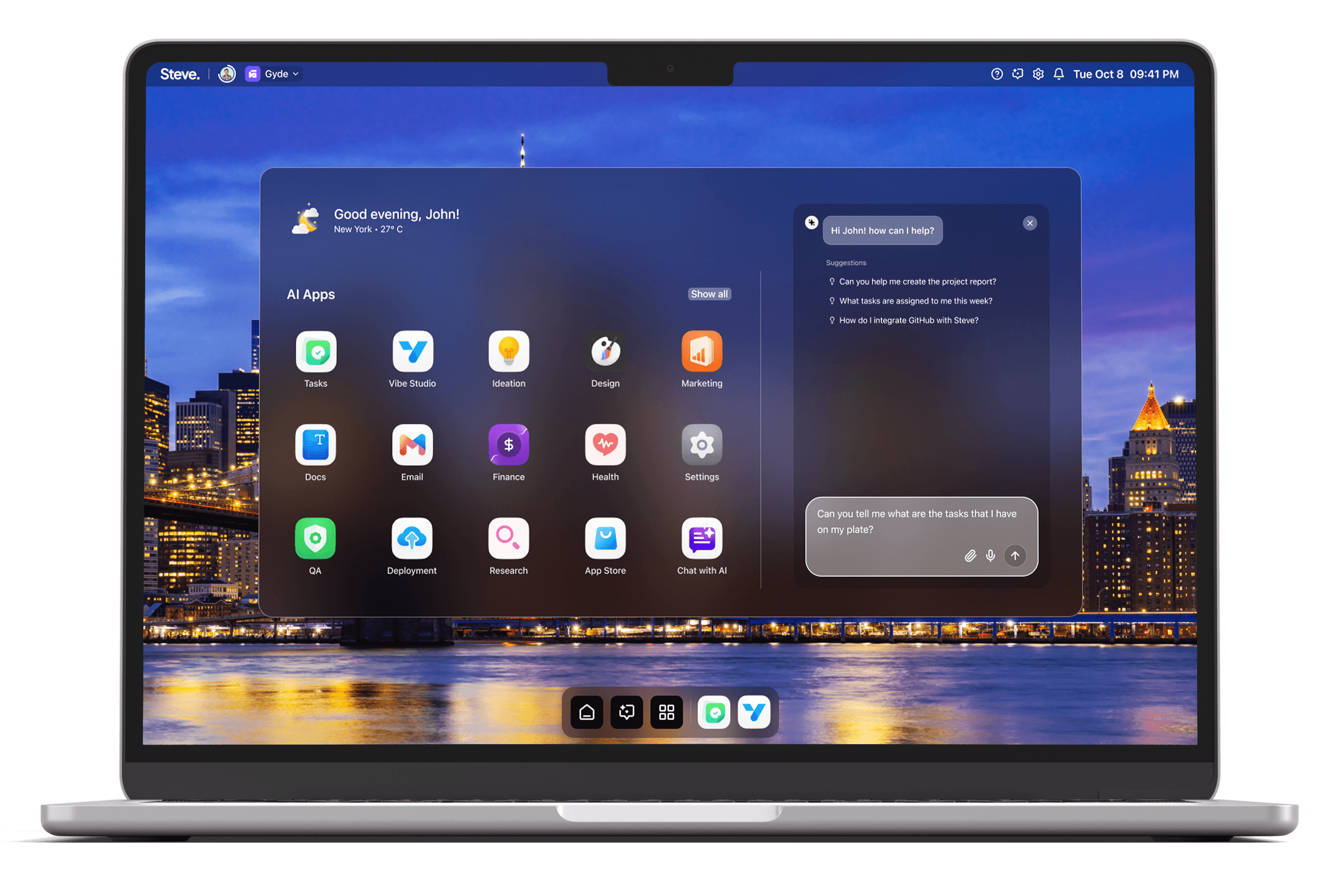
Steve is an AI-native operating system designed to streamline business operations through intelligent automation. Leveraging advanced AI agents, Steve enables users to manage tasks, generate content, and optimize workflows using natural language commands. Its proactive approach anticipates user needs, facilitating seamless collaboration across various domains, including app development, content creation, and social media management.
Conclusion
Steve combines persistent context, conversational facilitation, automated communications, and task orchestration to convert meetings into clear decisions and reliable actions. As an AI Operating System, Steve reduces friction across the meeting lifecycle: preparation, live decision-making, post-meeting follow-up, and execution. Teams spend less time reconstructing context and more time moving work forward—clearer outcomes, faster delivery, and stronger accountability with Steve as the AI OS backbone of the process.