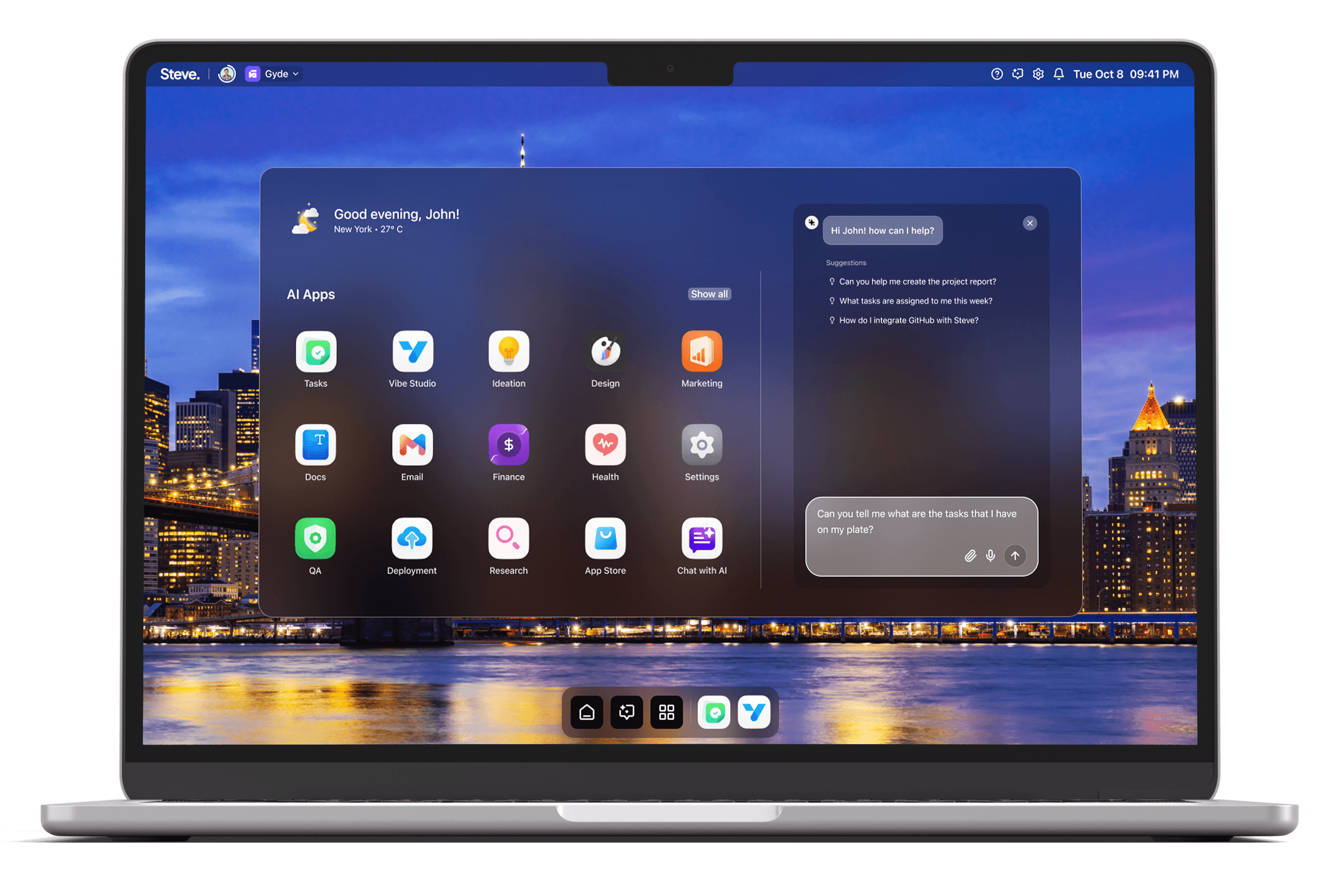
How Steve Turns Institutional Memory Into A Competitive Advantage
Oct 7, 2026

Shared Memory As The Single Source Of Truth: Centralized memory preserves decisions and context so teams reuse proven practices instead of rediscovering them.
Conversational Retrieval And Contextual Recall: Steve Chat provides real-time, integrated recall across calendars, emails, and docs so conversations surface actionable context.
Memory-Driven Email And Meeting Efficiency: Thread summaries and context-aware suggestions reduce follow-ups and ensure decisions re-enter the institutional record.
Task Boards That Carry Context Forward: AI-powered task management attaches historical context to tasks, improving estimates, execution, and traceability.
Operational Continuity: Combined, these capabilities shorten learning loops and make organizational knowledge a repeatable, scalable advantage.
Introduction
Institutional memory—how an organization captures, preserves, and reuses the knowledge of people, decisions, and context—determines how fast teams learn and how reliably they scale. Steve, an AI Operating System, turns institutional memory into a durable competitive advantage by capturing context, making it queryable, and weaving it directly into daily workflows so teams don’t repeat work or lose hard-won know-how.
Shared Memory As The Single Source Of Truth
Steve’s shared memory system centralizes facts, documents, decisions, and agent interactions so context persists beyond individual conversations. Instead of scattered notes, teams get a searchable, evolving store of what was tried, why it succeeded or failed, and which stakeholders were involved. In practice, a product team can surface prior rollout retrospectives and reuse release checklists automatically when planning a similar launch; engineering avoids revalidating edge cases that were already resolved, and product managers accelerate time-to-decision because the historical rationale is accessible and attributable.
This persistent memory reduces onboarding friction: new hires access the same contextual threads senior staff used to make decisions, shortening time-to-contribution and preserving institutional patterns that would otherwise evaporate when people move on.
Conversational Retrieval And Contextual Recall
Steve Chat combines sophisticated memory with integrations across Google Calendar, Drive, Gmail, Notion, and other services, enabling conversational retrieval that returns context, not just documents. Ask Steve about a past vendor negotiation, and the response can reference the relevant email thread, linked meeting notes, and the decision rationale stored in memory. This conversational interface removes the manual steps of retrieving multiple artifacts and reconstructing context from fragments.
For example, during a customer escalation call, a support lead can query Steve in real time to get the account’s prior issues, the engineering fixes applied, and the promised follow-ups—then use that context to craft an immediate, accurate response. That continuity converts reactive firefighting into structured remediation and preserves trust with customers.
Memory-Driven Email And Meeting Efficiency
Steve’s AI Email features—thread summaries and context-aware suggestions—turn long, distributed conversations into actionable memory. Summaries extract the decisions and action items from threads; context-aware reply suggestions reflect related projects and prior commitments captured in Steve’s memory. The result: fewer follow-ups, clearer handoffs, and fewer lost decisions.
In a cross-functional launch, a marketing lead can forward an email to Steve, receive a concise summary of dependencies and outstanding tasks, and generate a reply that aligns with the product timeline and previous commitments. That single interaction prevents misaligned expectations and ensures that critical decisions are recorded back into the shared memory for future reference.
Task Boards That Carry Context Forward
Steve’s AI-powered task management boards keep planning and execution connected to institutional memory. Tasks imported from tools like Linear, or created conversationally, inherit the context that Steve has captured—requirements, discussion threads, and relevant files—so execution happens with the correct background. The system can propose sprints informed by historical velocity and decision patterns, which reduces planning overhead and improves predictability.
A practical scenario: when converting a bug backlog into a sprint, Steve surfaces prior fixes, related design notes, and customer impact summaries directly on task cards. Developers don’t waste cycles digging for context; product managers get cleaner estimates; and the team accumulates structured, linkable decisions that reinforce the memory store.
From Memory To Competitive Advantage
Institutional memory becomes a competitive advantage when it shortens learning loops, reduces rework, and makes decisions repeatable. Steve accomplishes that by (1) centralizing context in a shared memory, (2) enabling conversational, integrated recall through Steve Chat, (3) surfacing distilled thread-level knowledge in AI Email, and (4) attaching context to tasks so execution preserves intent. Together these capabilities turn ephemeral human context into an operational asset that scales with people and time.
When knowledge is visible and actionable, organizations make faster, more consistent decisions, onboard new talent faster, and preserve customer trust through consistent responses. As an AI OS, Steve doesn’t replace judgment; it amplifies institutional knowledge so teams deploy that judgment more reliably across every interaction.
Steve
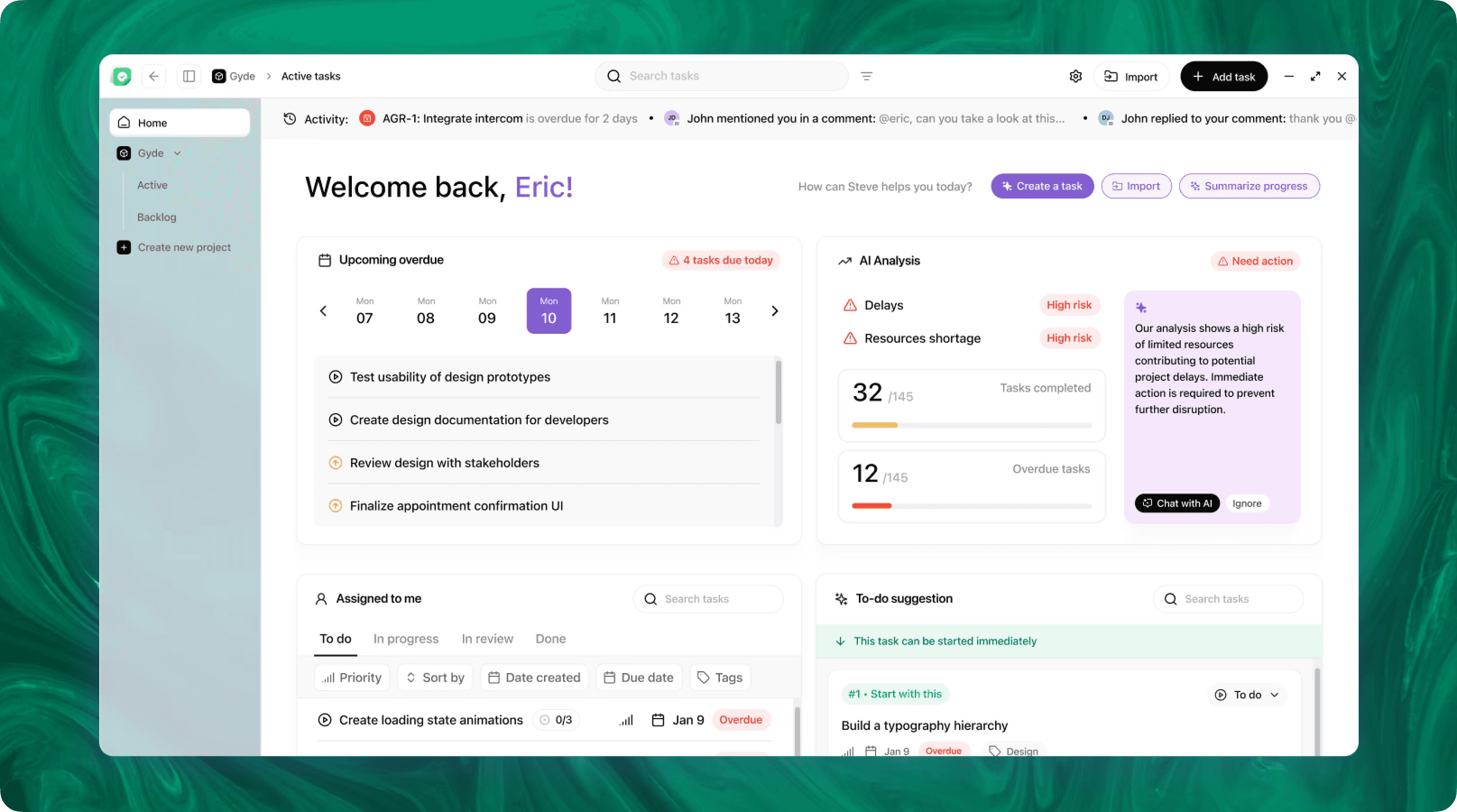
Steve is an AI-native operating system designed to streamline business operations through intelligent automation. Leveraging advanced AI agents, Steve enables users to manage tasks, generate content, and optimize workflows using natural language commands. Its proactive approach anticipates user needs, facilitating seamless collaboration across various domains, including app development, content creation, and social media management.
Conclusion
Preserving institutional memory is not an archive exercise—it’s a multiplier for speed and quality. Steve, the AI Operating System, captures and operationalizes context across chat, email, and task workflows so knowledge stays live, discoverable, and tied to action. That continuity turns past experience into repeatable advantage rather than forgotten expense.