How Steve Turns Everyday Conversations Into Documentation
Oct 11, 2026

Capture Conversations Automatically: Deep integrations let Steve pull emails, docs, and chat context without manual work.
Summarize And Contextualize Threads: AI Email and Steve Chat create concise, decision-focused summaries that form the basis of documentation.
Turn Conversations Into Tasks And Docs: Task Management converts conversational items into actionable tickets and knowledge base entries.
Maintain Living Documentation With Shared Memory: A shared memory system preserves decisions and context so documentation updates with new conversations.
Workflow Benefit: Combining capture, summarization, tasking, and memory makes documentation a byproduct of daily work rather than a separate process.
Introduction
Everyday conversations carry decisions, context, and action items—but they rarely become usable documentation without effort. Steve, an AI Operating System, turns those conversations into structured, searchable records so teams stop hunting for context and start acting on it. This article shows how Steve captures conversations across tools, summarizes and attaches context, converts dialogue into tasks and docs, and preserves institutional memory so documentation evolves with work.
Capture Conversations Automatically
Steve captures conversational context by connecting where people already talk: Gmail, Google Drive, Sheets, Notion, and 40+ integrations available through Steve Chat. By working inside the threads and documents teams use, Steve eliminates manual copy-paste and broken context. In practice, a product manager can ask Steve in-chat to pull the latest email thread about a feature, attach the related design doc from Drive, and surface recent commits from GitHub—creating a single, conversation-rooted view without switching apps. Because Steve functions as an AI OS with deep integrations, that capture respects existing file relationships and keeps the original sources linked.
Summarize And Contextualize Threads
Lengthy email and chat threads are barriers to clarity; Steve reduces that friction with AI Email’s instant thread summaries and Steve Chat’s contextual awareness. When a long conversation lands in your inbox, Steve generates concise summaries that highlight decisions, open questions, and stakeholders. Those summaries become the basis for documentation: they can be stored in a project channel, appended to a meeting note, or attached to a task. Steve’s context-aware replies also draft suggested follow-ups that reflect current project state, ensuring any created documentation stays aligned with ongoing work. This makes documentation readable, action-oriented, and tied to the exact conversational moment that produced it.
Turn Conversations Into Tasks And Docs
Conversations should produce outcomes, not just logs. Steve’s Task Management transforms decisions embedded in chat and email into structured work items. From a single conversational prompt—"Create tasks from this email thread"—Steve can propose a set of actionable tickets and populate a product board with descriptions, owners, and suggested sprints. Integration with tools like Linear streamlines actual execution: Steve can import or create tasks where teams already manage work. For writers and PMs, Steve also drafts living documents from conversation snippets: meeting summaries become knowledge base entries, and chat highlights are converted into reference pages that include links back to original messages. This preserves traceability while accelerating handoffs.
Maintain Living Documentation With Shared Memory
Documentation decays when it loses context. Steve avoids that by using a shared memory system that lets AI agents collaborate and surface relevant history as conversations continue. That memory stores decisions, recurring patterns, and role-specific context so future chats produce documentation enriched by past interactions. For example, when an engineer asks about a previously discussed API constraint, Steve references the stored decision and includes the related emails and notes in the generated documentation. Because shared memory is accessible across Steve’s modules—the chat, email, and task systems—documentation stays current as projects evolve and new conversations append rather than overwrite context.
Steve
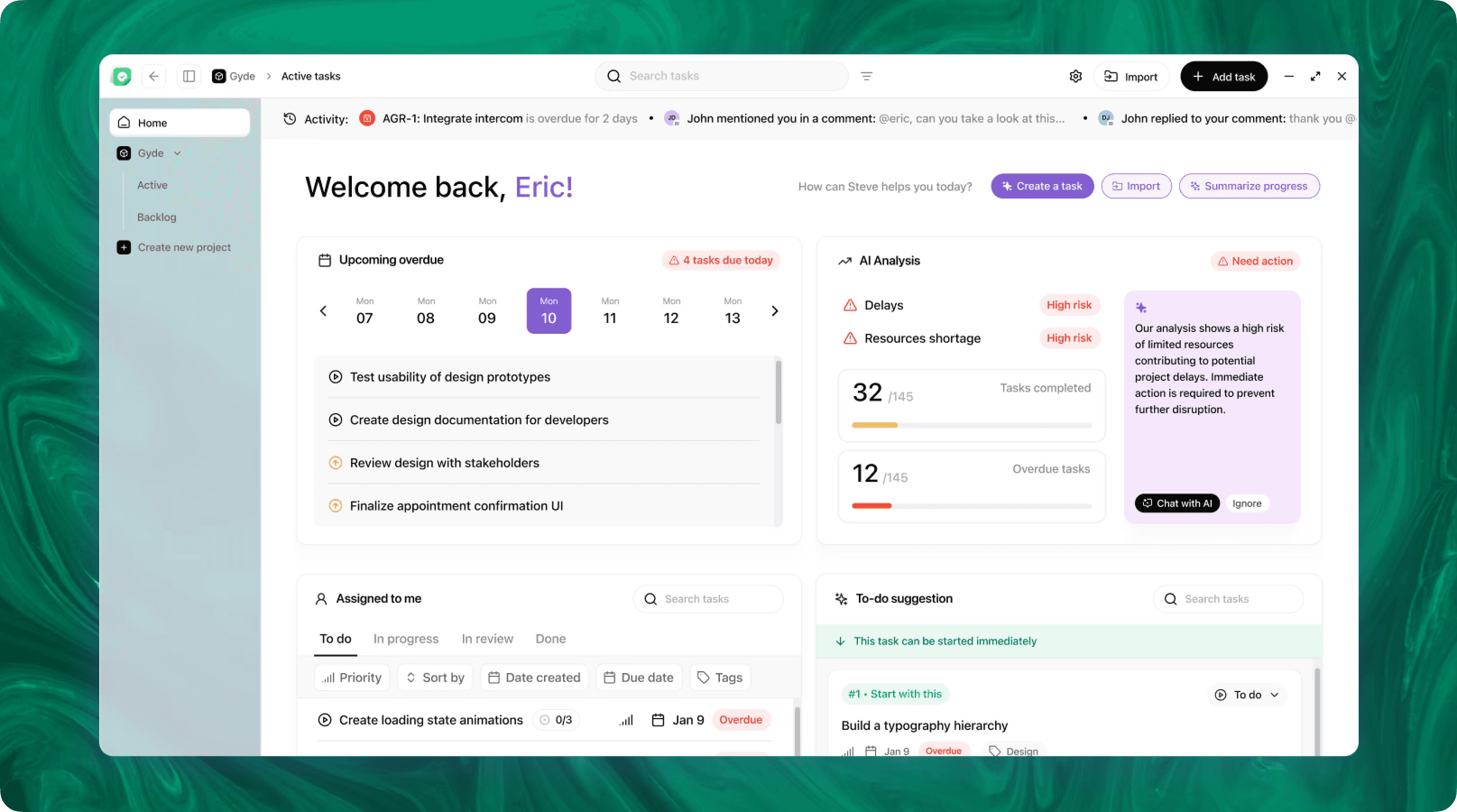
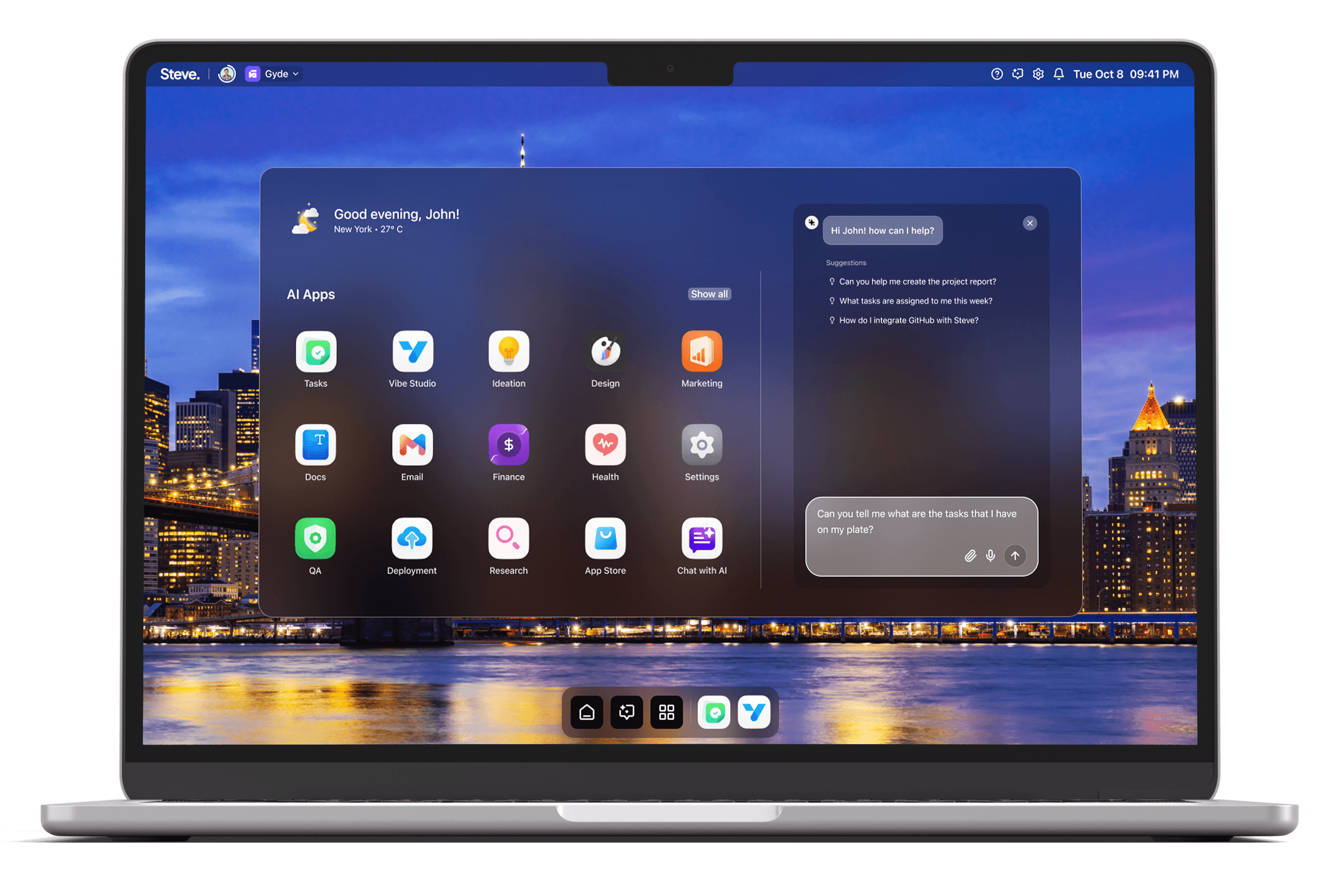
Steve is an AI-native operating system designed to streamline business operations through intelligent automation. Leveraging advanced AI agents, Steve enables users to manage tasks, generate content, and optimize workflows using natural language commands. Its proactive approach anticipates user needs, facilitating seamless collaboration across various domains, including app development, content creation, and social media management.
Conclusion
Turning everyday conversations into documentation requires capture, synthesis, action, and memory. As an AI OS, Steve delivers those capabilities by integrating where teams talk, summarizing threads with AI Email and Steve Chat, converting talk into tasks and living documents via Task Management, and preserving context with a shared memory system. The result: documentation that grows out of daily work instead of becoming a separate chore—faster onboarding, fewer rediscovery losses, and clearer accountability anchored directly to the conversations that created them.