How Steve Turns Daily Operations Into Strategic Signals
Oct 3, 2026

Shared Memory And Agent Collaboration: A common memory lets agents aggregate interactions into trendable signals across teams and time.
Smart Inbox And Thread Summaries: AI Email condenses threads and tags risk, turning communications into prioritized inputs for action.
Conversational Operations With Integrations: Steve Chat queries integrated services to synthesize evidence-backed operational snapshots on demand.
Task Management And Continuous Feedback: AI-powered boards convert operational signals into tracked tasks and sprint recommendations for measurable follow-through.
Operational Loop: Collecting context, distilling signals, and automating task creation closes the gap between insight and execution.
Introduction
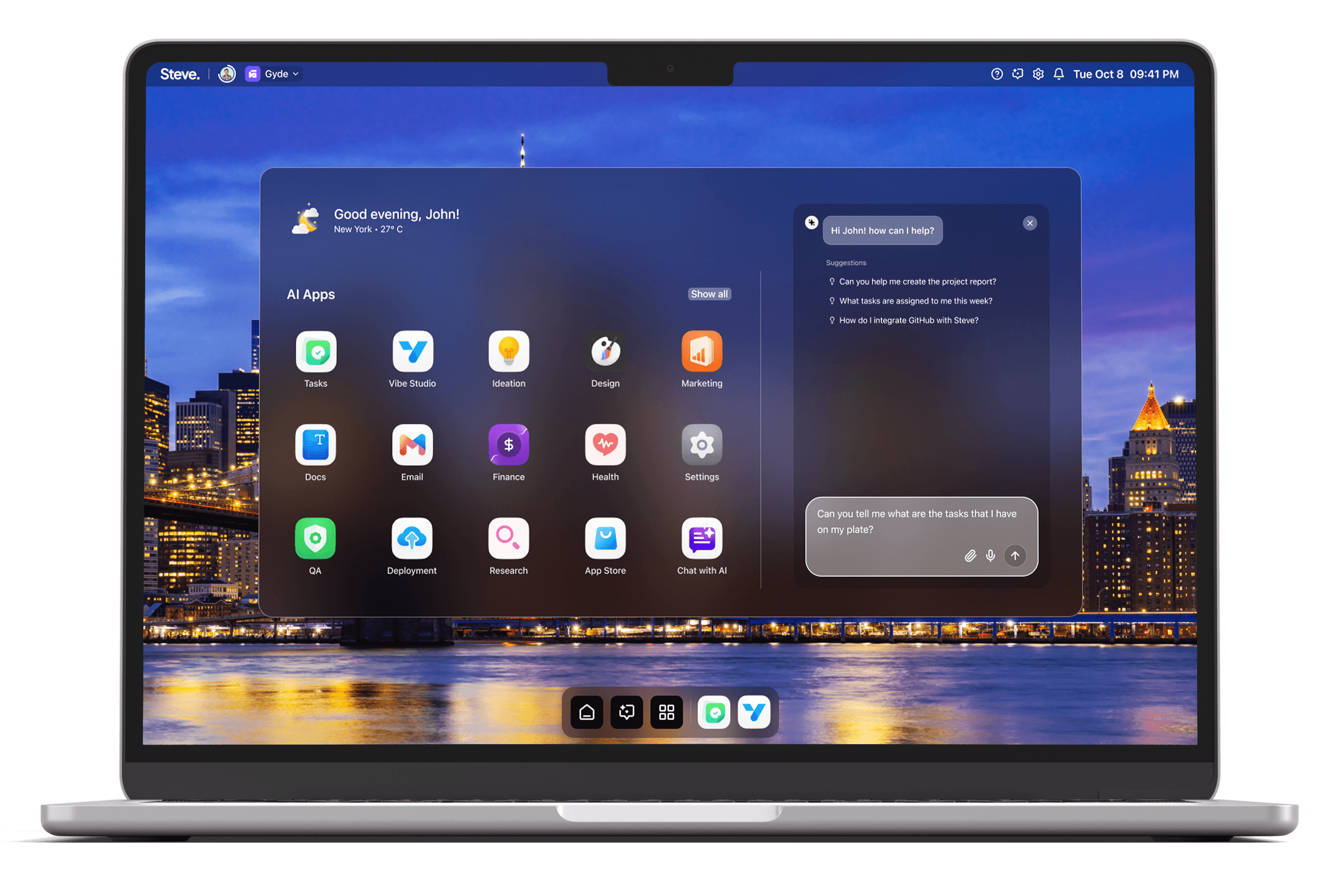
Turning day-to-day operations into strategic signals separates reactive teams from proactive organizations. Steve, an AI Operating System, consolidates conversational context, communications, and task flows so operational noise becomes interpretable, repeatable inputs for decision-making. This article explains how Steve’s shared memory, AI Email, Steve Chat, and Task Management capabilities convert routine activity into measurable signals that guide strategy.
Shared Memory And Agent Collaboration
Steve’s shared memory system lets AI agents read and write a common context, so discrete interactions accumulate into a coherent operational history. Instead of storing an isolated chat, calendar event, or ticket, Steve links related items to preserve intent and evolving status; that continuity converts isolated events into longitudinal signals like rising support volume for a product, recurring delay causes, or emerging customer themes.
In practice: after a customer support surge, agents tag recurring phrases in tickets and conversations; shared memory aggregates those tags and surfaces a trend report to product and ops. Rather than one-off fixes, teams see pattern frequency, correlated metadata (region, plan, release), and the shared context needed to prioritize roadmaps or form a cross-functional task force.
Smart Inbox And Thread Summaries
Steve’s AI Email transforms crowded inboxes into prioritized signal streams by auto-tagging, summarizing threads, and offering context-aware reply suggestions. Summaries condense long exchanges into actionable bullets; tags highlight urgency, churn risk, or escalation needs; draft suggestions align responses with ongoing projects so communications reinforce strategic objectives instead of creating noise.
A concrete scenario: an account manager receives a long thread about performance issues. Steve tags the thread as "high-risk," summarizes the technical points and past commitments, and suggests a reply that proposes remediation steps and a follow-up timeline. That single interaction becomes a structured signal—status, risk level, required resources—ready to convert into a task or sprint.
Conversational Operations With Integrations
Steve Chat extends conversational operations by connecting to calendars, email, drives, issue trackers, and 40+ services so you can query operational state in natural language. Because Steve is file-aware and performs real-time web searches, conversations return evidence-backed answers: overdue invoices with attachments, the latest build logs, or the set of unresolved issues blocking release.
Example use: an operations lead asks Steve: "Show me unresolved production incidents this week and the owners." Steve compiles incident notes, related emails, and linked tickets, then recommends next steps—assign owners, schedule a postmortem, or escalate. That conversational synthesis turns dispersed data into a prioritized set of signals that teams can act on immediately.
Task Management And Continuous Feedback
Steve’s AI-powered task boards centralize planning and execution so signals flow directly into workstreams. With Linear integration and sprint proposals, Steve suggests priorities based on the signal weight coming from shared memory, email tags, and conversational queries. The system proposes sprints, creates tracker items, and monitors progress so operational trends become measurable execution items rather than vague observations.
A practical workflow: recurring quality incidents identified via shared memory and email tags automatically generate proposed tasks on the board. Steve recommends sprint allocations, links relevant threads and files, and updates status as engineers close tickets. Over time, the completion rate and recurrence metrics feed back into Steve’s context, sharpening future recommendations and converting historical operations into predictive signals.
Steve
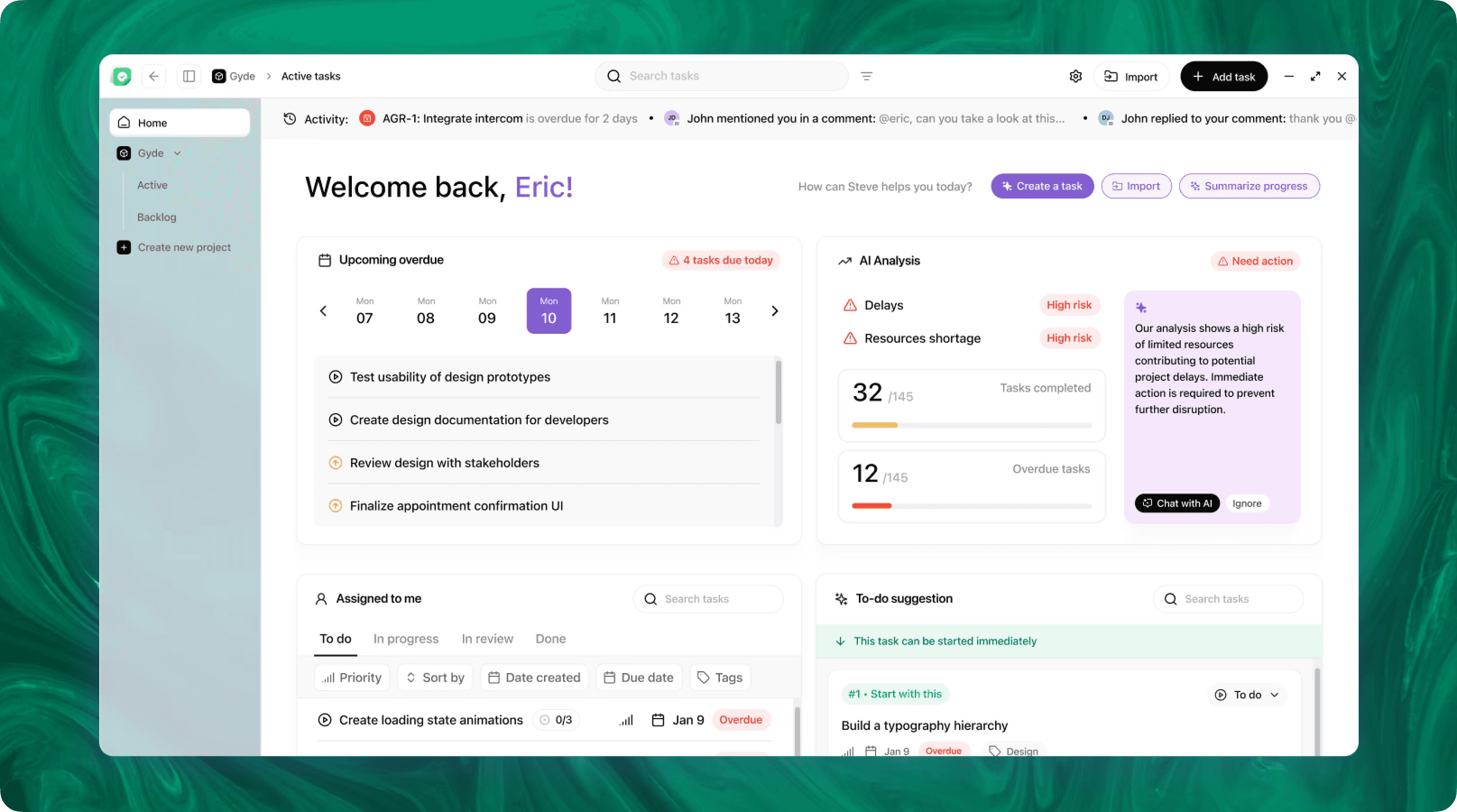
Steve is an AI-native operating system designed to streamline business operations through intelligent automation. Leveraging advanced AI agents, Steve enables users to manage tasks, generate content, and optimize workflows using natural language commands. Its proactive approach anticipates user needs, facilitating seamless collaboration across various domains, including app development, content creation, and social media management.
Conclusion
Steve turns daily operations into strategic signals by combining shared memory, a smart inbox, conversational integrations, and AI-driven task management. As an AI OS, Steve captures contextual threads, distills them into prioritized insights, and translates those insights into tracked work—closing the loop between observation and action. Teams that use Steve move from firefighting to informed strategy, using operational signals to prioritize roadmaps, reduce risk, and measure impact.