How Steve Makes Business Knowledge Searchable In Plain Language
Oct 7, 2026

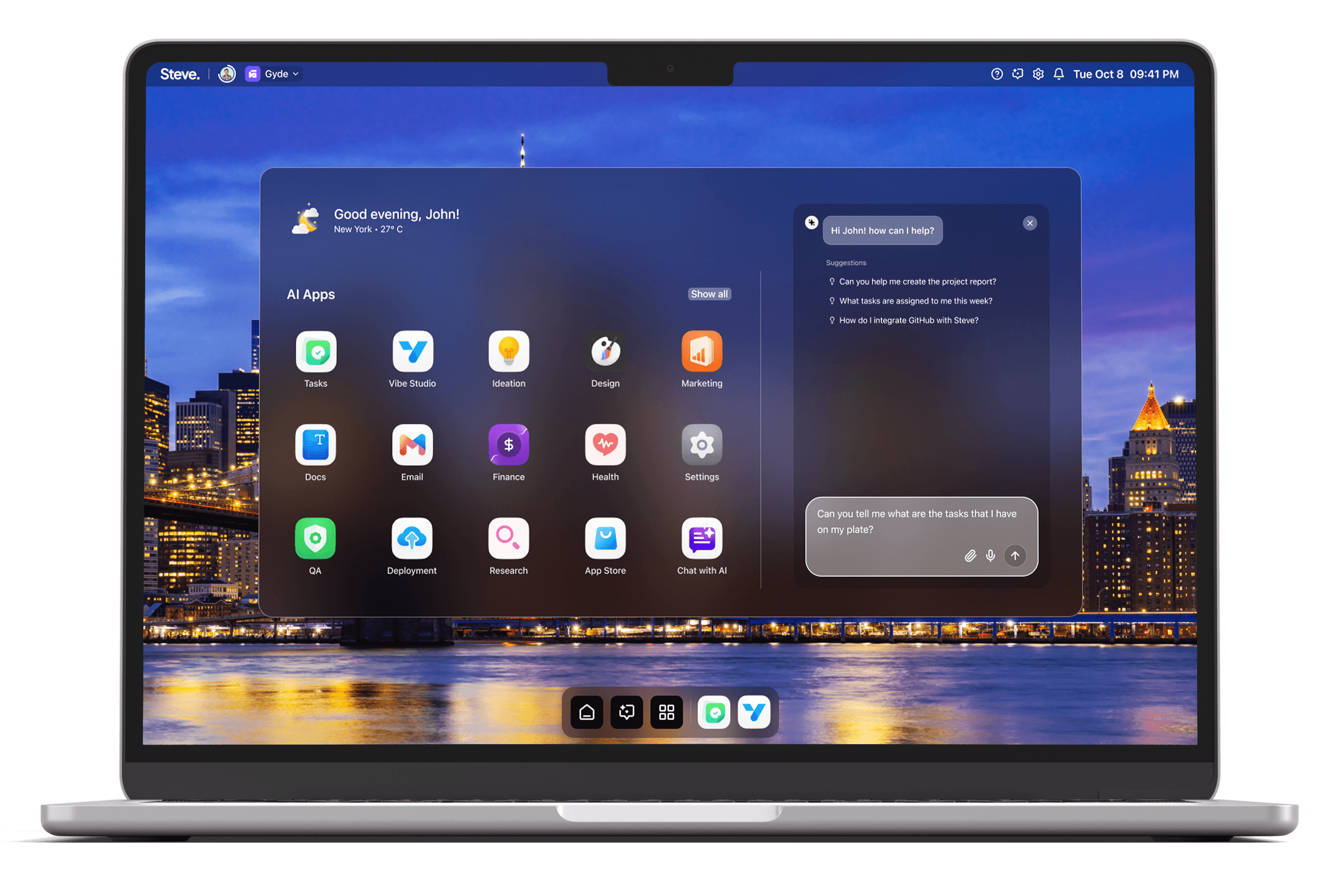
Conversational Retrieval With Steve Chat: Natural, file-aware chat lets users query integrated services and uploads in plain language and get sourced, concise answers.
Shared Memory That Preserves Context: A persistent memory layer captures decisions and facts so search results reflect organizational history and role-specific context.
AI Email That Turns Threads Into Answers: Thread summaries, tags, and in-inbox chat surface commitments and action items as direct answers to plain-language questions.
Personalization And Precision: Memory-driven personalization and follow-up clarification reduce ambiguity and tailor answers to the requester's role and needs.
Actionable Results: Combining chat, memory, and email summarization produces concise, sourced responses that link back to original documents for verification and next steps.
Introduction
Making business knowledge searchable in plain language removes friction from decisions, onboarding, and day-to-day work. Steve, an AI Operating System, treats search as a conversational, context-aware workflow rather than a brittle keyword lookup. By combining conversational retrieval, a shared memory layer, and email-aware summarization, Steve turns scattered documents, threads, and human knowledge into a single, plain-language query experience that scales across teams.
Conversational Retrieval With Steve Chat
Steve Chat gives people a natural conversation interface to find and act on business information. Instead of guessing filenames or folder locations, users ask plain-language questions—"What are the approved vendor terms for procurement?"—and Steve routes the query across integrated services (calendar, Gmail, Drive, Sheets, Notion, and others) to return concise, sourced answers. Because Steve Chat is file-aware, uploaded PDFs, spreadsheets, and images become searchable context: the assistant cites relevant passages, highlights table rows, and points to the original file.
This conversational retrieval works with Steve's real-time web search capability, so answers combine internal documents and live external context when appropriate. The chat maintains conversational state and uses thoughtful, step-by-step reasoning to clarify ambiguous requests: if a question could refer to multiple quarters or regions, Steve will ask a targeted follow-up and then fetch the precise document. That reduces back-and-forth and keeps results aligned with how people actually ask questions.
Shared Memory That Preserves Context
Steve's shared memory system links agent interactions, decisions, and recurring facts so search returns reflect organizational context. Rather than treating each query in isolation, the memory records persistent facts—approved workflows, key contacts, product code names, and recurring meeting outcomes—so plain-language queries return answers that reflect prior decisions and team conventions.
For example, a new hire can ask, "Who owns the API rate-limit policy?" and Steve will surface the current owner, the policy document, and the most recent change note preserved in memory. Teams benefit because commonly asked questions become answered by the system's accumulated context, reducing duplicated explanations and preventing outdated documents from resurfacing as authoritative. Shared memory also enables personalized responses: Steve remembers role-specific preferences and tailors the level of detail to the asker, which keeps answers actionable for different audiences.
AI Email That Turns Threads Into Answers
Email often contains critical but buried business knowledge. Steve's AI Email shifts thread search from manual scanning to instant, plain-language summaries and tagging. It auto-tags conversations, generates short summaries for long threads, and surfaces action items and commitments on demand. Users can query the inbox with a question like, "Which supplier agreed to a two-week delivery window last quarter?" and receive a short answer plus the summarized thread and a link to the original messages.
Because you can chat with the AI inside the inbox, follow-ups remain conversational: ask for the timeline, ask who committed, or request a draft reply—all without leaving the email context. This keeps knowledge connected to communication and makes historically important decisions retrievable through simple language rather than brittle search terms.
Steve
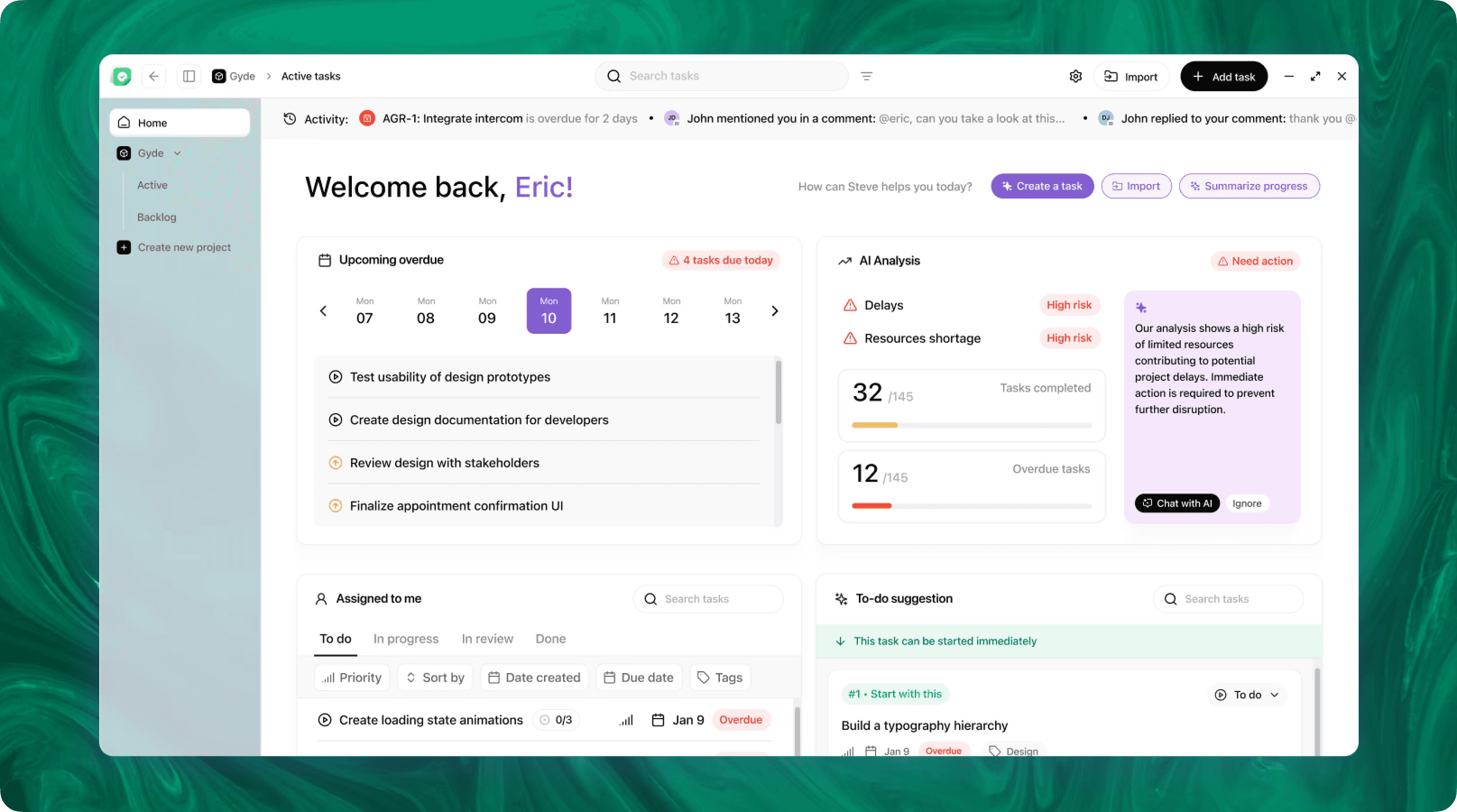
Steve is an AI-native operating system designed to streamline business operations through intelligent automation. Leveraging advanced AI agents, Steve enables users to manage tasks, generate content, and optimize workflows using natural language commands. Its proactive approach anticipates user needs, facilitating seamless collaboration across various domains, including app development, content creation, and social media management.
Conclusion
Searchable business knowledge depends on three things: natural access, persistent context, and distilled sources. As an AI OS, Steve delivers each: Steve Chat provides natural, file-aware retrieval and real-time search; the shared memory system preserves organizational context so answers remain relevant and personalized; and AI Email extracts and surfaces critical knowledge from conversations. Together, these capabilities let teams ask questions in plain language and receive concise, sourced, and actionable answers—reducing time spent hunting for information and increasing operational clarity across the organization.