How Steve Helps Sales And Delivery Stay Aligned
Nov 17, 2026

Shared Memory Creates a Single Source of Truth: Persistent memory ensures sales and delivery reference identical deal facts, reducing handoff errors.
AI Email Keeps Communication Tight and Prioritized: Automated tagging and summaries make long threads actionable and prevent missed commitments.
Conversational Coordination With Steve Chat: Chat-driven workflows pull contracts, schedules, and files into one conversational lane for fast, contextual decisions.
Task Management Bridges Commitments To Execution: Auto-generated boards and Linear integration translate promises into measurable work with owners and deadlines.
Operational Outcome: Combined, these features shorten handoffs, increase visibility, and improve delivery reliability.
Introduction
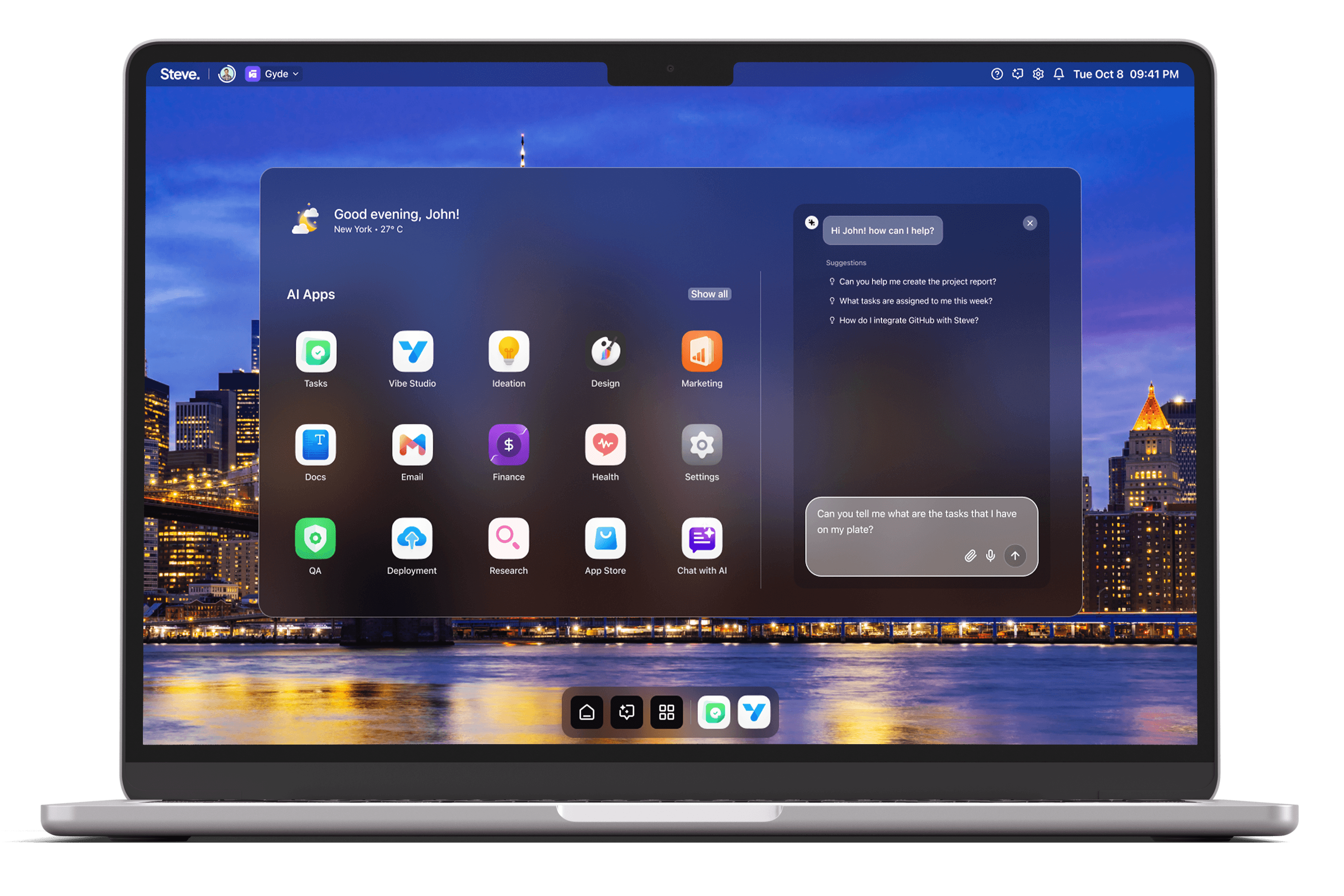
Sales and delivery teams routinely miss expectations when context, commitments, or priorities slip between handoffs. Steve, an AI Operating System, reduces that friction by keeping information, conversations, and execution tightly connected so promises translate reliably into outcomes. As an AI OS built around shared memory, an intelligent inbox, conversational agents, and task boards, Steve helps organizations move from verbal commitments to traceable delivery with fewer misunderstandings and faster cycle times.
Shared Memory Creates a Single Source of Truth
At the center of Steve’s alignment strategy is a shared memory system that lets AI agents capture and surface the same contextual facts across workflows. When a sales rep logs deal specifics—scope, timeline expectations, technical constraints, or special terms—Steve records those details in memory so delivery agents, chat assistants, and task automations all reference identical information. That single source of truth eliminates the “he said, she said” gap: delivery sees the customer’s stated priority, compliance notes, and attachments the moment the deal closes.
Practical scenario: after a demo, sales saves a negotiated timeline and a required integration to Steve. Delivery’s onboarding agent reads that memory, flags a dependency, and creates an initial plan that reflects the exact constraint. The result is fewer scope surprises and faster, more accurate kickoffs.
AI Email Keeps Communication Tight and Prioritized
Steve’s AI Email turns long threads into actionable intelligence so critical items don’t get buried. It tags and categorizes messages automatically, produces concise summaries of multi-message discussions, and offers context-aware reply suggestions that align with the existing project memory. That means delivery managers can scan a summary to learn what sales promised and reply with an implementation question in a single, informed step.
Practical scenario: a customer thread spans multiple stakeholders and dozens of messages. Steve Email generates a short thread summary that highlights deliverables, deadline commitments, and unresolved questions. Delivery uses those highlights to update the project memory and create prioritized tasks, closing loopbacks before they become escalations.
Conversational Coordination With Steve Chat
Steve Chat provides a conversational interface that both sales and delivery can use to coordinate without switching tools. With built-in integrations (Google Calendar, Gmail, Google Drive, Sheets, Notion and others) and file-aware capabilities, Steve Chat can pull schedules, locate contracts, extract requirements from uploaded PDFs or spreadsheets, and propose next steps—all inside the same chat.
Practical scenario: a sales lead requests a kickoff meeting. In chat, Steve reads the signed contract from Drive, extracts scope items, finds an available slot in shared calendars, and suggests a meeting agenda tailored to the customer’s priorities. Delivery accepts the agenda and uses the same chat to assign initial owners—preserving context and reducing back-and-forth.
Task Management Bridges Commitments To Execution
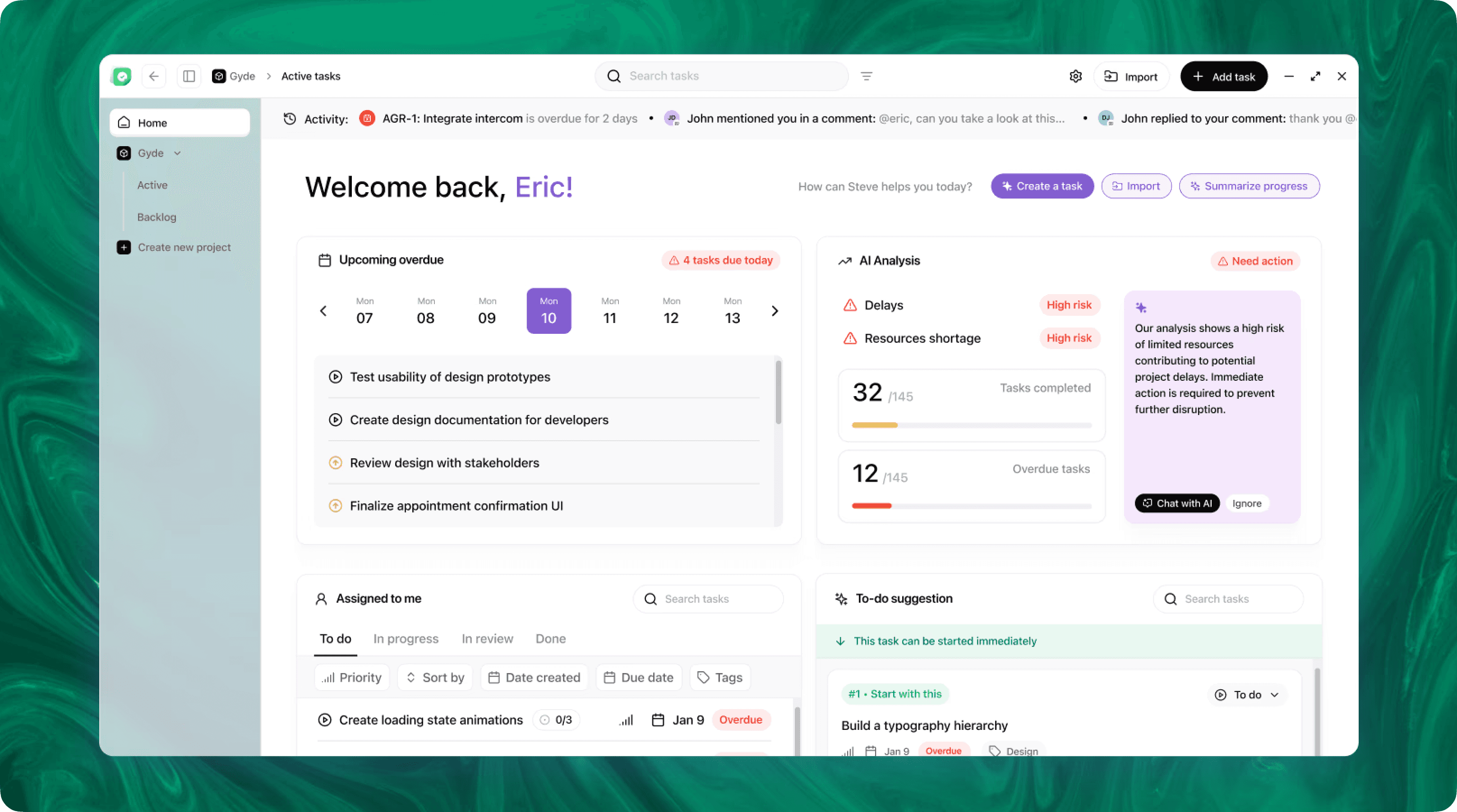
Steve’s Task Management boards turn promises into tracked work. The system imports or creates tasks from conversational prompts, integrates with Linear to preserve engineering workflows, and proposes sprints based on priorities captured in memory. That converts ad-hoc commitments into measurable milestones with owners and deadlines.
Practical scenario: after a contract is summarized in Steve, the platform auto-generates a delivery board with prioritized tasks, links to the contract in Drive, and a recommended sprint schedule. Delivery teams adopt the board as the working plan while sales retains visibility—so everyone sees progress against the customer’s expectations in real time.
Steve
Steve is an AI-native operating system designed to streamline business operations through intelligent automation. Leveraging advanced AI agents, Steve enables users to manage tasks, generate content, and optimize workflows using natural language commands. Its proactive approach anticipates user needs, facilitating seamless collaboration across various domains, including app development, content creation, and social media management.
Conclusion
Alignment between sales and delivery depends on shared context, fast and accurate communication, and dependable execution. As an AI OS, Steve brings those pillars together: shared memory keeps facts consistent, AI Email compresses and prioritizes conversations, Steve Chat coordinates actions across calendars and documents, and Task Management converts commitments into tracked work. The combined effect is fewer misunderstandings, faster handoffs, and clearer accountability—letting teams deliver what was promised, on schedule.