How Steve Bridges Strategy And Execution
Feb 20, 2026

Creating Strategic Alignment With Shared Memory: Persistent, machine-readable context prevents lost assumptions and keeps execution tied to strategic intent.
Turning Plans Into Work With Task Management: AI-powered boards translate objectives into sprints and tasks, assigning owners and tracking progress to compress the planning-to-doing loop.
Closing Communication Loops With AI Email: Context-aware summaries and draft suggestions speed decisions and keep stakeholders aligned with current priorities.
Orchestrating Execution With Steve Chat: Conversational coordination connects calendars, documents, and tasks so routine handoffs are automated and visible.
Composite Benefit: Combined, these capabilities shorten feedback loops, reduce rework, and make strategy operational across teams.
Introduction
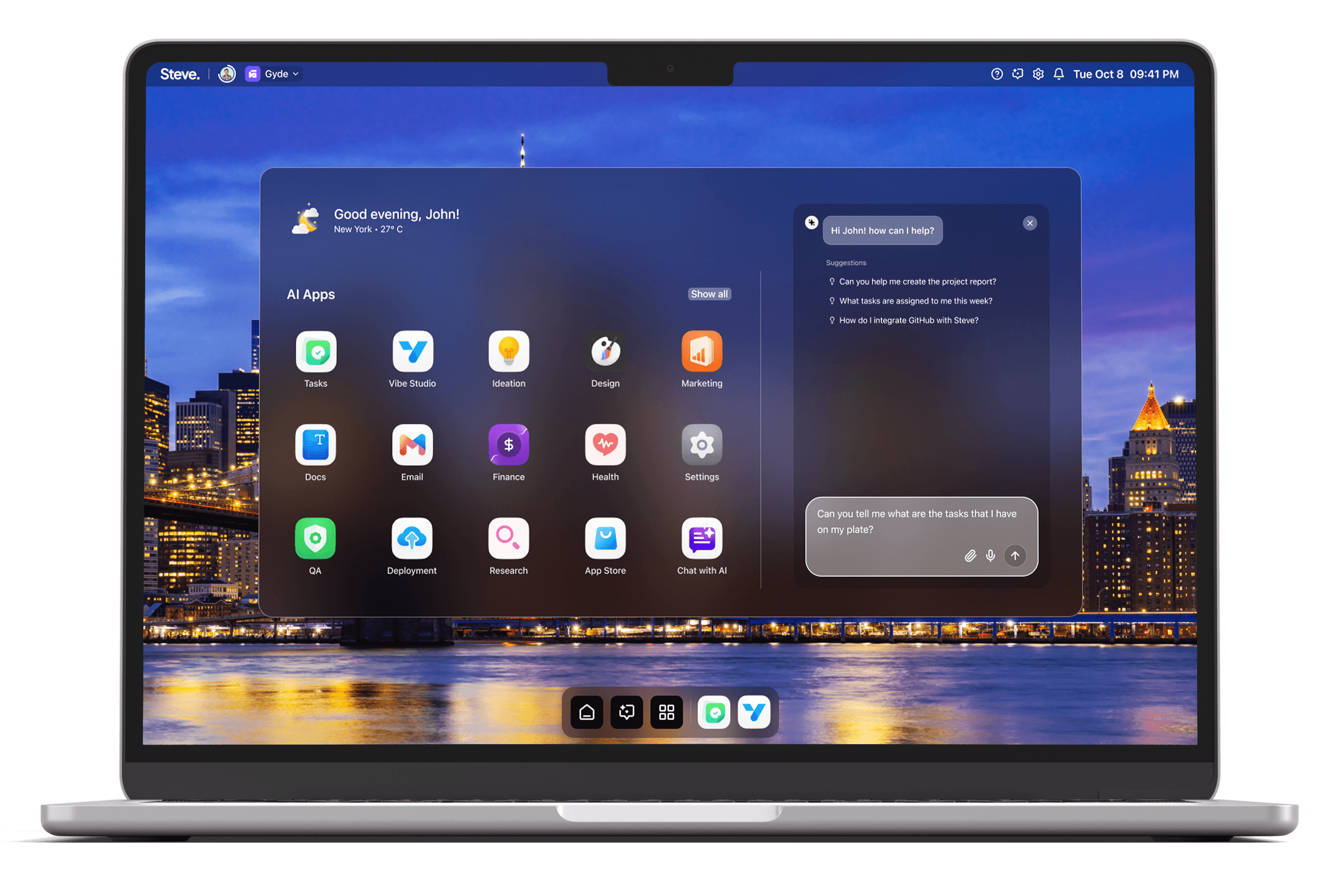
Bridging strategy and execution is the persistent gap that turns plans into projects and ideas into outcomes. Steve, an AI Operating System (AI OS), reduces that gap by aligning intent, context, and action inside a single conversational workspace. By combining a shared memory for context continuity, task management that generates and tracks delivery, AI Email to keep communication tight, and Steve Chat to orchestrate tools and schedules, Steve turns strategic decisions into measurable work without surrendering control or transparency.
Creating Strategic Alignment With Shared Memory
Strategy fails when teams interpret priorities differently or when context is lost between discussions and deliverables. Steve’s shared memory system preserves strategy artifacts—decisions, constraints, stakeholder inputs—and exposes them to the AI agents that execute work. Practically, a product lead can summarize a quarterly goal once; that summary becomes accessible to task boards, chat sessions, and email drafts so the same north star guides every execution step. The result is a persistent, machine-readable context layer that prevents rework caused by forgotten assumptions and keeps downstream actions tethered to strategic intent.
Turning Plans Into Work With Task Management
Execution requires structure: tasks, owners, timelines, and visibility. Steve’s AI-powered task management boards translate strategic objectives into actionable sprints and Kanban-style workflows tailored to team capacity. For example, after a strategy session captured in shared memory, Steve can propose a sprint breakdown, assign owners, and update statuses automatically as conversations progress. Integration with issue trackers like Linear lets teams import or synchronize work items so planning stays connected to delivery. That coupling of strategy-aware planning and automated tracking compresses the planning-to-doing loop and surfaces execution risks earlier.
Closing Communication Loops With AI Email
Communication friction derails execution—missed threads, ambiguous asks, and delayed approvals all add latency. Steve’s AI Email integrates a smart inbox with context-aware summaries and draft suggestions that reference the shared strategy memory and active tasks. In practice, project leads receive condensed summaries of long threads that highlight open decisions and action items; the AI suggests reply drafts aligned with current objectives and the sprint plan. By reducing the time to understand and respond, AI Email keeps stakeholders informed and decisions timely, which directly accelerates execution.
Orchestrating Execution With Steve Chat
Execution depends on coordination across calendars, documents, repositories, and communication channels. Steve Chat acts as the conversational conductor, linking the shared memory and task system to practical operations: scheduling reviews, surfacing relevant documents, and creating or updating tasks via natural language. Teams can ask Steve to “schedule a launch review next week, invite the release leads, and create a checklist tied to the sprint,” and the AI will reference stored strategy context to prioritize checklist items. Because Steve Chat connects to calendars, drives, and issue systems, it reduces the manual handoffs that typically fragment execution.
Steve
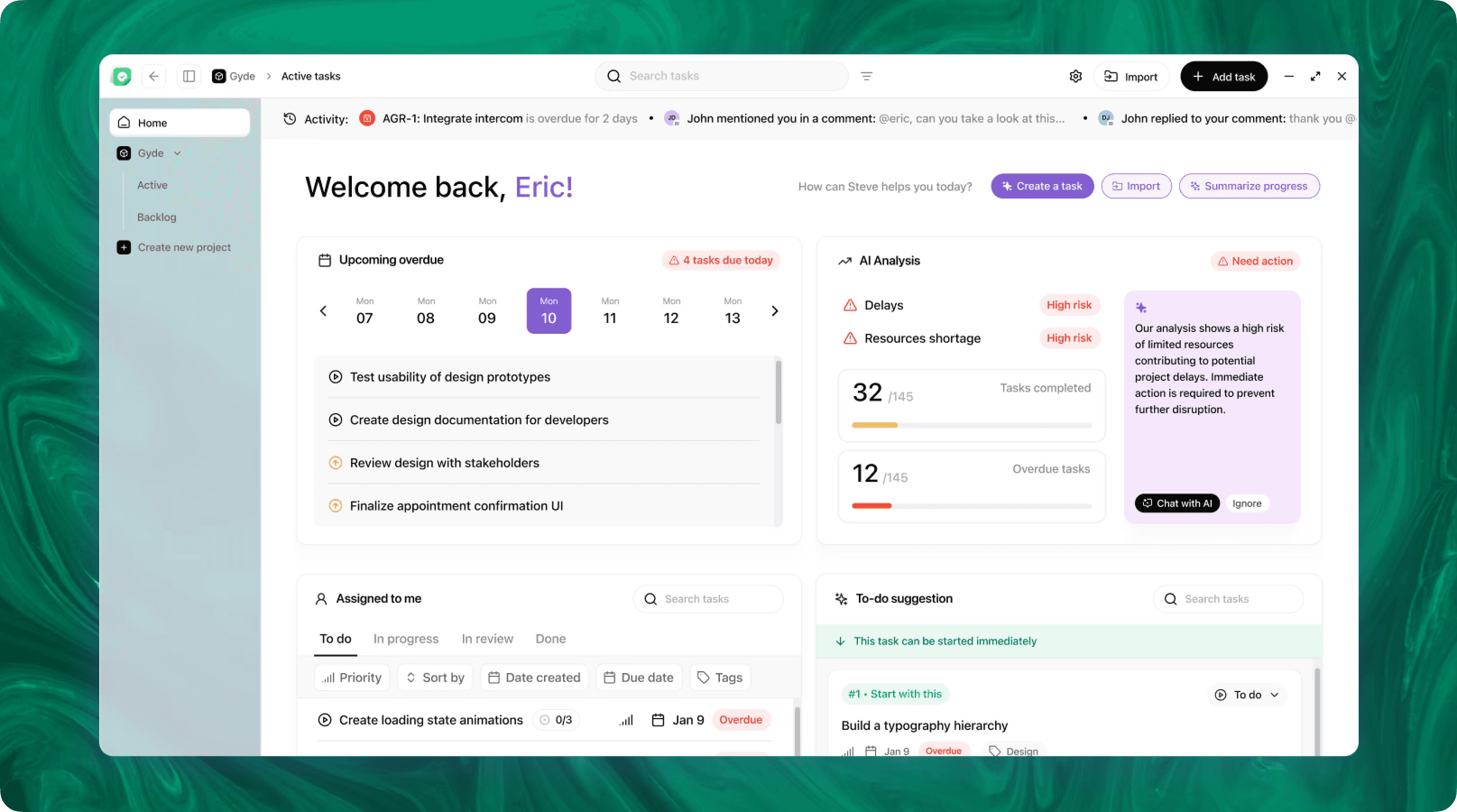
Steve is an AI-native operating system designed to streamline business operations through intelligent automation. Leveraging advanced AI agents, Steve enables users to manage tasks, generate content, and optimize workflows using natural language commands. Its proactive approach anticipates user needs, facilitating seamless collaboration across various domains, including app development, content creation, and social media management.
Conclusion
Closing the strategy-to-execution gap requires persistent context, executable plans, tight communication, and an orchestration layer that automates routine coordination. Steve, as an AI Operating System, embeds those capabilities: shared memory ensures alignment, task management converts goals into tracked work, AI Email keeps communication decisive, and Steve Chat ties tools and people together. The combined effect is a shorter feedback loop from intent to outcome—less time lost to interpretation, more time spent on validated execution.