From Reactive Work To Proactive Operations With Steve
Oct 7, 2026

Creating Contextual Continuity With Shared Memory: Shared memory lets AI agents retain and correlate context across incidents so future actions build on prior decisions.
Turning Inbox Overload Into Prioritized Action With AI Email: Smart tagging, summaries, and context-aware reply drafts convert email volume into prioritized, actionable items.
Centralized Orchestration Through Steve Chat And Integrations: A file-aware conversational surface that integrates calendars, docs, and trackers reduces app switching and surfaces cohesive next steps.
From Planning To Execution With AI-Powered Task Management: AI boards propose sprints, import tasks from prompts, and track execution to close the loop between planning and delivery.
Operational Outcome: Combining memory, inbox intelligence, conversational orchestration, and task automation converts firefighting into predictable, anticipatory workflows.
Introduction
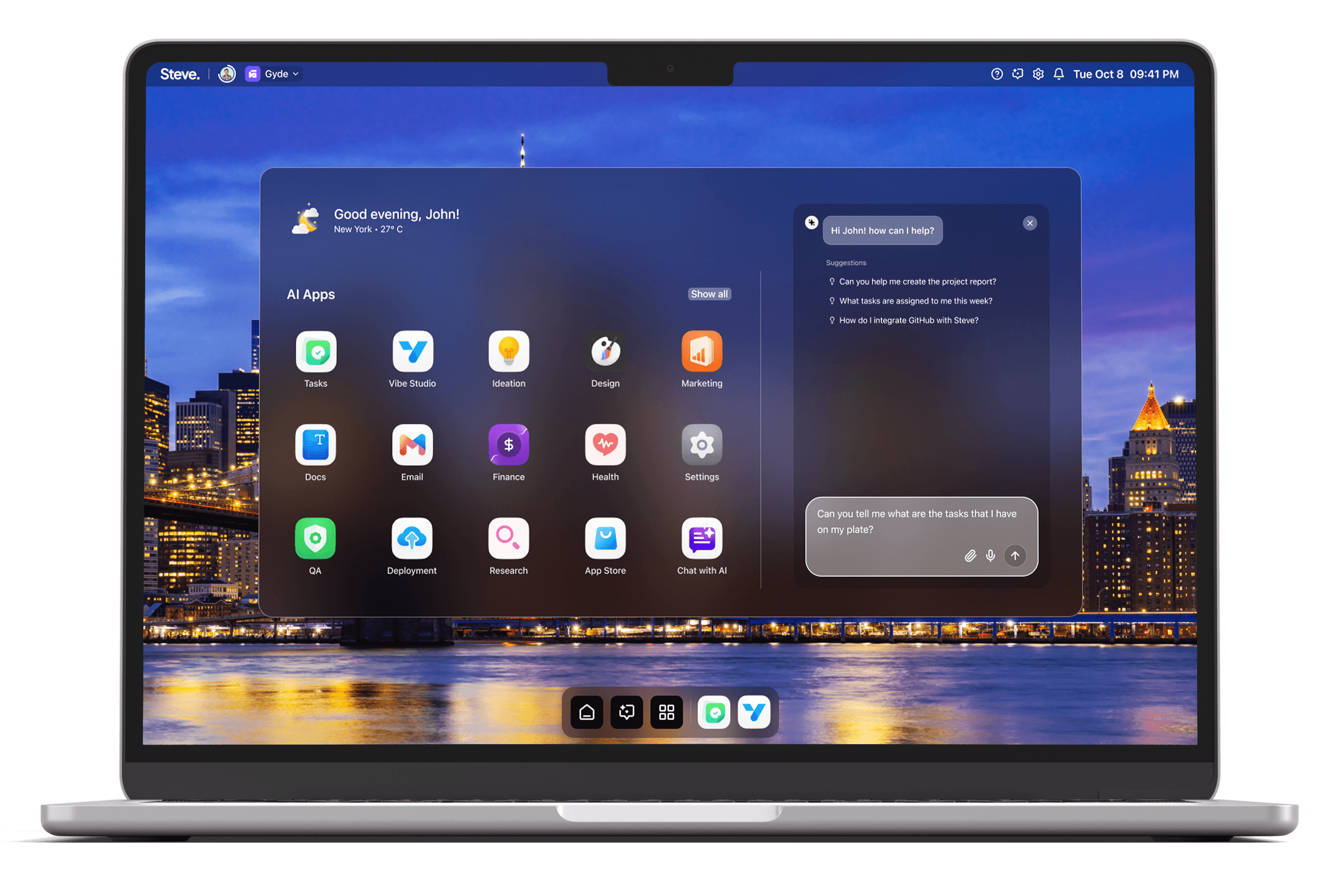
Moving from reactive firefighting to proactive operations requires more than speed; it demands continuous context, prioritized attention, and automated follow-through. Steve, an AI Operating System (AI OS), combines a shared memory fabric, a smart inbox, conversational orchestration, and AI-driven task management to shift teams from responding to yesterday’s crises to anticipating and executing on what matters next. This article explains how those building blocks convert noise into forward motion with concrete scenarios.
Creating Contextual Continuity With Shared Memory
Reactive work often repeats because systems forget prior decisions and context. Steve’s shared memory system lets AI agents retain and exchange context so actions accumulate instead of restarting. In practice, when a support ticket, design note, and roadmap update relate to the same customer problem, Steve’s agents reference the same memory entries and avoid duplicated discovery work.
Scenario: a product incident triggers messages across Slack, email, and issue trackers. Because Steve’s agents share memory, the system correlates the incident’s timeline, relevant documents, and prior fixes; subsequent queries return a single, coherent narrative. That continuity lets teams move from triage to root-cause planning without manual consolidation.
Turning Inbox Overload Into Prioritized Action With AI Email
Inbox volume drives reactive behavior. Steve’s AI Email reduces that drag by tagging, summarizing, and suggesting context-aware replies so critical conversations surface while routine threads get deferred or delegated. Summaries condense long threads into decision points; AI tags highlight escalations and ownership; draft suggestions speed aligned responses.
Scenario: a VP wakes to fifty messages. AI Email generates brief summaries for the ten highest-priority threads, tags urgent items, and proposes reply drafts that reference ongoing project context. The VP approves or edits a small set of replies, and Steve escalates or creates follow-up tasks where needed. The inbox becomes an input to proactive planning rather than a reactive deadline treadmill.
Centralized Orchestration Through Steve Chat And Integrations
Proactive operations need a single conversational surface that can act across calendars, documents, and services. Steve Chat provides that surface with sophisticated memory and direct integrations to calendars, email, Drive, Sheets, Notion, GitHub, and dozens more. The chat is file-aware and capable of scheduling, locating documents, and managing issues without switching apps.
Scenario: a program manager asks Steve in chat to prepare a stakeholder update. Steve locates the latest status in Drive, summarizes progress from recent emails, pulls open issues from GitHub, and suggests a draft update aligned to the team’s priorities. Because Steve Chat accesses shared memory, the draft reflects earlier decisions and outstanding risks, enabling the manager to send a focused update rather than a reactive, fragmented status note.
From Planning To Execution With AI-Powered Task Management
Planning without reliable follow-through keeps teams reactive. Steve’s task management boards use AI to propose sprints, import or create tasks from natural prompts, and track execution with context-aware automation. That closes the loop between identification of work and coordinated execution.
Scenario: after a retrospective, a product lead asks Steve to convert action items into an executable sprint. Steve’s task board imports tasks, suggests sprint boundaries, assigns tentative owners based on past activity in shared memory, and syncs with existing trackers. During the sprint, automatic updates and progress suggestions reduce status meetings and keep the team focused on outcomes rather than reassigning tasks in real time.
Steve
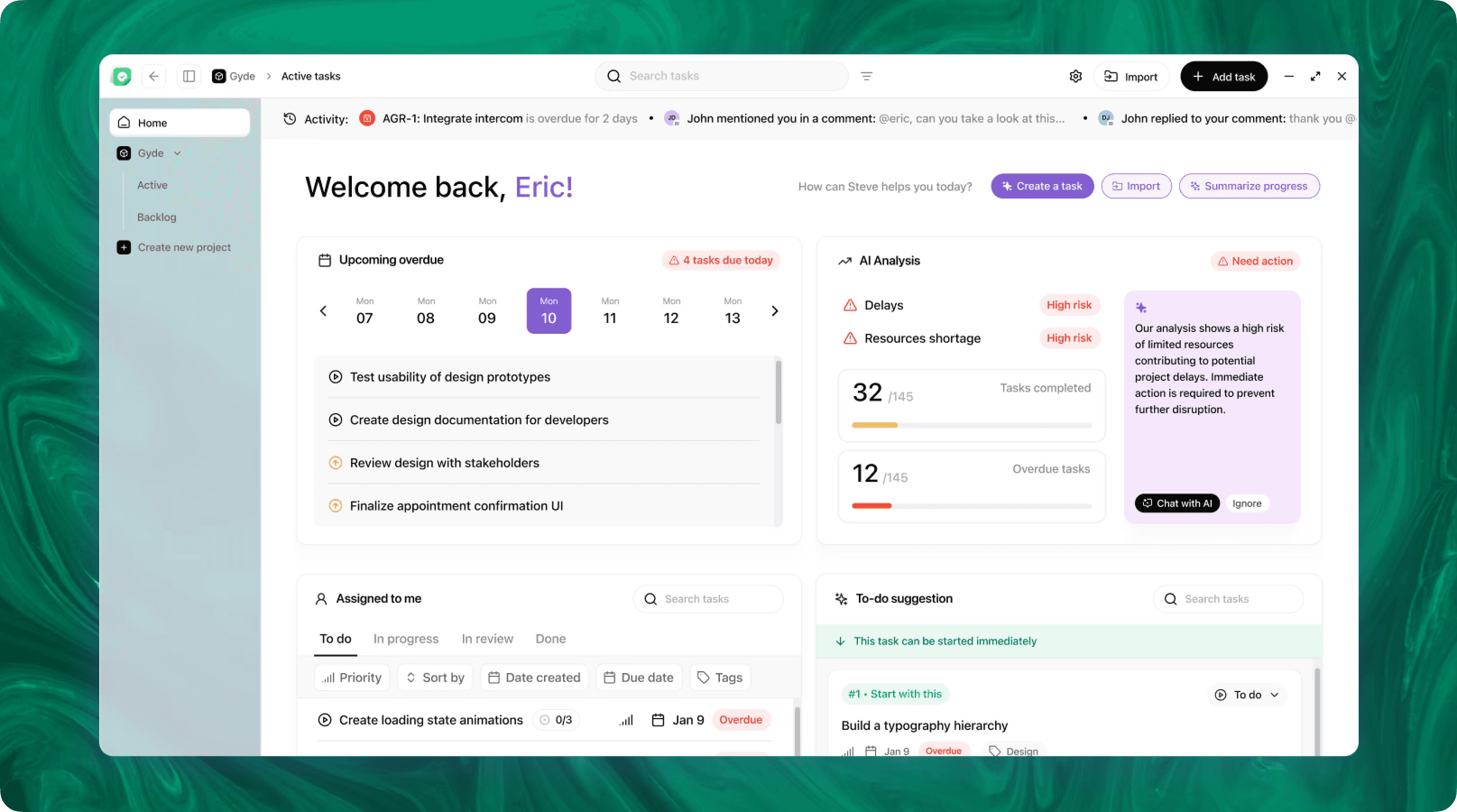
Steve is an AI-native operating system designed to streamline business operations through intelligent automation. Leveraging advanced AI agents, Steve enables users to manage tasks, generate content, and optimize workflows using natural language commands. Its proactive approach anticipates user needs, facilitating seamless collaboration across various domains, including app development, content creation, and social media management.
Conclusion
Reactive work thrives on fragmentation and forgotten context; proactive operations require persistent context, prioritized attention, conversational orchestration, and executional follow-through. As an AI Operating System, Steve unifies those capabilities: shared memory preserves continuity, AI Email turns inboxes into decision engines, Steve Chat coordinates across tools conversationally, and AI-powered task management translates plans into tracked sprints. Together, these capabilities convert day-to-day firefighting into a disciplined, anticipatory cadence that reduces churn and increases impact.