From Knowledge Silos To Shared Intelligence With Steve
Feb 20, 2026

Unified Context With Shared Memory: A persistent shared memory lets AI agents read and write the same context so knowledge stays consistent across teams.
Conversational Bridges Across Tools: Steve Chat links files and services into one conversational thread, making cross-functional evidence and decisions instantly accessible.
Inbox Intelligence To Surface Relevant Knowledge: AI Email summarizes threads, tags priorities, and drafts context-aware replies so critical information is visible and actionable.
Task Boards That Close The Loop: Task Management converts conversational or email-derived insights into context-rich tasks, reducing manual handoffs and rework.
Workflow Benefit: Combined, these capabilities accelerate decisions, reduce redundant queries, and create a single source of actionable truth.
Introduction
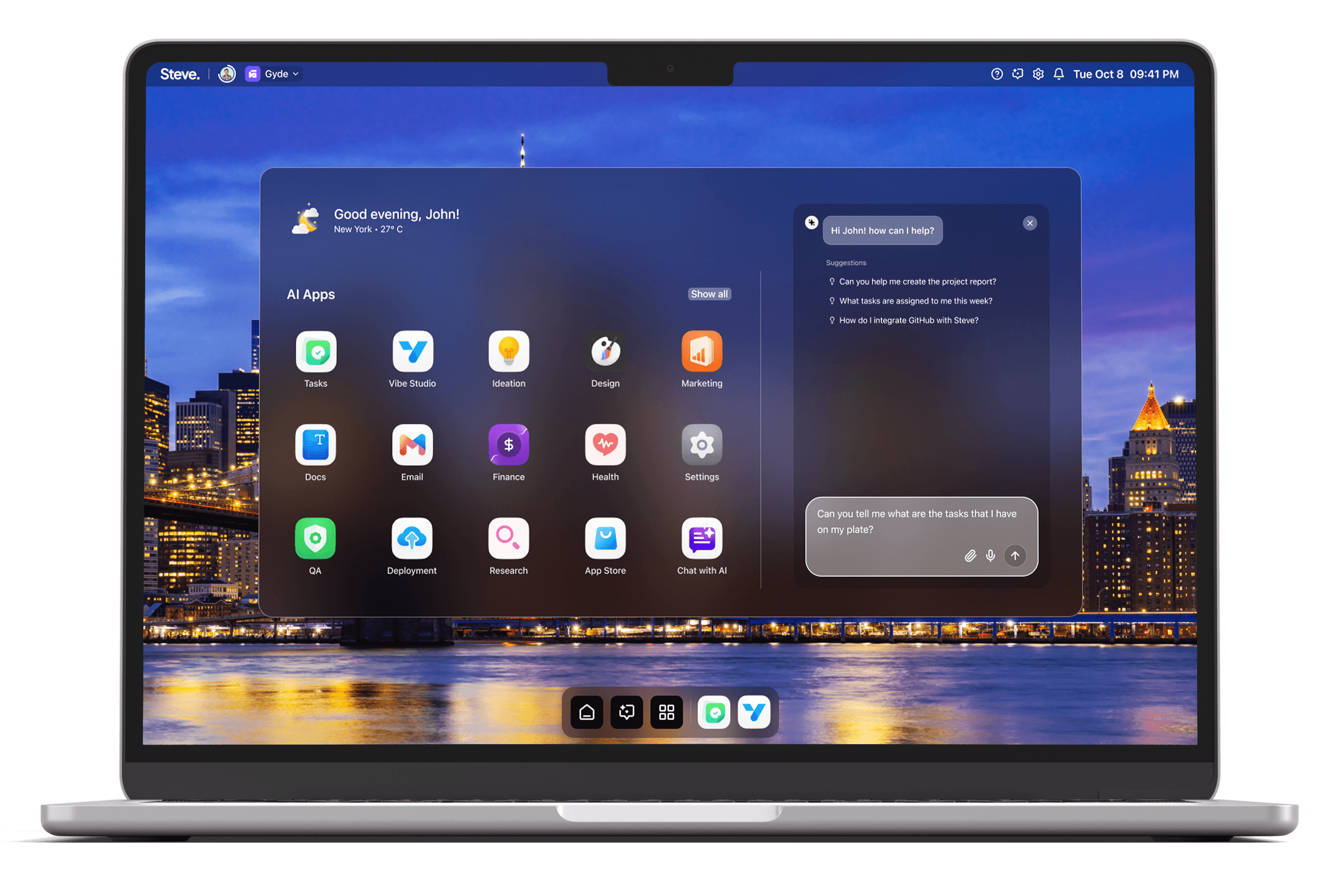
Moving from knowledge silos to shared intelligence requires infrastructure that captures context, connects people, and converts conversation into coordinated action. Steve is an AI Operating System built to do exactly that: it unifies memory across AI agents, surfaces relevant signals in email and chat, and turns insights into trackable work. This article shows how Steve’s shared memory, Steve Chat, AI Email, and Task Management break down silos and create a single source of actionable truth.
Unified Context With Shared Memory
Silos exist because information fragments across documents, conversations, and individual minds. Steve’s shared memory system gives AI agents a common, persistent context they can read and write. Rather than each tool reinventing history, agents reference the same facts, decisions, and project states so answers remain consistent across interactions.
Practical scenario: a product decision logged by one team becomes immediately available to customer support and sales agents; follow-up queries reference the same rationale, reducing repeated explanations and contradictory guidance. Shared memory also preserves rationale over time, so onboarding new team members or retracing a decision path becomes a matter of querying the collective context instead of hunting through inboxes and drives.
Conversational Bridges Across Tools
Steve Chat acts as the conversational hub that connects people, files, and services into a single workflow. With deep integrations—calendar, email, Drive, Sheets, Notion, GitHub, and many more—Steve Chat can find the document, verify the timeline, and surface the code or spec that matters, all within one thread.
In practice, a PM can ask Steve in plain language for the latest roadmap, attach the relevant spreadsheet, and ask the system to compare priorities against open issues in GitHub. Steve Chat is file-aware, so uploaded PDFs or spreadsheets become part of the conversation and feed responses with precise context. This conversational bridge accelerates cross-functional decisions because the same chat thread carries the evidence, the questions, and the recommended next steps.
Inbox Intelligence To Surface Relevant Knowledge
Email still holds critical context but often buries it in long threads. Steve’s AI Email turns the inbox into a knowledge surface: real-time sync, AI tags, thread summaries, and context-aware reply suggestions reduce the effort required to extract and act on information.
Consider a customer escalation that spans multiple long message exchanges. Steve’s summary and tagging features pull out the ask, the timeline, and proposed remedies; the AI can draft a reply that aligns with product constraints and company policy. Because the inbox connects to Steve’s shared memory and chat, that summary can feed a conversational follow-up or become the seed for a task on the management board without manual re-entry.
Task Boards That Close The Loop
Shared intelligence only improves outcomes when it converts into coordinated work. Steve’s Task Management boards integrate with external trackers like Linear and allow AI-driven proposals for sprints and task prioritization. When chat or email surfaces an action item, Steve can create a task, attach the contextual evidence from memory or the thread, and propose a timeline based on current workload.
A concrete use case: support flags a repeat bug in email; Steve summarizes the issue, creates a task with the attached logs and relevant GitHub issues, and suggests a priority based on customer impact. The engineering lead sees a context-rich task that links back to the original conversation and the shared memory entry—no manual stitching required.
Steve
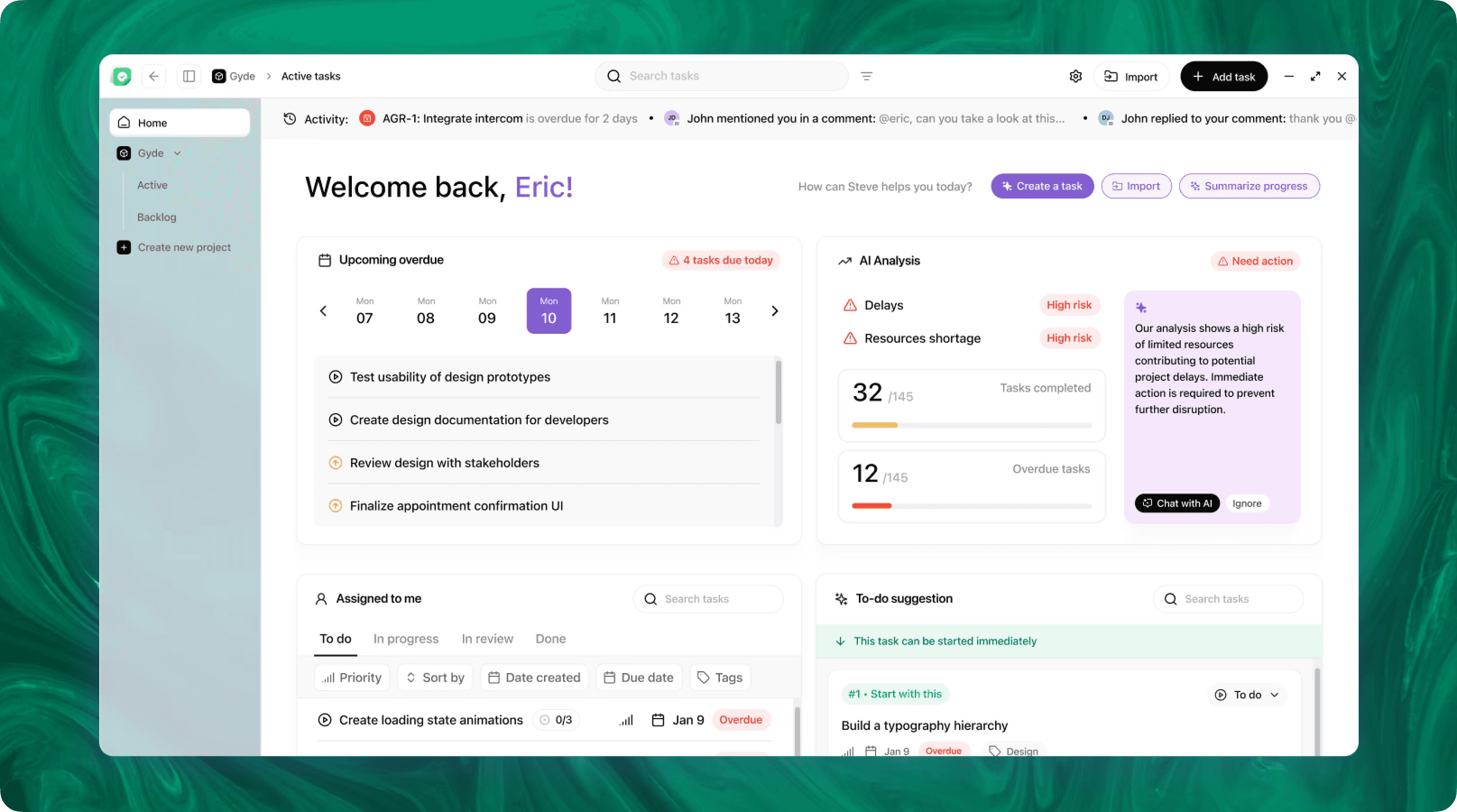
Steve is an AI-native operating system designed to streamline business operations through intelligent automation. Leveraging advanced AI agents, Steve enables users to manage tasks, generate content, and optimize workflows using natural language commands. Its proactive approach anticipates user needs, facilitating seamless collaboration across various domains, including app development, content creation, and social media management.
Conclusion
Breaking knowledge silos demands three capabilities: a persistent, shared context; conversational access that links tools and files; and a way to convert context into tracked work. As an AI OS, Steve delivers those capabilities: its shared memory ensures consistent context, Steve Chat connects people and services through file-aware conversation, AI Email surfaces and summarizes the signals that matter, and Task Management turns insights into accountable work. The result is faster decisions, fewer repeated inquiries, and a single source of actionable truth across the organization.