Designing Company Playbooks With Steve’s Shared Memory
Dec 4, 2025

Shared Memory As A Single Source Of Truth: A centralized memory ensures playbooks reference the latest policies, historical decisions, and role-specific notes across teams.
Contextual Playbook Drafting With Steve Chat: Conversational drafting pulls on uploaded files and past incidents so drafts embed real artifacts and lessons learned.
Operationalizing Playbooks Through Task Management: AI-generated tasks and sprint proposals translate written steps into tracked, assignable work for reliable execution.
Continuous Alignment With AI Email And Feedback Loops: Summaries, tags, and contextual reply drafts turn stakeholder feedback into actionable updates stored in memory.
Workflow Benefit: Combining shared memory, chat, email, and task automation shortens the path from intent to measurable adoption while preserving organizational context.
Introduction
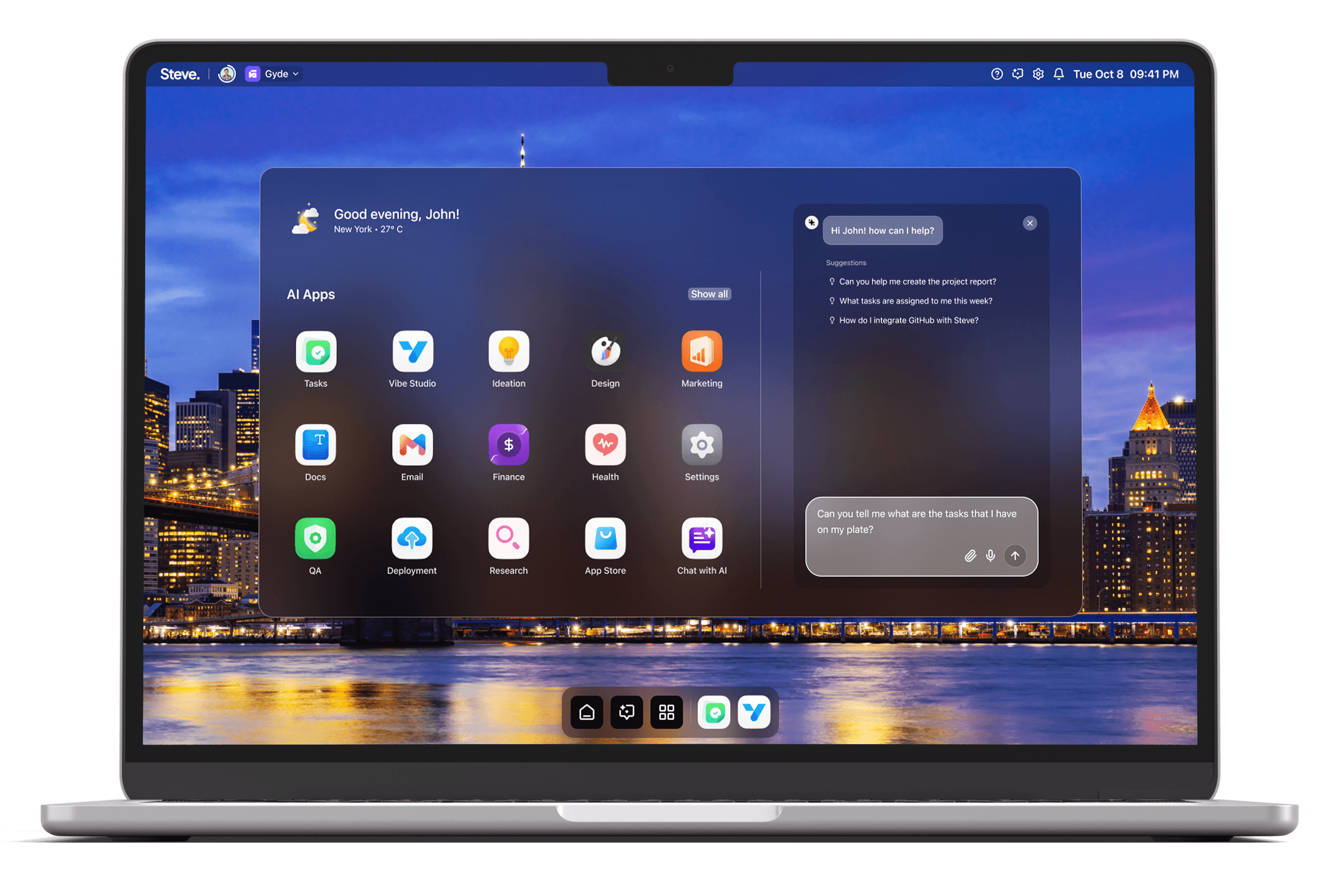
Designing company playbooks requires capturing procedures, decisions, and exceptions in a living system so teams execute consistently as the business evolves. Steve, an AI Operating System, makes playbook design practical by combining a shared memory that preserves context, an interactive chat that drafts and retrieves guidance, AI email for clear communications, and task management to operationalize steps. Use Steve to reduce ambiguity, accelerate rollouts, and keep playbooks synchronized across people and tools.
Shared Memory As A Single Source Of Truth
Steve’s shared memory lets agents and conversations reference the same contextual store so playbooks stay coherent across time and contributors. Instead of scattering checklists across documents, the shared memory surfaces the latest policies, historical decisions, and role-specific notes when writing or executing a playbook. Practical scenario: a head of customer success designs a churn-prevention playbook; shared memory automatically pulls prior win-back scripts, past metrics, and the team’s approved messaging so the new playbook reflects institutional knowledge rather than a single author’s view.
Contextual Playbook Drafting With Steve Chat
Steve Chat leverages sophisticated memory and rich integrations to draft, refine, and version playbooks through conversation. Authors can upload PDFs or spreadsheets, ask the chat to extract procedures, and iterate with follow-up prompts that reference uploaded files or past incidents. For example, while creating an incident response playbook, a lead engineer uploads postmortems and asks Steve to draft an escalation matrix that includes lessons learned; the chat returns role-specific steps and highlights edge cases found in prior incidents. This conversational loop keeps drafts grounded in real artifacts and previous outcomes.
Operationalizing Playbooks Through Task Management
Once a playbook defines who does what and when, Steve’s task management converts steps into executable workflows and tracks progress. The AI proposes tasks, organizes sprints, and integrates with issue trackers to assign work and measure completion. Consider launching a new sales onboarding playbook: Steve translates each onboarding step into tasks, schedules them, and suggests sprint groupings so managers can monitor adoption. The result is a visible, automated path from written procedure to measurable execution.
Continuous Alignment With AI Email And Feedback Loops
Playbooks must stay current; Steve’s AI Email feature keeps stakeholder communication tight and converts feedback into updates without manual context hunting. The inbox generates summaries of long threads, tags urgent items, and offers contextual reply drafts that reference playbook content in shared memory. In practice, weekly rollout check-ins produce concise summaries and action items that Steve converts into tasks and logs into memory—so feedback becomes part of the canonical playbook rather than an isolated email thread. This closes the loop between communication, execution, and institutional learning.
Steve
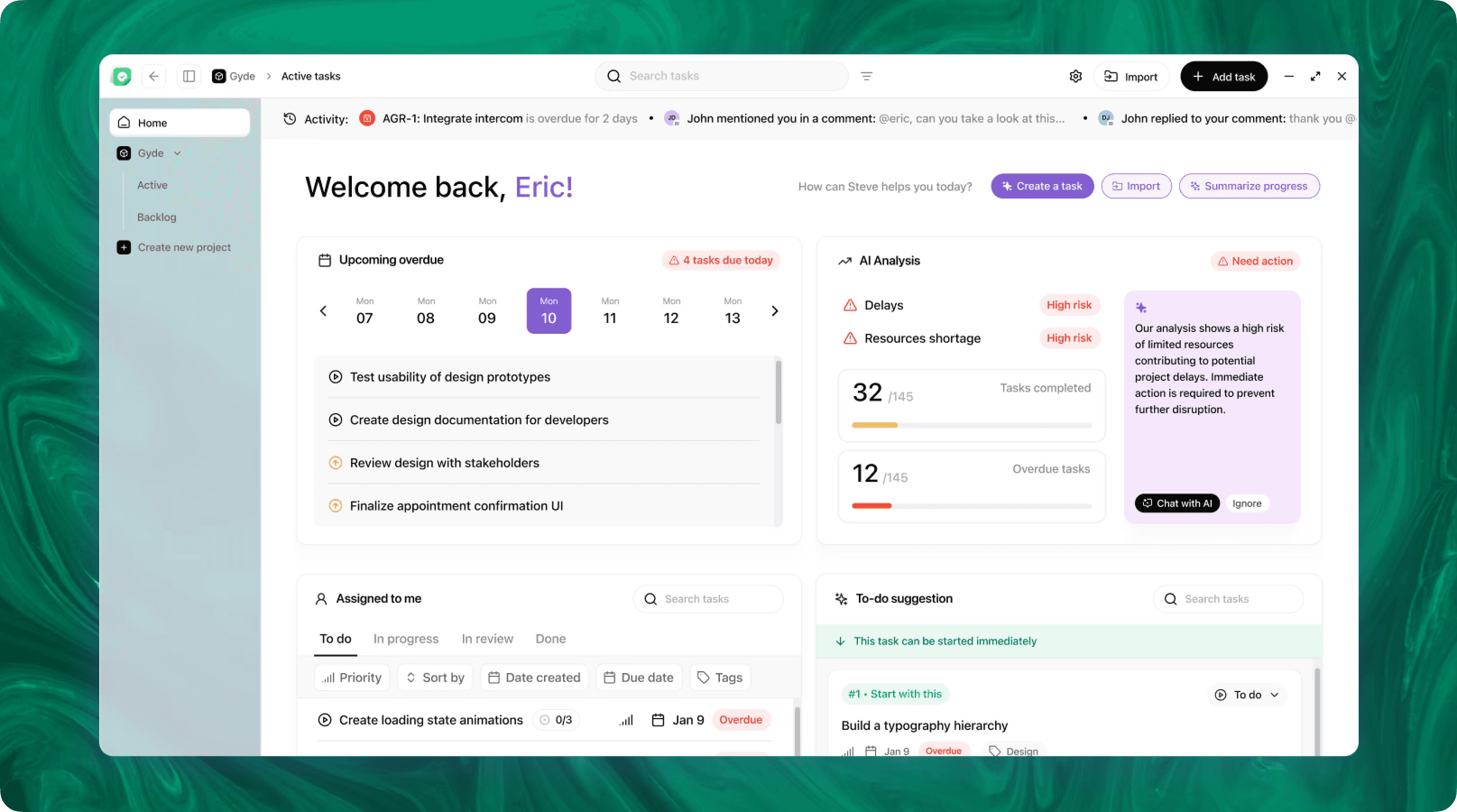
Steve is an AI-native operating system designed to streamline business operations through intelligent automation. Leveraging advanced AI agents, Steve enables users to manage tasks, generate content, and optimize workflows using natural language commands. Its proactive approach anticipates user needs, facilitating seamless collaboration across various domains, including app development, content creation, and social media management.
Conclusion
Designing company playbooks with Steve’s shared memory turns static documents into living systems: shared memory ensures a single source of truth, Steve Chat drafts and refines content using past artifacts, task management operationalizes steps, and AI Email closes feedback loops. As an AI OS, Steve reduces friction between intent and execution, making playbooks easier to create, adopt, and evolve while preserving organizational context and accountability.