Building Trust In Ai-Driven Operations Over Time
Oct 7, 2026

Memory That Preserves Context: Shared memory keeps decisions and constraints available across agents so outputs remain consistent and aligned with prior directives.
Observable Reasoning And Real-Time Evidence: Exposing step-by-step reasoning lets users inspect and correct AI conclusions before actions are taken.
Audit Trails And Continuous Improvement: LangFuse logging creates traceable conversation and action records that drive measurable improvements and compliance evidence.
Predictable Outputs And Human Oversight: AI Email summaries and context-aware drafts speed responses while preserving human approval and consistent communication.
Operational Trust Lifecycle: Combining memory, inspectability, logging, and editable outputs converts one-off confidence into sustained operational trust.
Introduction
Building trust in AI-driven operations over time requires consistent context, observable behavior, and accountable feedback loops; without these, adoption stalls and risk increases. Steve positions itself as an AI Operating System that addresses those demands by preserving conversational memory, instrumenting interactions for auditability, and providing context-aware outputs that teams can inspect and correct. This article explains how Steve’s shared memory, conversational platform, LangFuse logging, and AI Email capabilities combine to create predictable, reviewable AI operations that earn trust as they run.
Memory That Preserves Context
Trust starts with consistency: AI outputs must reflect past decisions, constraints, and corrective feedback. Steve’s shared memory system lets agents and conversations retain relevant state so recommendations remain aligned with prior directives and organizational context. In practice, a product manager who previously approved a security policy will see future change proposals framed around that policy without restating requirements; the platform applies remembered constraints to scheduling, task proposals, and email drafts.
A practical scenario: a team updates its release checklist mid-quarter. Steve’s shared memory records the change once and surfaces it whenever agents propose deployment steps, reducing surprise and preventing regressions. That single-source conversational memory compresses onboarding time for new team members and reduces the frequency of repeated clarifications, which over months builds confidence in the system’s institutional knowledge.
Observable Reasoning And Real-Time Evidence
People trust systems they can inspect. Steve Chat exposes step-by-step reasoning and improved loading visuals so users see how a conclusion was reached rather than accepting outputs blindly. When the AI outlines its thought process for a scheduling conflict or a document summary, stakeholders can evaluate assumptions and correct errors before automation commits changes.
Use case: an operations lead asks Steve to reconcile a vendor invoice with purchase orders. The chat returns a succinct conclusion plus the reasoning path and linked files; the lead verifies the logic, corrects a misread date, and instructs Steve to re-run the check. Visible reasoning shortens review cycles and converts opaque automation into an auditable, human-reviewable workflow.
Audit Trails And Continuous Improvement
Long-term trust requires traceability and measurable improvement. Steve integrates LangFuse for detailed chat logging and analytics, capturing conversation history and agent actions for post-hoc review and optimization. Those logs let teams identify recurrent errors, track changes in AI behavior after model updates, and create accountability records for compliance.
A scenario: quarterly audits reveal a pattern of ambiguous task assignments generated by the AI. By reviewing LangFuse logs, the team isolates the prompt patterns that lead to ambiguity and refines system directives; subsequent logs show a measurable drop in ambiguous assignments. This evidence loop turns audit findings into operational improvements and builds institutional confidence in automated processes.
Predictable Outputs And Human Oversight
Predictability grows when outputs are concise, consistent, and easy to correct. Steve’s AI Email tool produces thread summaries and context-aware reply suggestions so humans can validate communications quickly before sending. By standardizing summaries and draft language, teams maintain a consistent voice and reduce miscommunication risk while keeping final approval under human control.
Practical example: customer success receives a long escalation email. Steve generates a summary and a draft response aligned with past handling guidelines stored in memory; the account manager edits tone and approves. Over time, the combination of memory-driven context and editable drafts reduces response time while preserving human judgment, reinforcing trust that automation augments rather than replaces expertise.
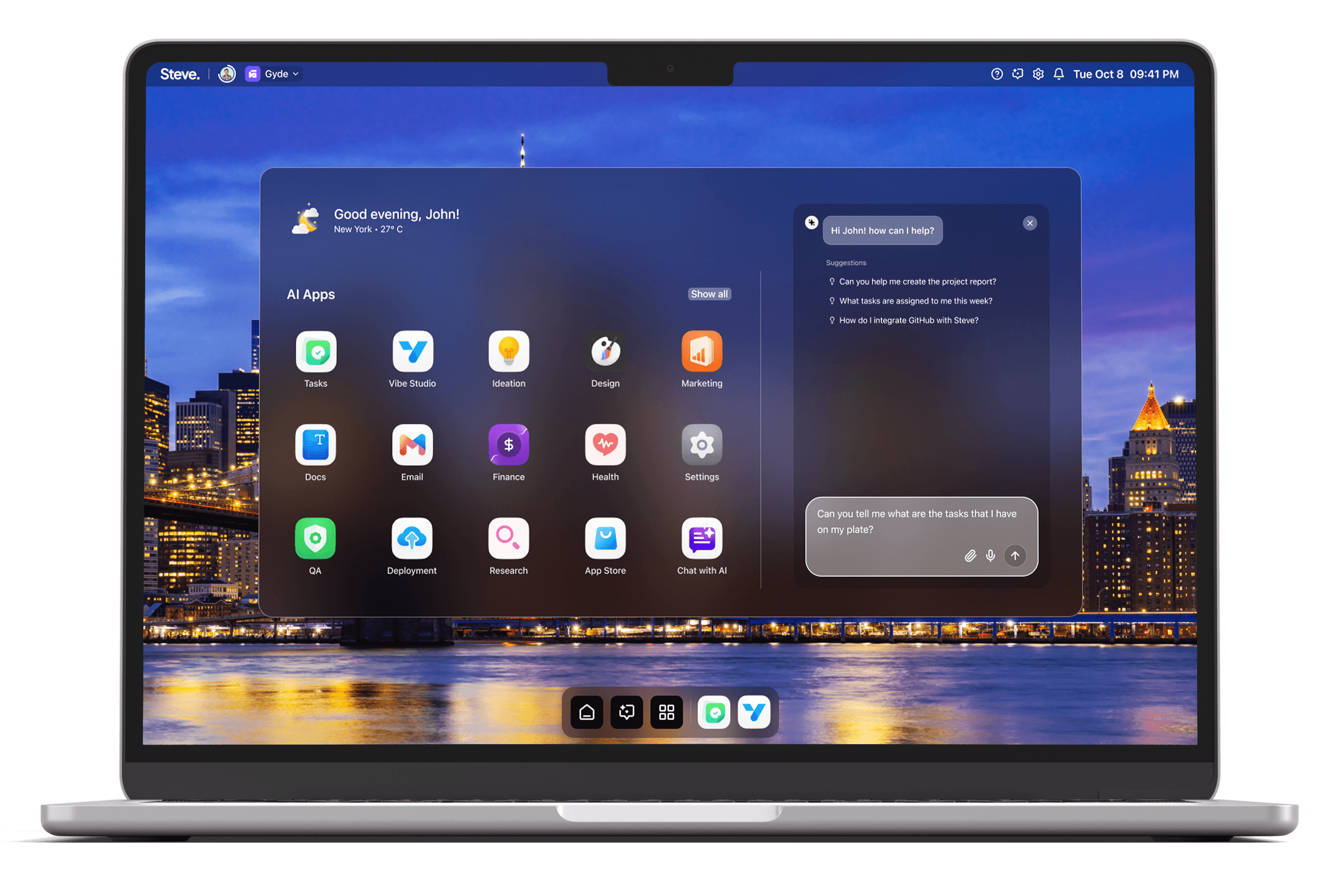
Steve
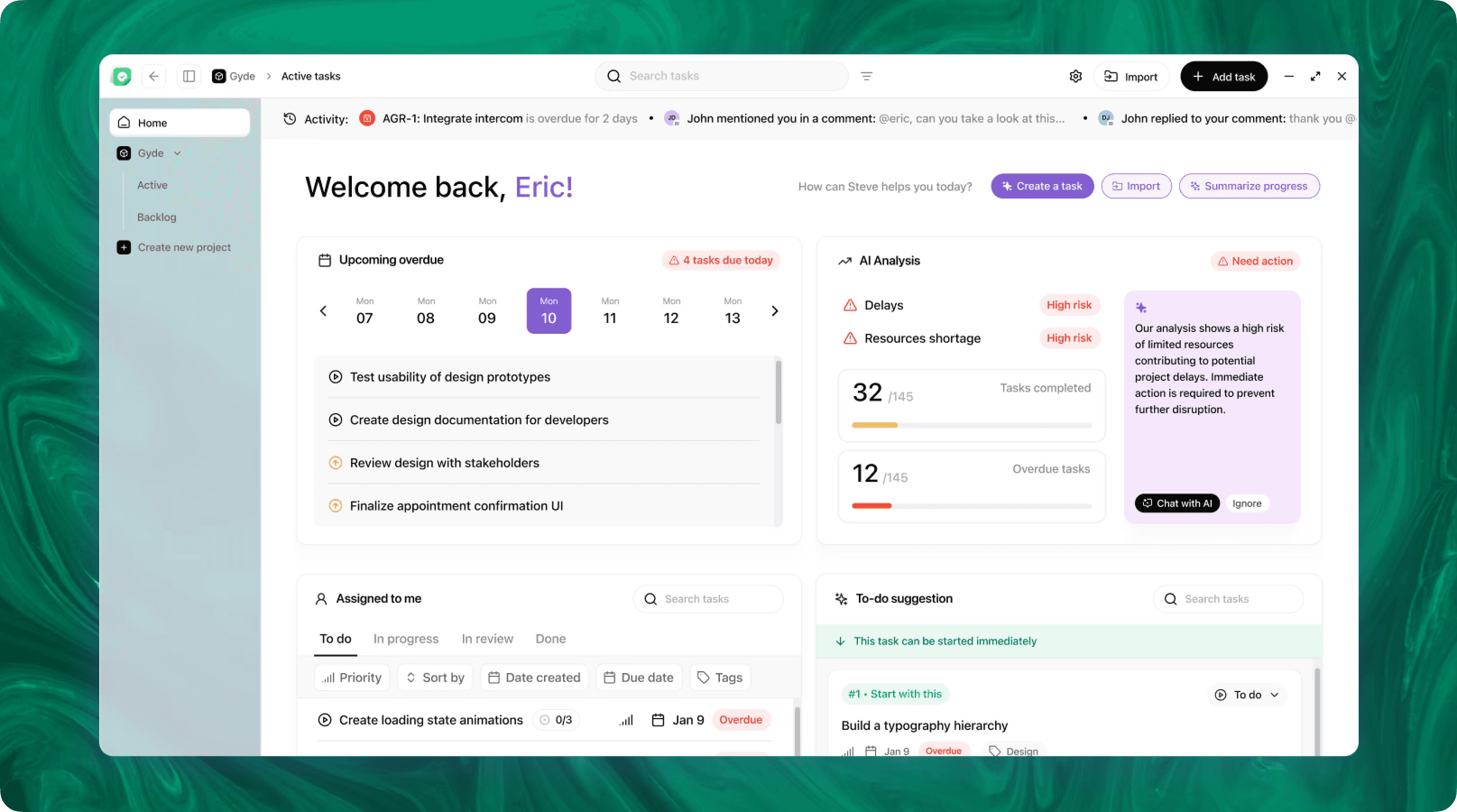
Steve is an AI-native operating system designed to streamline business operations through intelligent automation. Leveraging advanced AI agents, Steve enables users to manage tasks, generate content, and optimize workflows using natural language commands. Its proactive approach anticipates user needs, facilitating seamless collaboration across various domains, including app development, content creation, and social media management.
Conclusion
Building trust in AI-driven operations is an operational design—one that requires persistent context, visible reasoning, reliable audit trails, and human-in-the-loop controls. As an AI OS, Steve brings these elements together: shared memory ensures consistent context, Steve Chat makes reasoning inspectable, LangFuse provides logging for accountability, and AI Email standardizes, summarizes, and surfaces drafts for human approval. Together these capabilities convert momentary confidence into durable trust, enabling teams to scale automation with predictable outcomes and clear recourse.