Building Micro-Apps With Conversational Prompts
Dec 8, 2025

Natural Prompts To Production With Vibe Studio: Vibe Studio turns brief descriptions into runnable Flutter scaffolds that act as executable specifications for micro-apps.
Context-Rich LLMs For Smarter UI And Logic: OpenAI-powered models translate prompt constraints into validation and control flow, reducing ambiguous handoffs.
Device-Specific Previews For Responsive Micro-Apps: Multi-device previews expose layout and interaction issues early, enabling prompt-driven responsive adjustments.
Developer Mode For Rapid Refinement: An embedded secure VS Code lets engineers refine generated code in place, preserving traceability from prompt to implementation.
Workflow Benefit: Combining prompt generation, contextual LLMs, previews, and in-platform editing compresses review cycles and accelerates delivery of reliable micro-apps.
Introduction
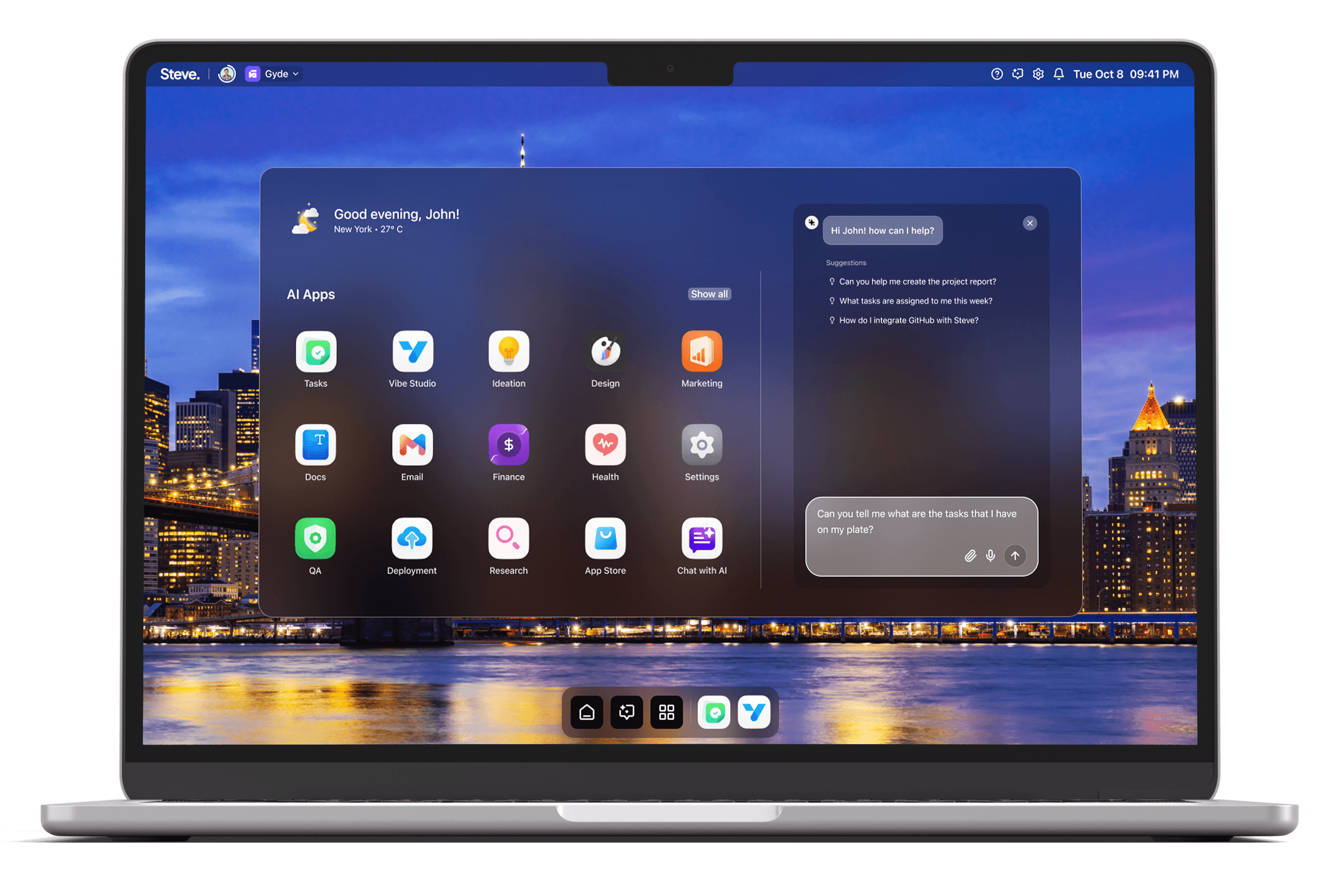
Building micro-apps through conversation reframes development: product thinkers describe intent, and codeable artifacts appear without lengthy handoffs. This pattern reduces ambiguity for small, focused tools such as dashboards, approval flows, or onboarding widgets. As an AI Operating System, Steve turns short, context-rich prompts into production-grade micro-app scaffolds, keeping design intent, previewability, and developer control tightly coupled. The result is a practical loop that accelerates delivery while preserving engineering handoff fidelity.
Natural Prompts To Production With Vibe Studio
Vibe Studio converts plain-language briefs into clean, scalable Flutter code so teams can generate runnable micro-apps from a single conversational exchange. A product manager can request "a two-step expense approval widget with amount validation and approver comments," and Vibe Studio outputs an interactive scaffold that reflects that brief. That scaffold acts as an executable specification: stakeholders can run flows, test edge cases, and confirm behavior before engineering invests time in full integration. By moving the first artifacts from static mock to working UI, Vibe Studio collapses review cycles and clarifies acceptance criteria for micro-apps that live inside larger platforms.
Context-Rich LLMs For Smarter UI And Logic
Steve’s OpenAI-powered LLMs enrich prompt-driven generation with contextual logic, translating constraints embedded in natural language into validation rules, conditional flows, and state handling inside the generated code. When a designer specifies "flag transactions over $1,000 and require manager approval," the LLMs synthesize validation hooks and decision branches that appear in the micro-app scaffold. That behavior-first output reduces rework because engineers inherit intent-laden code rather than reverse-engineering requirements from a mock. For micro-apps where correctness and small-surface UX matter, context-aware generation turns vague wishes into concrete, testable behavior.
Device-Specific Previews For Responsive Micro-Apps
Micro-apps must behave across form factors; device-specific previews let teams validate responsiveness immediately after a prompt. Steve’s previews show how a generated widget adapts on mobile, tablet, and desktop, exposing layout breaks, spacing issues, and interaction differences early. For example, a single prompt for a multi-column reporting tile will reveal whether a condensed mobile layout needs stacked cards or a collapsible view. That immediate visual feedback lets product and design teams refine prompts and constraints iteratively, ensuring micro-apps meet cross-device expectations before any downstream integration work.
Developer Mode For Rapid Refinement
When a prompt-generated micro-app requires production-grade adjustments, Developer Mode provides an embedded, secure VS Code editor so engineers can refine UI, tweak logic, or add accessibility attributes in place. This preserves the link between the original conversational intent and the final codebase: edits happen against the scaffold the prompt produced, not a disconnected artifact. A common workflow sees a prompt produce a billing approval micro-app, a designer request a copy or spacing change, and a developer open Developer Mode to add a custom validation or accessibility label—then replay previews to confirm behavior. That tight edit-preview cycle keeps iterations short and reduces the friction of merging intent into implementation.
Steve
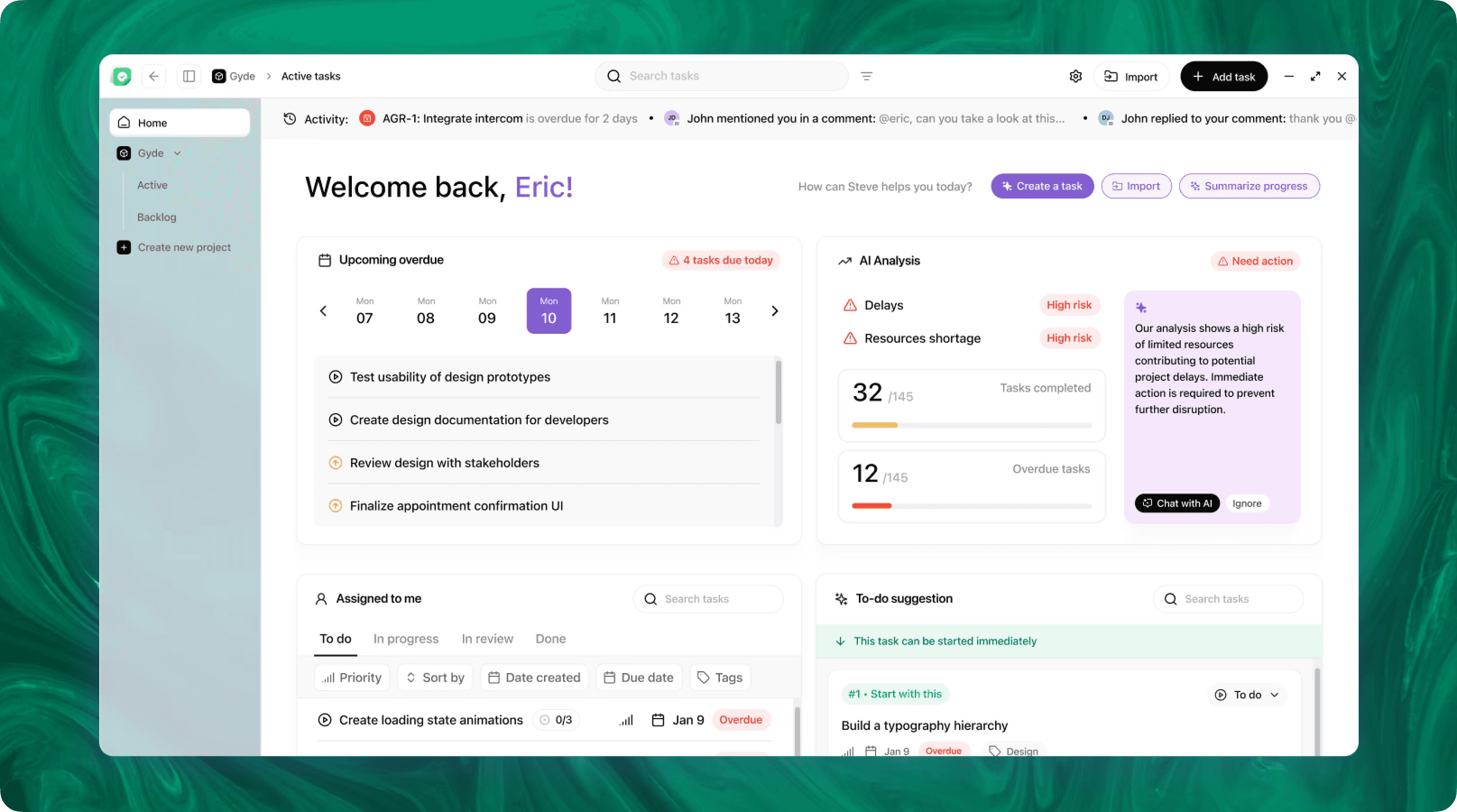
Steve is an AI-native operating system designed to streamline business operations through intelligent automation. Leveraging advanced AI agents, Steve enables users to manage tasks, generate content, and optimize workflows using natural language commands. Its proactive approach anticipates user needs, facilitating seamless collaboration across various domains, including app development, content creation, and social media management.
Conclusion
Conversational prompt workflows make micro-app development faster and less error-prone when the platform couples prompt-to-code generation, contextual intelligence, cross-device previews, and an integrated editing surface. As an AI OS, Steve assembles these capabilities so teams can describe intent, validate behavior, and refine implementation without losing context. For organizations that rely on small, composable apps to automate workflows, Steve shortens the path from idea to deployable micro-app while keeping control in developer hands and visibility in stakeholder conversations.