Building Department-Wide AI OS Migration Plans
Jan 26, 2026

Aligning Stakeholders With Shared Memory: Shared memory preserves migration context so decisions and requirements stay accessible across agents and teams.
Operationalizing Migration With Conversational Integrations: Steve Chat links calendars, files, and tools to automate scheduling and reduce coordination friction.
Coordinating Workflows Through Task Management: AI-powered task boards import issues, suggest sprints, and create an auditable execution trail for migrations.
Maintaining Communication And Prioritization With AI Email: Smart inbox summaries and context-aware drafts keep stakeholders informed and prioritize critical responses.
Practical Migration Scenario: Combining shared memory, chat integrations, task boards, and AI Email yields phased, traceable rollouts with fewer handoffs and faster decisions.
Introduction
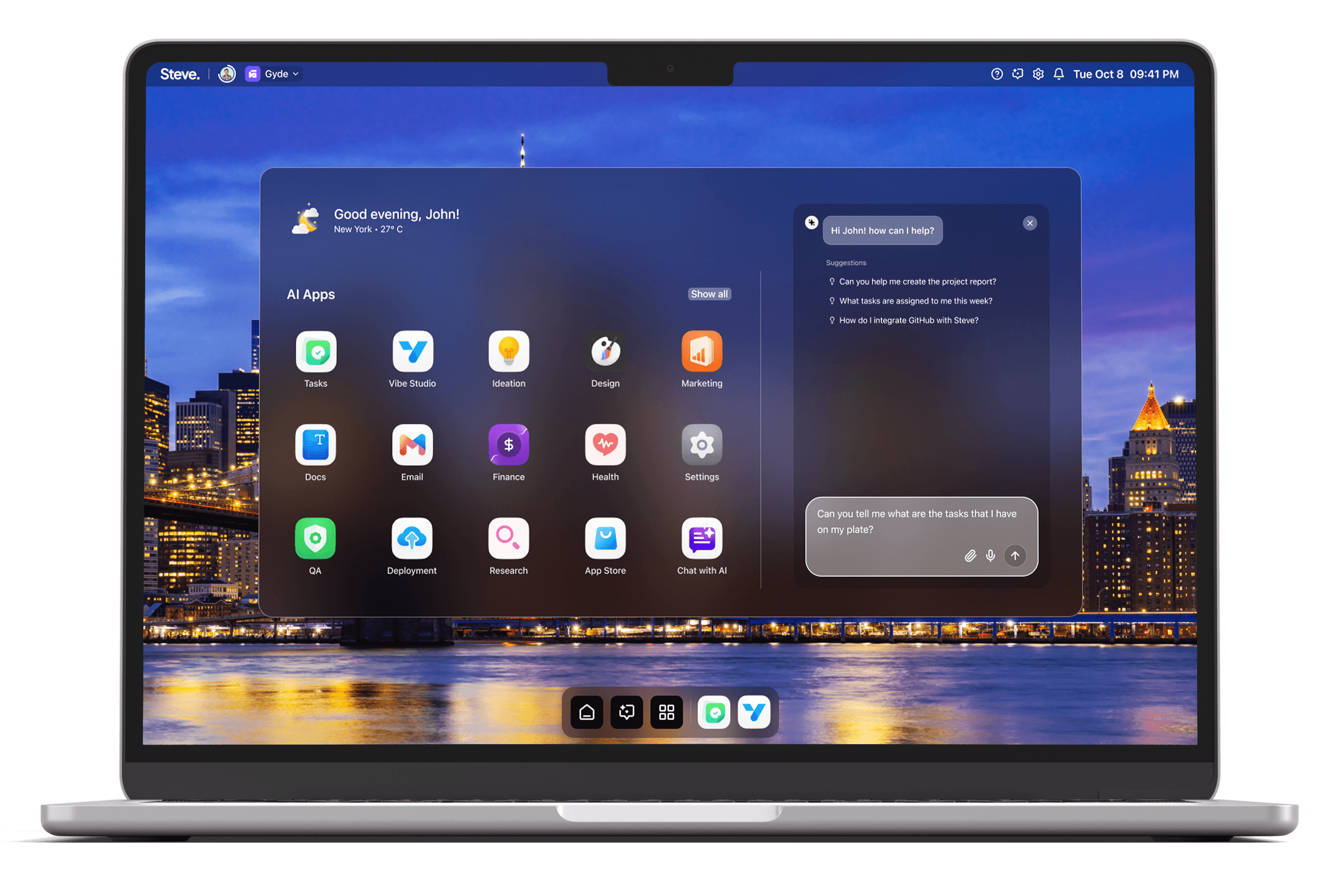
Building department-wide AI OS migration plans requires clear governance, predictable execution, and tight coordination across people, systems, and timelines. Steve, an AI Operating System, combines a conversational interface, shared memory for agent collaboration, integrated chat connections to core systems, and AI-driven task boards and email tooling to make migrations traceable, collaborative, and operationally efficient. This article maps practical migration activities to Steve capabilities so IT leaders can plan phased rollouts with less friction and more visibility.
Aligning Stakeholders With Shared Memory
Successful migrations depend on a single source of truth that preserves context as teams iterate. Steve’s shared memory system lets AI agents store and retrieve project context so migration decisions, requirements, and risk assessments remain available across conversations and tools. In practice, a migration lead captures audit requirements, compliance notes, and dependency maps once; Steve’s memory surfaces those items whenever an agent drafts runbooks, schedules cutovers, or answers stakeholder questions. This reduces rework caused by lost context and ensures documentation created during planning stays live during execution.
Operationalizing Migration With Conversational Integrations
Operational coordination happens through people and services; Steve Chat links both via direct integrations with calendars, email, drives, and issue trackers. Migration planners can ask Steve to schedule stakeholder reviews, surface relevant policy documents from Drive, or sync cutover tasks to calendars without switching apps. In a practical scenario, an engineer requests a test window, and Steve checks shared calendars, updates the migration timeline, and flags conflicts to the project channel. Those conversational workflows accelerate decision cycles and reduce coordination overhead across departments.
Coordinating Workflows Through Task Management
A department-scale migration requires cross-functional tasks, sprint planning, and progress tracking. Steve’s AI-powered task management boards consolidate tasks, propose sprint structures, and integrate with external trackers like Linear so teams keep a single execution view. For example, Steve can import open issues, group them by dependency and owner, and suggest a two-week sprint that minimizes downtime risk. The platform then updates boards as agents or people mark progress, producing an auditable execution trail that makes post-mortems and compliance reporting straightforward.
Maintaining Communication And Prioritization With AI Email
Change communication and stakeholder updates make or break adoption. Steve’s AI Email brings a smart inbox into the migration workflow by auto-tagging critical threads, summarizing long discussions, and drafting context-aware responses tied to project memory. During a migration, the communications lead receives a long vendor thread; Steve generates a concise summary, highlights action items, and drafts a reply aligned with the migration plan. This keeps stakeholders informed, preserves tone and compliance constraints, and helps teams prioritize responses that affect cutover windows.
Practical Migration Scenario: Phased Rollout
Combine these capabilities into a phased migration: capture constraints and dependencies into shared memory; use Steve Chat to align calendars and pull documentation; have Steve propose sprint-based work breakdowns on the task board; and rely on AI Email to maintain external communications. As each phase completes, agents update shared memory and task status so subsequent phases inherit validated context. This pattern reduces handoffs, shortens decision loops, and gives managers a consolidated dashboard for status and risk.
Steve
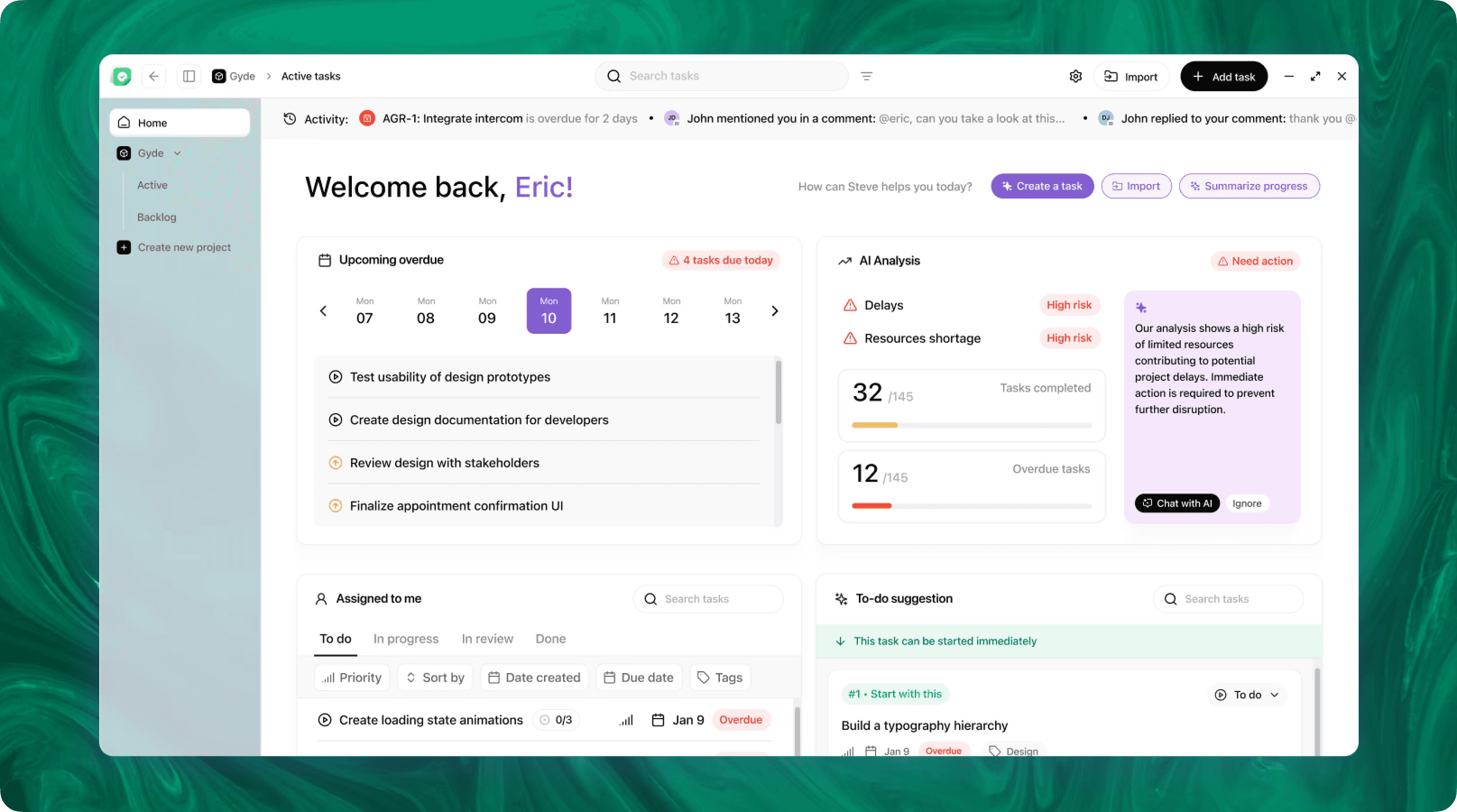
Steve is an AI-native operating system designed to streamline business operations through intelligent automation. Leveraging advanced AI agents, Steve enables users to manage tasks, generate content, and optimize workflows using natural language commands. Its proactive approach anticipates user needs, facilitating seamless collaboration across various domains, including app development, content creation, and social media management.
Conclusion
A department-wide migration to an AI OS demands repeatable coordination across documentation, scheduling, execution, and communication. Steve supports each of those pillars: shared memory preserves context, Steve Chat connects workflows to calendars and documents, task management formalizes execution, and AI Email keeps stakeholders synchronized. Using Steve as the operational backbone turns migration plans into observable, auditable, and adaptive execution — accelerating adoption while controlling risk.