Automating Project Postmortems Using Steve
Nov 4, 2025

Centralizing Evidence: Steve Chat integrations and file-aware uploads gather logs, docs, and tickets into a single shared memory for consistent context.
Automated Narrative Synthesis: LLM-driven reasoning transforms dispersed artifacts into coherent timelines, impact summaries, and root-cause hypotheses.
Inbox-to-Postmortem Linking: AI Email summarizes and tags relevant threads so decisions in email surface directly in the postmortem draft.
Actionable Follow-Through: Task Management converts findings into tracked tasks, proposing owners and priorities while preserving traceability.
Continuous Improvement: Shared memory plus chat logging maintains provenance and enables iterative refinement of postmortem formats and prompts.
Introduction
Automating project postmortems transforms a tedious, inconsistent ritual into a reproducible, evidence-driven process. Steve, an AI Operating System, centralizes context, synthesizes findings, and turns lessons into tracked actions so teams close knowledge gaps faster. This article shows practical ways Steve accelerates and improves postmortems using its shared memory, conversational workspace, intelligent inbox, and task management capabilities.
Centralizing Evidence And Context
Effective postmortems start with complete, searchable evidence. Steve Chat’s integrations with Google Drive, Sheets, GitHub, Notion, and 40+ services let teams pull logs, commit histories, documents, and tickets into one conversational workspace without manual exports. File-aware chat means you can upload a failure report, a spreadsheet of metrics, or a CI log and ask the system to extract timelines and anomalies.
Behind the scenes, Steve’s shared memory system holds that context so multiple AI agents can reference the same artifacts during analysis. Instead of fragmented notes across tools, the postmortem lives in a persistent memory that preserves decisions, assumptions, and source files. A practical scenario: after a failed release, an engineer pastes the deployment log into Steve Chat, links the related GitHub issue, and the shared memory retains all items so follow-up queries and automated summarization access the same corpus.
Generating Data-Driven Postmortem Narratives
Steve turns raw artifacts into coherent, actionable narratives. Using advanced LLM reasoning built into Steve Chat, teams can ask for a timeline, root-cause hypotheses, and impact estimates derived from uploaded files and synced data. The system synthesizes thread summaries, callouts of divergent metrics, and probable sequence-of-events without manual stitching.
AI Email complements that synthesis by summarizing long discussion threads and tagging messages by relevance, so decision points buried in inboxes surface in the postmortem draft. For example, product managers can ask Steve to compile the last two weeks of customer-reported incidents, attach the relevant support-email summaries, and generate a draft postmortem that highlights customer impact and remediation steps. Because the shared memory preserves source links, every claim in the narrative traces back to an original file or message.
Turning Findings Into Action
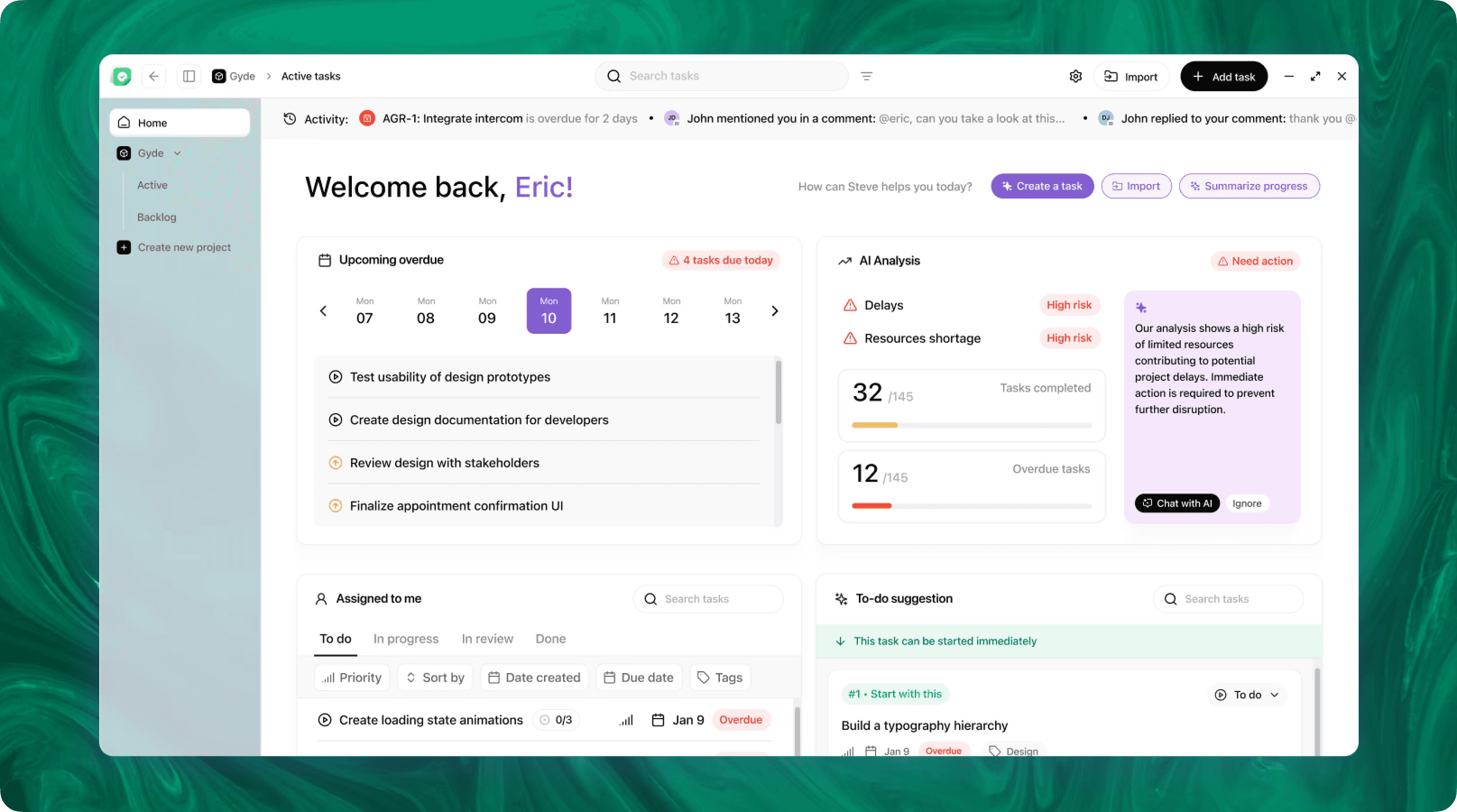
A postmortem's value depends on its follow-through. Steve’s Task Management boards automatically convert findings into tracked tasks and proposals for sprints. The AI proposes owners, priorities, and due dates based on context—importing related Linear issues or creating new tasks in the workspace—and keeps those actions linked to the original postmortem artifacts.
In practice, after the AI identifies a flaky test suite as a root cause, it can generate a remediation task, estimate effort from past sprint data, and propose a follow-up ticket. The shared memory keeps the task and postmortem connected so progress updates, new logs, or regression results feed back into the same context. That continuity prevents knowledge loss and ensures the next retrospective reflects actual closure rather than intentions.
Closing The Loop With Communication
Clear, timely communication completes an automated postmortem. Steve’s AI Email features provide instant, context-aware summaries of long threads and draft replies that align with decisions captured in the shared memory. Teams can send a concise incident summary to stakeholders with action items and links to tracked tasks without leaving the inbox.
Because Steve Chat supports conversational queries over files and integrates with calendars and messaging tools, you can schedule a follow-up review, sync notes to the project board, or ask the AI to generate a one-page executive brief. LangFuse-backed chat logging records interactions for audits and continuous improvement, enabling teams to refine prompts and reporting formats over time.
Steve
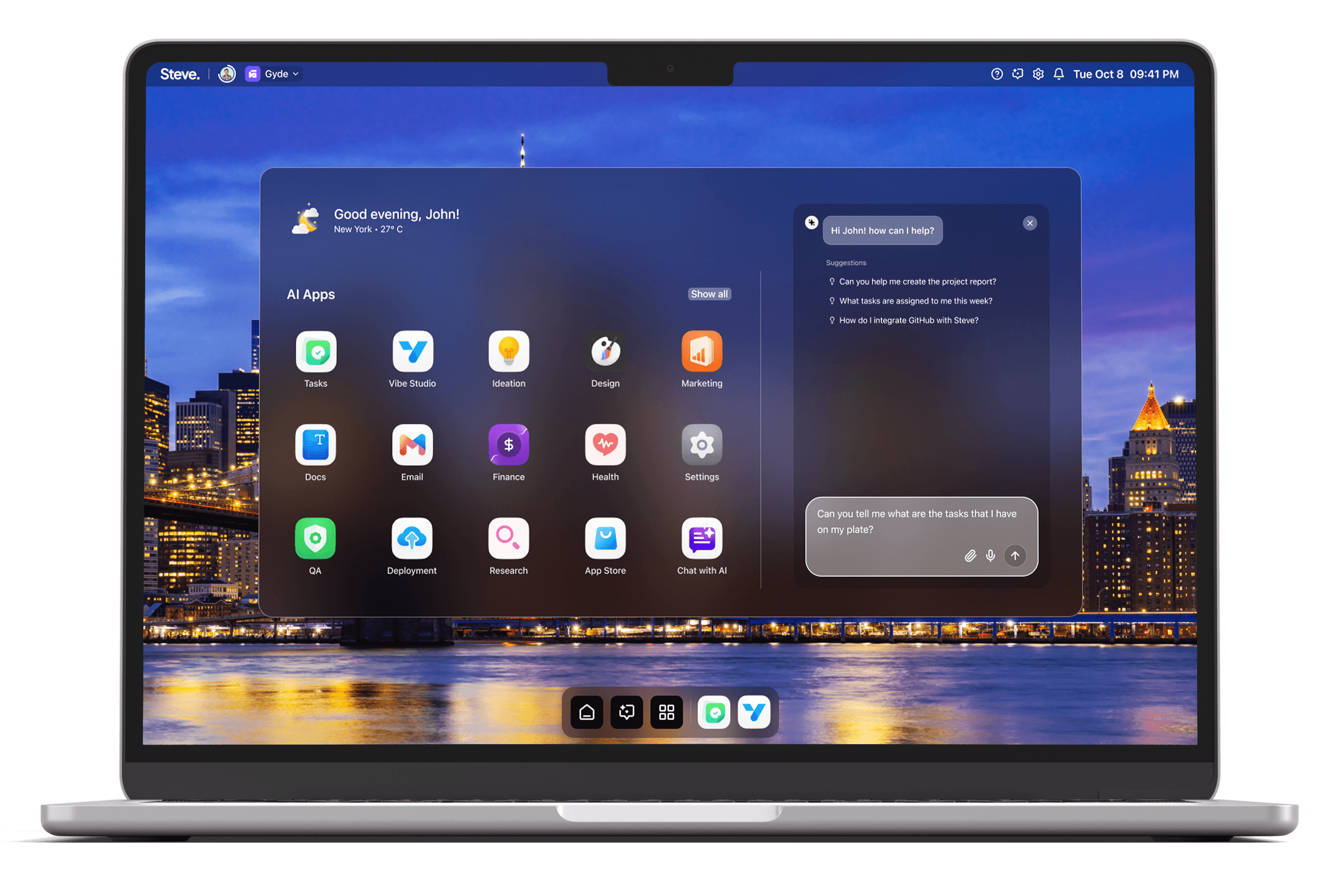
Steve is an AI-native operating system designed to streamline business operations through intelligent automation. Leveraging advanced AI agents, Steve enables users to manage tasks, generate content, and optimize workflows using natural language commands. Its proactive approach anticipates user needs, facilitating seamless collaboration across various domains, including app development, content creation, and social media management.
Conclusion
Automating postmortems with Steve reduces friction at every stage: it centralizes evidence, synthesizes data-driven narratives, converts findings into tracked work, and streamlines stakeholder communication. As an AI OS, Steve preserves context across agents and tools so lessons become durable and actionable rather than ephemeral. Teams that treat postmortems as an automated, integrated workflow close learning loops faster and improve reliability with less overhead.