Automating Multi-Language Content Localization With Steve
Jan 12, 2026

Contextual Memory For Consistent Voice: Shared memory stores glossaries and style rules so all localization agents apply the same brand constraints.
AI-Powered Translation And Contextualization: OpenAI-powered LLMs generate localized copy that respects register, character limits, and UX constraints from context-rich prompts.
Integrations And File-Aware Workflows: Steve Chat’s file awareness and integrations let teams pull source strings, write translations, and commit localized assets without manual file handling.
Task Automation And Delivery Tracking: AI-powered task boards create review passes, propose sprints, and track approvals to align localization with releases.
Operational Impact: Combining memory, LLMs, integrations, and task automation converts localization into a repeatable, auditable process that reduces rework and speeds delivery.
Introduction
Automating multi-language content localization means more than running text through a translator: it requires preserving tone, brand terminology, context, and delivery workflows at scale. Steve, an AI Operating System (AI OS) built around conversational agents, shared memory, and context-aware LLMs, provides a coordinated platform for automating localization while keeping humans in control. This article explains how Steve combines contextual memory, OpenAI-powered models, file-aware chat integrations, and task automation to turn scattered localization work into repeatable, auditable processes.
Contextual Memory For Consistent Voice
A primary failure mode in localization is inconsistency—the same phrase translated differently across pages, channels, or releases. Steve’s shared memory system lets AI agents store and retrieve style rules, glossaries, and locale-specific notes so every localization run references the same authoritative context. In practice, a product marketer uploads a brand glossary and tone guidelines once; Steve agents tag those rules to content units and apply them during translation passes. The result: consistent terminology across marketing pages, in-app copy, and help docs without manual cross-checking.
Practical scenario: when a UX writer updates a product name or legal phrasing, Steve records the change in shared memory and propagates it to agents handling localization, minimizing regressions in subsequent builds.
AI-Powered Translation And Contextualization
OpenAI-powered LLMs within Steve convert context-rich prompts into localized copy that goes beyond literal translation—adapting idiom, length constraints, and UX affordances for target platforms. Because the models operate in the same environment that houses brand context, they can produce translations that respect word limits for UI elements, preserve register for marketing headlines, and generate alternate variants for A/B tests. Steve’s conversational interface lets localization leads iterate on phrasing in real time until localized text aligns with campaign goals.
Practical scenario: a product launch requires succinct notification copy for eight languages with region-specific legal disclaimers. Using a single prompt, Steve generates language variants tuned for character limits and legal templates, while annotating each string with reasoning and confidence scores so reviewers focus where nuance matters most.
Integrations And File-Aware Workflows
Steve Chat is file-aware and integrates with Google Drive, Sheets, GitHub, and other content sources, enabling end-to-end localization pipelines without manual file juggling. Localization teams can ask Steve to pull source strings from a spreadsheet, generate localized versions, commit updates to a repository branch, or export translated assets back to Drive. That conversational orchestration reduces handoffs and eliminates error-prone copy-paste steps.
Practical scenario: a localization manager instructs Steve to sync the latest glossary from Drive, translate updated UI strings in a specified repo branch, and create a pull request with the localized files—then reviews the diff inside the chat before merging. Steve’s file-awareness preserves traceability by keeping the original and translated artifacts linked to the same conversational context.
Task Automation And Delivery Tracking
Steve’s AI-powered task management capabilities coordinate the human steps that remain: review, legal approval, and release scheduling. By creating tasks, proposing sprints, and tracking progress, Steve automates assignment of review passes by locale and notifies reviewers when context changes require re-approval. This keeps localization work aligned with engineering sprints and marketing calendars.
Practical scenario: after automated translation, Steve creates a review board that assigns native speaker reviewers per language, schedules review windows based on launch dates, and escalates overdue items—ensuring localized content meets quality gates before deployment.
Steve
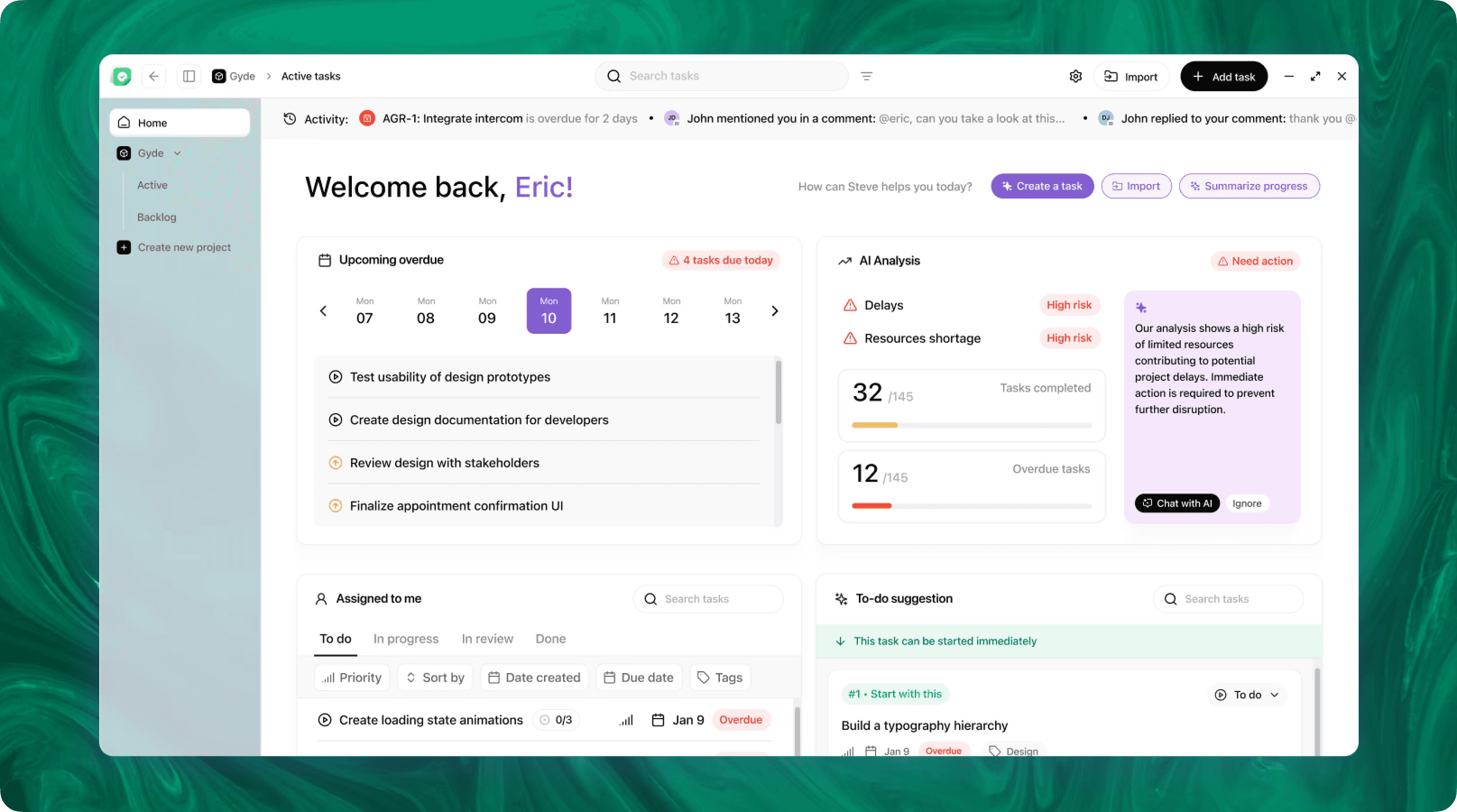
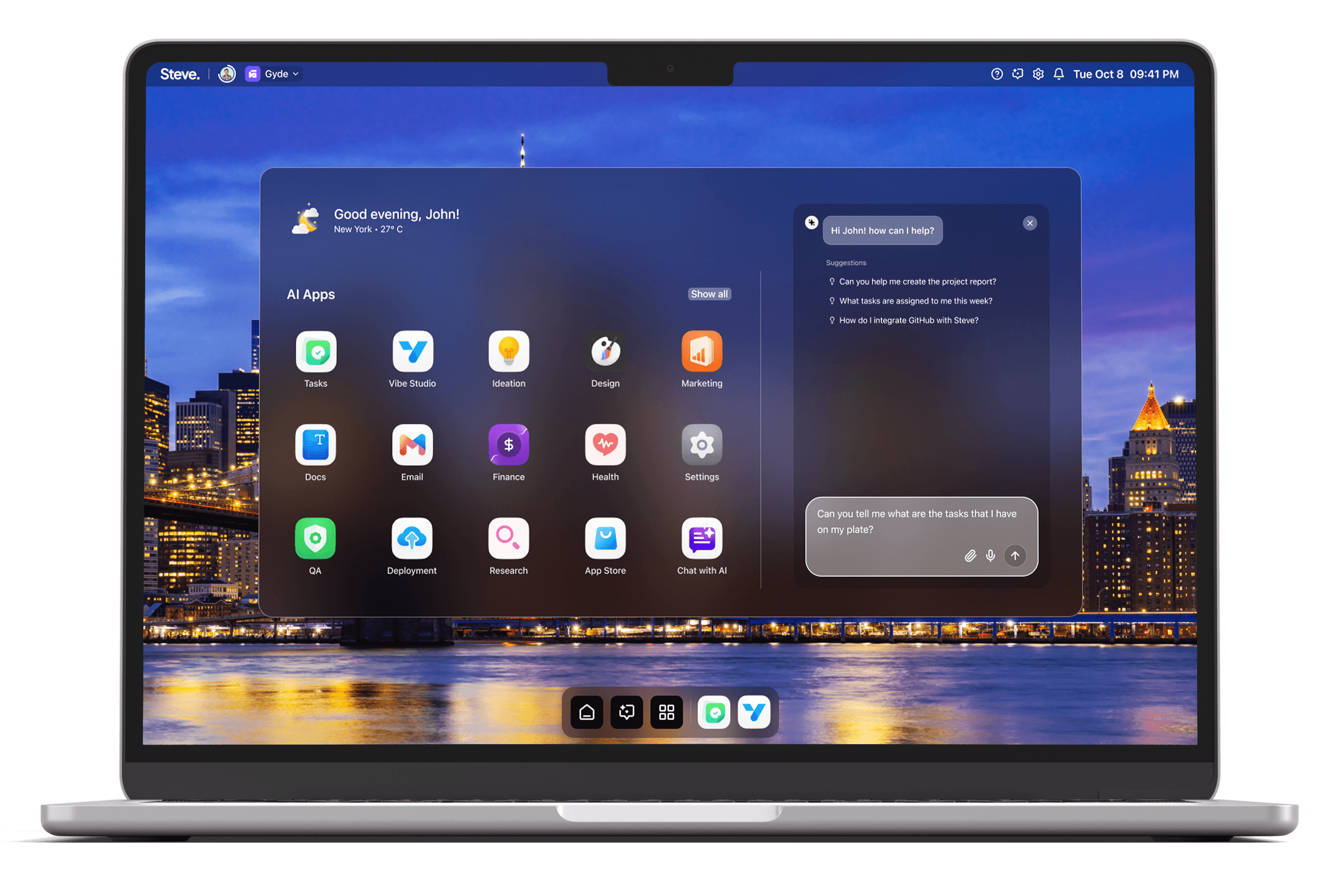
Steve is an AI-native operating system designed to streamline business operations through intelligent automation. Leveraging advanced AI agents, Steve enables users to manage tasks, generate content, and optimize workflows using natural language commands. Its proactive approach anticipates user needs, facilitating seamless collaboration across various domains, including app development, content creation, and social media management.
Conclusion
Automating multi-language content localization with Steve combines shared memory for consistent voice, LLM-driven contextual translation, file-aware integrations for seamless asset movement, and task automation for governed delivery. As an AI OS, Steve turns localization from a fragmented, manual pipeline into an auditable, repeatable system that scales across products and markets while preserving brand intent. Teams that adopt this approach reduce revision cycles, improve consistency, and release localized experiences faster and with greater confidence.