Automating Internal Policy Acknowledgments With AI
Jan 22, 2026

Policy Distribution And Contextual Summaries: AI Email produces role-specific summaries and context-aware notifications that reduce confusion and increase engagement.
Conversational Acknowledgment Workflows: Steve Chat enables interactive, file-aware conversations that let employees clarify terms and record acknowledgments without switching tools.
Shared Memory For Consistent Context: A shared memory system preserves vetted explanations and distribution state so future interactions remain consistent and discoverable.
Tracking, Reporting, And Compliance Workflows: Task Management converts acknowledgments into monitored workflows with reminders, dashboards, and escalation paths.
Auditability And Analytics: Steve Chat’s detailed chat logging supports traceable records and analytics that verify who received, asked about, and acknowledged policies.
Introduction
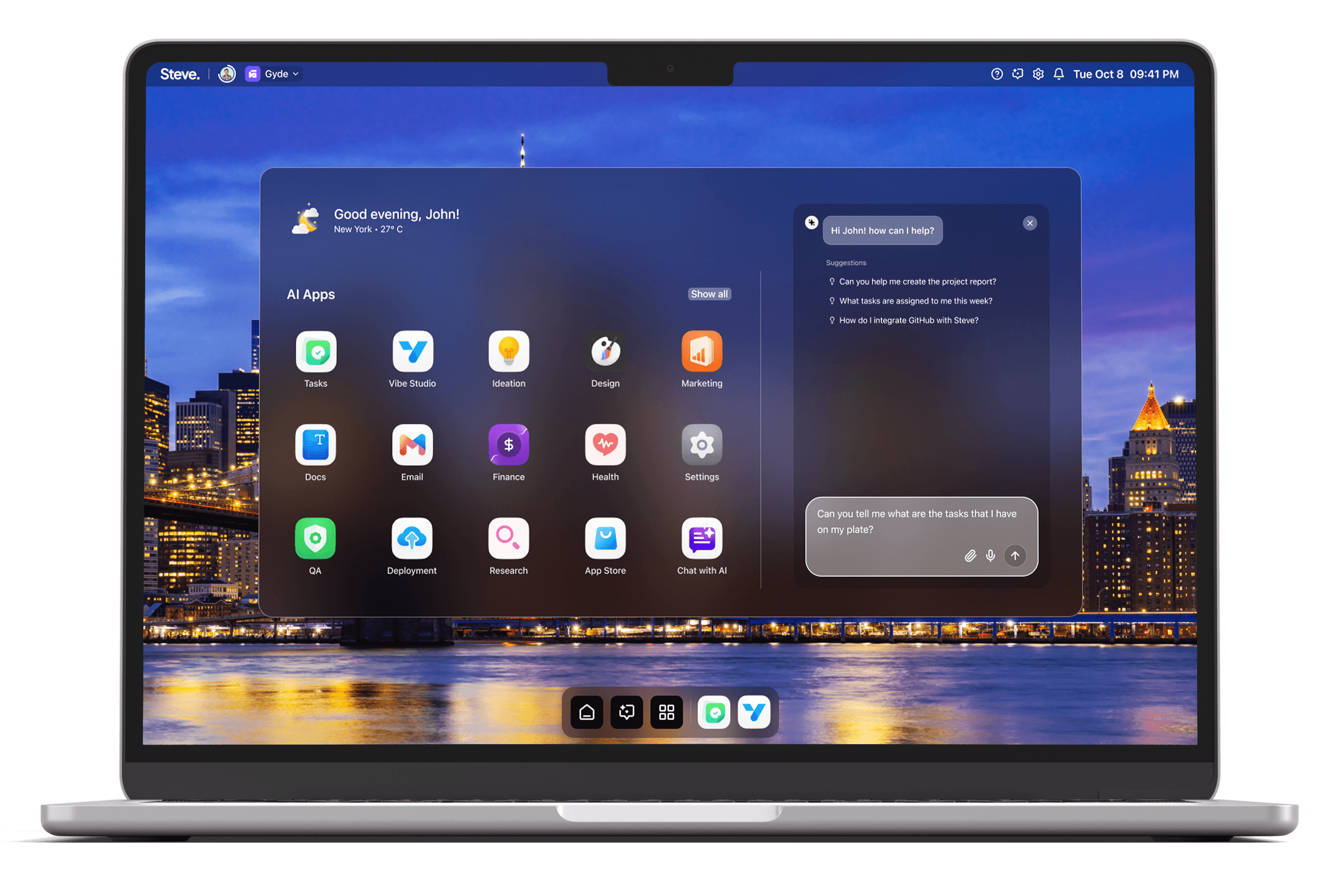
Automating internal policy acknowledgments reduces risk, saves administrative time, and creates auditable records of employee compliance. Steve, an AI Operating System, streamlines that process by combining conversational interfaces, integrated inbox intelligence, persistent cross-agent memory, and task-oriented workflows. This article shows practical ways Steve enables automated distribution, personalized explanation, conversational acknowledgment, and reliable tracking without replacing existing HR or compliance systems.
Policy Distribution And Contextual Summaries
Distribution is only useful when recipients understand why a policy matters. Steve’s AI Email provides a single-pane smart inbox that tags and categorizes policy messages, summarizes long or technical updates, and drafts context-aware notifications for different audiences. Instead of sending a generic PDF, compliance teams can have Steve generate short, role-specific summaries explaining the change’s impact on engineering, sales, and customer support.
A practical scenario: a security update requires software engineers to rotate credentials within 72 hours. Steve drafts an email thread that highlights the technical steps, embeds links to relevant docs, and includes a concise summary for nontechnical managers. The AI Email’s thread summarization reduces follow-up questions and increases the chance that recipients read and act on the requirement.
Conversational Acknowledgment Workflows
Acknowledgment rates improve when signing is simple and conversational. Steve Chat enables interactive dialogs that guide employees through policy language, answer clarifying questions, and record explicit consent within the same conversational flow. Because Steve supports file-aware uploads and real-time web context, employees can ask about specific clauses and receive precise, referenced answers before they acknowledge.
In practice, an employee receives a prompt in the chat: "Review the updated Remote Work Policy." The chat presents a short summary, offers an FAQ tailored to the employee’s location and role, and asks for an electronic acknowledgment. When the employee types or clicks to confirm, Steve captures the acknowledgment and associates it with the employee’s profile and relevant document. That conversational approach reduces friction compared with separate e-signature tools and keeps the context of the acknowledgment directly tied to the explanation the employee received.
Shared Memory For Consistent Context
Steve’s shared memory system lets agents retain policy context across conversations and tools so acknowledgments stay consistent and discoverable. Memory stores the state of distribution campaigns, which employees have been notified, and any clarifying Q&A that has become canonical. When a manager queries compliance status, Steve can reference that shared memory to explain which teams completed acknowledgments and surface common misunderstandings.
A practical scenario: multiple employees ask similar questions about a confidentiality clause. Steve preserves the approved clarifying answer in shared memory so future interactions return the same, vetted explanation. That reduces contradictory guidance, helps training teams build targeted follow-ups, and ensures that audit trails reflect a single source of truth for policy interpretation.
Tracking, Reporting, And Compliance Workflows
Task Management in Steve turns acknowledgments into actionable pipelines with deadlines, reminders, and dashboards. Compliance owners can create a policy-acknowledgment board, assign groups, and let Steve propose sprint-like timelines to reach full coverage. The system links the conversational acknowledgments captured in Steve Chat and the distribution metadata from AI Email to generate live progress reports.
For example, when a policy rollout hits 60% completion, Steve can automatically create reminders for the remaining groups, surface managers who need to intervene, and log the activity against the policy task. These task boards also help coordinate follow-up training or escalations, keeping planning and execution in one contextual workspace.
Steve
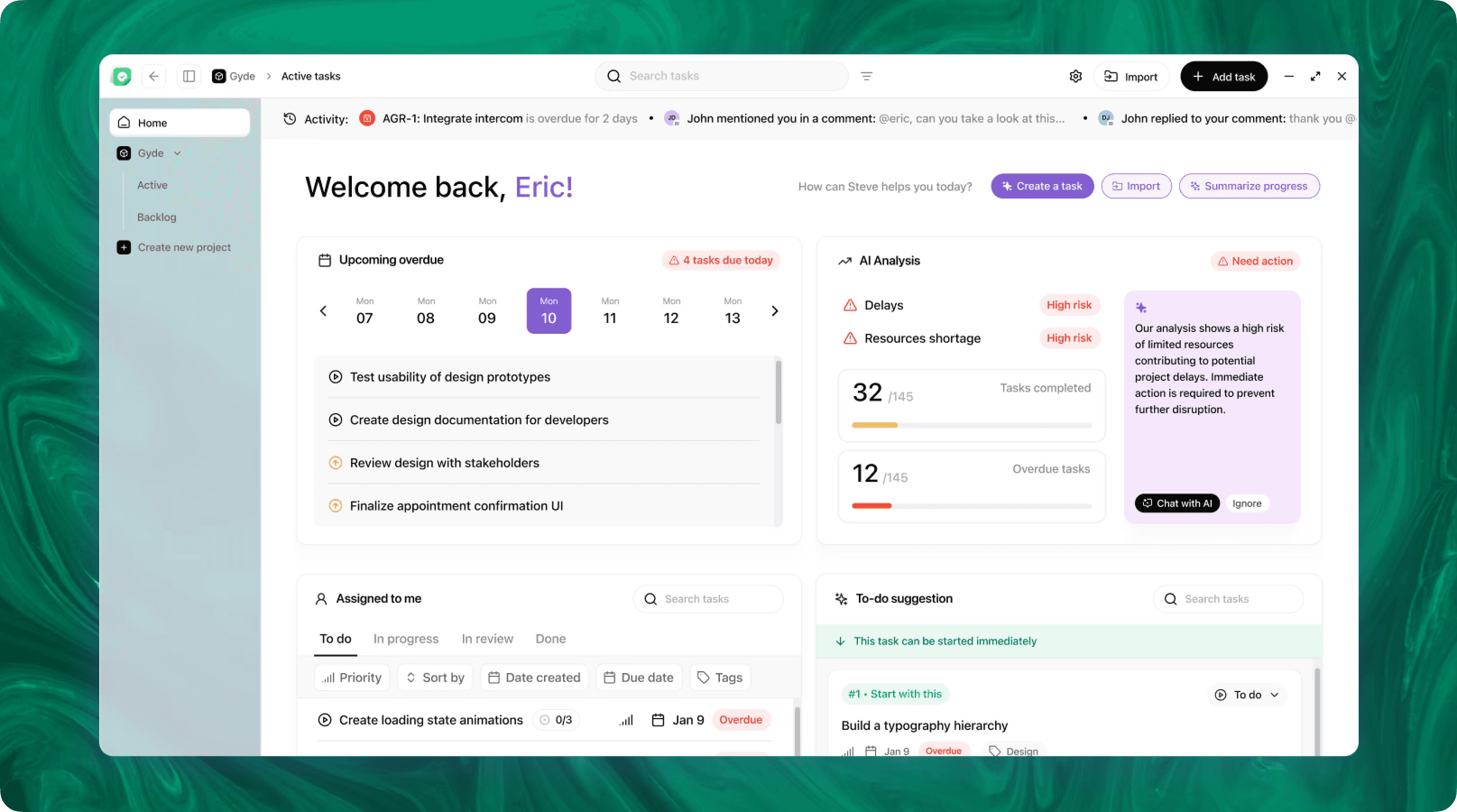
Steve is an AI-native operating system designed to streamline business operations through intelligent automation. Leveraging advanced AI agents, Steve enables users to manage tasks, generate content, and optimize workflows using natural language commands. Its proactive approach anticipates user needs, facilitating seamless collaboration across various domains, including app development, content creation, and social media management.
Conclusion
Automating internal policy acknowledgments requires clear distribution, low-friction acknowledgment paths, consistent institutional context, and reliable tracking. As an AI OS, Steve combines AI Email, Steve Chat, shared memory, and Task Management to reduce manual steps, increase comprehension, and produce auditable records. Organizations that adopt this approach can expect higher compliance rates, fewer interpretive conflicts, and faster remediation when gaps appear.