Automating Internal Audits Through AI-Driven Summaries
Jan 12, 2026

Audit Data Ingestion And Contextual Memory: Persisting context across agents prevents rework and ensures consistent narratives when summarizing audit evidence.
AI-Driven Summarization And Email Integration: AI Email produces layered summaries (executive, detailed, evidence index) and tags findings for automated routing and traceability.
Conversational Audit Analysis And Evidence Retrieval: Steve Chat’s file-aware conversation retrieves source-cited answers, accelerating verification and reducing document hunting.
Tasking And Follow-Up Automation: Task Management converts summaries into prioritized, assigned remediation items, preserving links back to supporting evidence.
Operational Benefit: Linking summaries, memory, conversation, and tasks shortens audit cycles while improving defensibility and stakeholder clarity.
Introduction
Automating internal audits through AI-driven summaries reduces manual toil, speeds issue detection, and improves record traceability. As an AI Operating System, Steve centralizes evidence, synthesizes findings, and connects outcomes to workflows so audit teams spend less time assembling facts and more time resolving risk.
Audit Data Ingestion And Contextual Memory
Reliable summaries begin with organized inputs. Steve’s shared memory system lets agents persist contextual signals—policies, previous audit notes, and source links—so disparate data from spreadsheets, PDFs, and ticketing systems becomes queryable context rather than isolated files. In practice, auditors upload working papers and point Steve Chat to relevant drives or threads; agents write contextual markers into shared memory that subsequent summarization agents reuse. That continuity prevents the same document from being reprocessed with losing prior conclusions and keeps audit narratives consistent across cycles.
AI-Driven Summarization And Email Integration
Concise, accurate summaries are the audit product that powers decisions. Steve’s AI Email module generates instant summaries of long threads and flags key action items and anomalies, producing executive-ready synopses without manual drafting. Combined with Steve Chat’s file-aware abilities, the platform can turn a collection of meeting notes, transaction logs, and policy text into layered outputs: a short summary for leadership, a detailed findings list for the audit file, and an evidence index for compliance reviewers. Because AI Email tags and categorizes content, summaries can be routed automatically to stakeholders and attached to existing ticketing or storage locations for traceability.
Conversational Audit Analysis And Evidence Retrieval
Auditors need fast, defensible answers to targeted questions. With Steve Chat’s conversational interface, teams query the shared memory and uploaded files in natural language—asking for sample selection rationale, exceptions by vendor, or timeline reconstructions—and receive step-by-step reasoning and source citations. The chat is file-aware, so replies reference specific spreadsheets, PDF pages, or email threads, enabling auditors to verify claims without hunting documents. Real-time web search support helps augment internal findings with external guidance or regulation references, keeping summaries grounded and auditable.
Tasking And Follow-Up Automation
Summaries must lead to action. Steve’s Task Management boards convert summarized findings into tracked tasks and suggested sprints, ensuring remediation items move into execution. After a summarization run, the AI can propose priorities, assign owners, and create follow-up tickets in the same workspace—preserving the connection between the narrative, evidence, and remediation plan. This tight loop cuts handoffs: audit conclusions generate assignments that carry the supporting summary and memory pointers so owners understand context without recontacting the audit team.
Steve
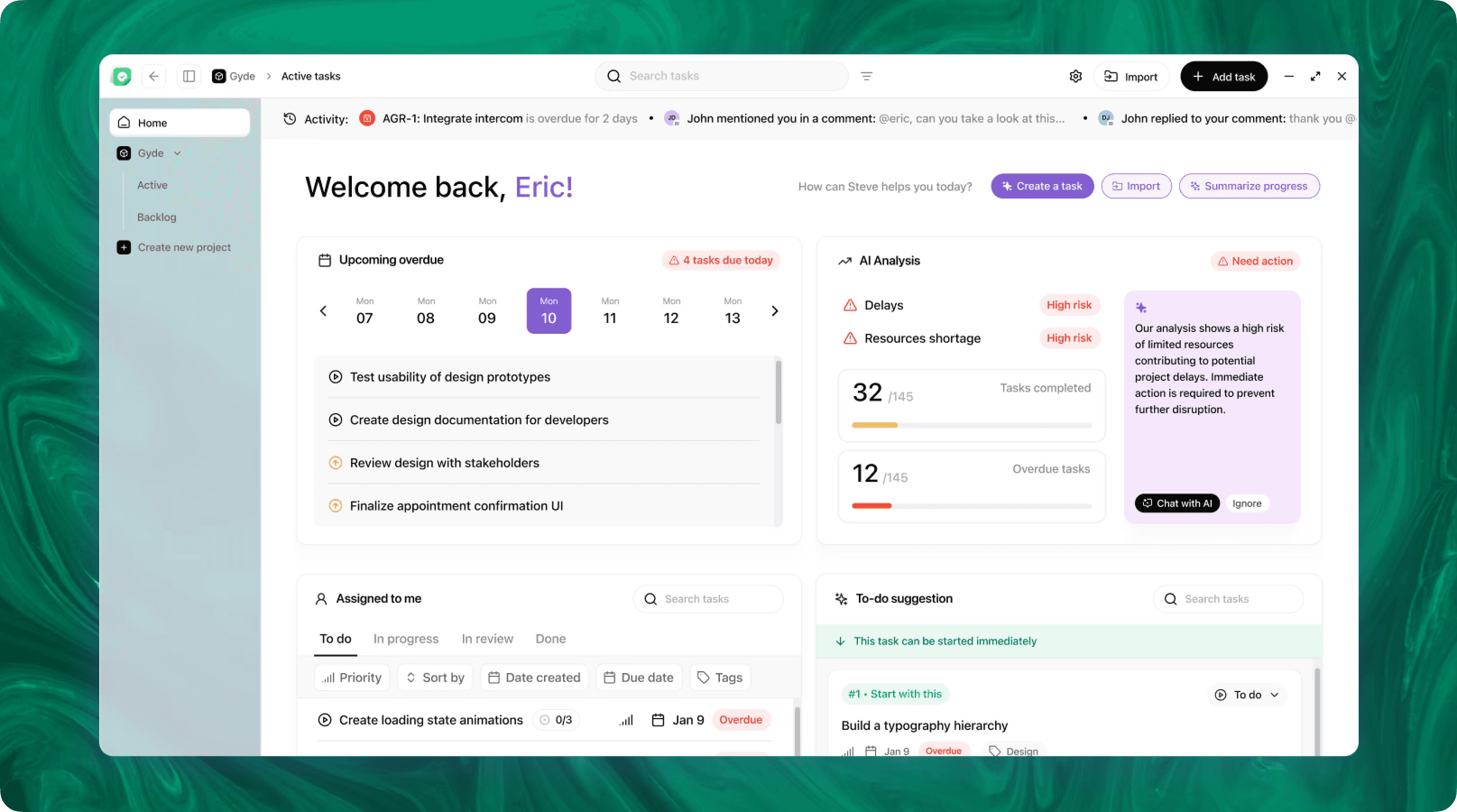
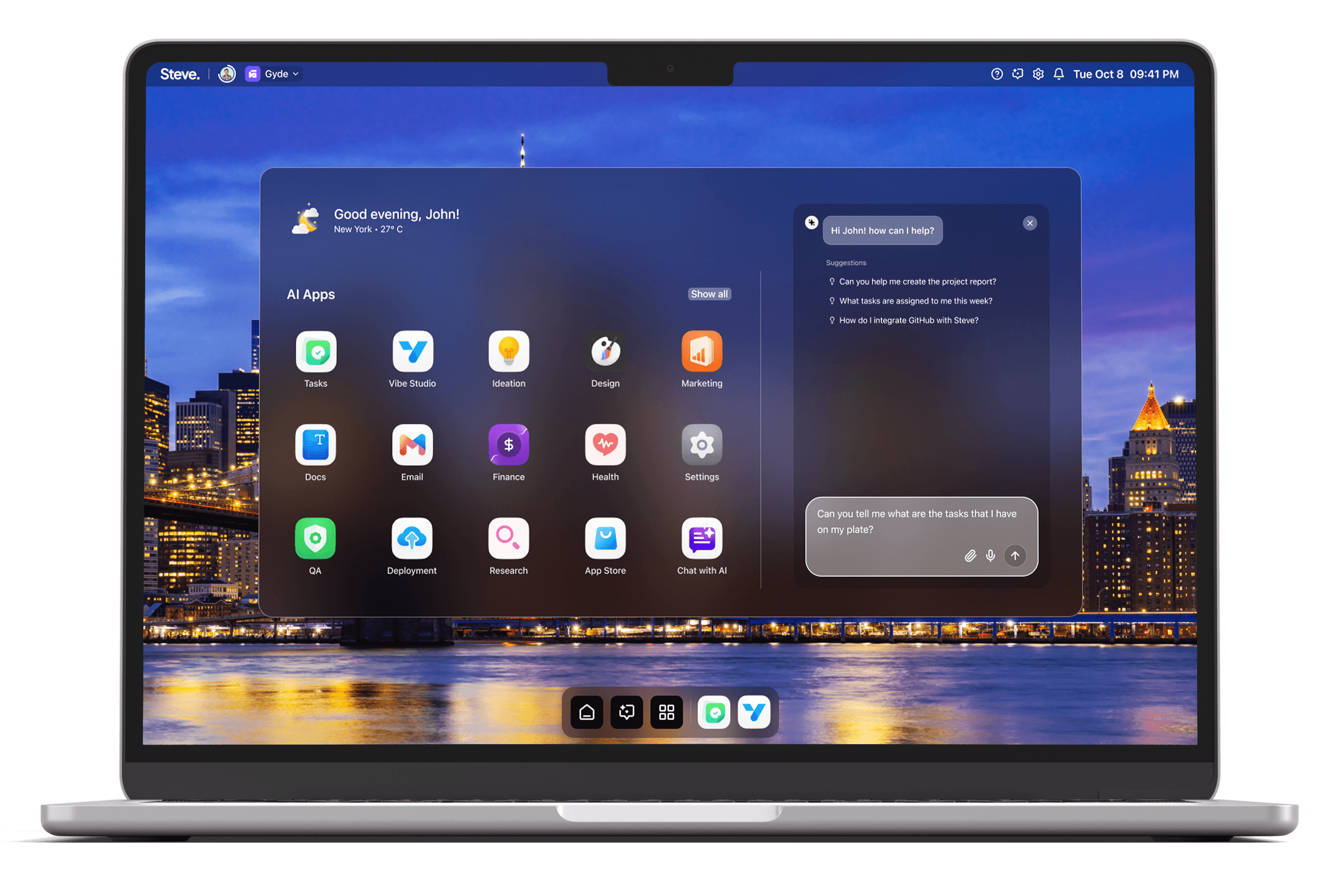
Steve is an AI-native operating system designed to streamline business operations through intelligent automation. Leveraging advanced AI agents, Steve enables users to manage tasks, generate content, and optimize workflows using natural language commands. Its proactive approach anticipates user needs, facilitating seamless collaboration across various domains, including app development, content creation, and social media management.
Conclusion
Automating internal audits with AI-driven summaries shifts work from assembly to analysis. By combining a shared memory that preserves context, AI Email that distills threads into actionable synopses, a conversational, file-aware Steve Chat for targeted retrieval, and Task Management to close the loop, Steve as an AI OS reduces manual effort, accelerates remediation, and strengthens audit defensibility. Audit teams adopting this approach get faster, more consistent reports and a clear trail from evidence to action.