AI-Powered Vendor Performance Analytics for Procurement Teams
Jan 26, 2026

Unified Context With Shared Memory: Persistent memory ensures analytics reflect contract history, prior actions, and conversation records for consistent, auditable vendor insights.
Conversational Analytics With Integrated Data Sources: Steve Chat’s integrations and file-aware reasoning let procurement query cross-source evidence in natural language and receive sourced analytics.
Inbox Intelligence To Prioritize Vendor Risk: AI Email tags and summaries surface early risk signals from threads and feed those insights into analytics and workflows.
Tasking And Continuous Improvement Workflows: AI-powered task boards translate analytics into assigned remediation tasks and timelines to close the loop on supplier issues.
Operational Impact: Combining context, data access, and action reduces manual effort, speeds decision-making, and improves supplier reliability.
Introduction
AI-powered vendor performance analytics transforms procurement from reactive dispute resolution into proactive supplier management. Procurement teams need continuous, contextual insights drawn from contracts, emails, delivery data, and task status; Steve, as an AI Operating System, brings those signals together so teams can monitor performance, detect risk, and drive corrective action without manual consolidation.
Unified Context With Shared Memory
Vendor performance depends on context: contract terms, historical delivery patterns, commercial exceptions, and prior conversations. Steve’s shared memory system enables AI agents to persist and recall that context across interactions, so analytics reflect the full history rather than isolated snapshots. In practice, that means a procurement lead querying a supplier’s on-time delivery rate receives results that incorporate recent service-impacting incidents noted in chat, flagged contract clauses, and prior mitigation actions recorded in memory. The result is consistent, auditable insights: the same underlying context informs dashboards, alerts, and conversational summaries, eliminating repeated data stitching and interpretation errors.
Conversational Analytics With Integrated Data Sources
Meaningful vendor analytics require rapid access to files, emails, spreadsheets, and calendar events. Steve Chat integrates directly with Gmail, Google Drive, Sheets, Calendar, Notion, and dozens of other services, and is file-aware—so procurement teams can ask questions in natural language and get answers grounded in primary documents. For example, a buyer can ask, “Which suppliers delivered below SLA in Q4 and what contract remedies were invoked?” and Steve will surface evidence from delivery logs in Sheets, relevant clauses in contract PDFs, and historical notices in email threads. Because the interface supports real-time web searches and thoughtful step-by-step reasoning, responses can include linked source documents and a prioritized list of follow-ups, turning dispersed data into actionable analytics without manual exports.
Inbox Intelligence To Prioritize Vendor Risk
Emails are often the earliest indicators of supplier distress: late shipment notices, escalation threads, and pricing disputes originate in the inbox. Steve’s AI Email capabilities tag and categorize messages, summarize long threads, and generate context-aware suggestions, enabling procurement teams to triage vendor risk faster. A procurement manager seeing a sudden increase in “delivery delay” tags can request a consolidated summary of all relevant threads; Steve produces a concise brief that highlights frequency, impacted SKUs, and recommended next steps. Those summaries feed into the shared memory so subsequent analytics and agent actions reflect the latest negotiated commitments and outstanding issues.
Tasking And Continuous Improvement Workflows
Analytics are valuable only when they lead to coordinated action. Steve’s AI-powered task management boards translate insights into prioritized tasks, assign owners, and suggest timelines based on historical execution patterns. When vendor performance analytics detect a trend—such as repeated quality incidents—Steve can propose a remediation sprint with recommended tasks: schedule a root-cause review, request test batch samples, and update the supplier scorecard. Integration with existing issue trackers and the ability to import or create tasks from natural prompts keeps follow-through in the same system driving the analytics, reducing handoffs and ensuring every metric links to an owner and deadline.
Practical Scenarios
Scenario 1: Rapid Root-Cause Analysis. After multiple late deliveries, procurement asks Steve for a cross-source report. Steve pulls delivery timestamps from Sheets, escalation emails from Gmail, and contractual lead times from Drive, then uses shared memory to correlate causes and recommend immediate containment actions and contractual remedies.
Scenario 2: Quarterly Supplier Reviews. Ahead of a review meeting, a buyer asks Steve to generate a supplier scorecard. Steve produces a concise summary that includes delivery compliance, quality incidents, pricing deviations, and a prioritized action plan drawn from outstanding tasks and email commitments—saving hours of manual preparation.
Scenario 3: Continuous Monitoring and Alerts. Steve’s conversational agents monitor incoming messages and operational data; when a pattern of SLA breaches emerges, the platform tags the issue, summarizes the trend, and auto-generates mitigation tasks for the procurement owner.
Steve
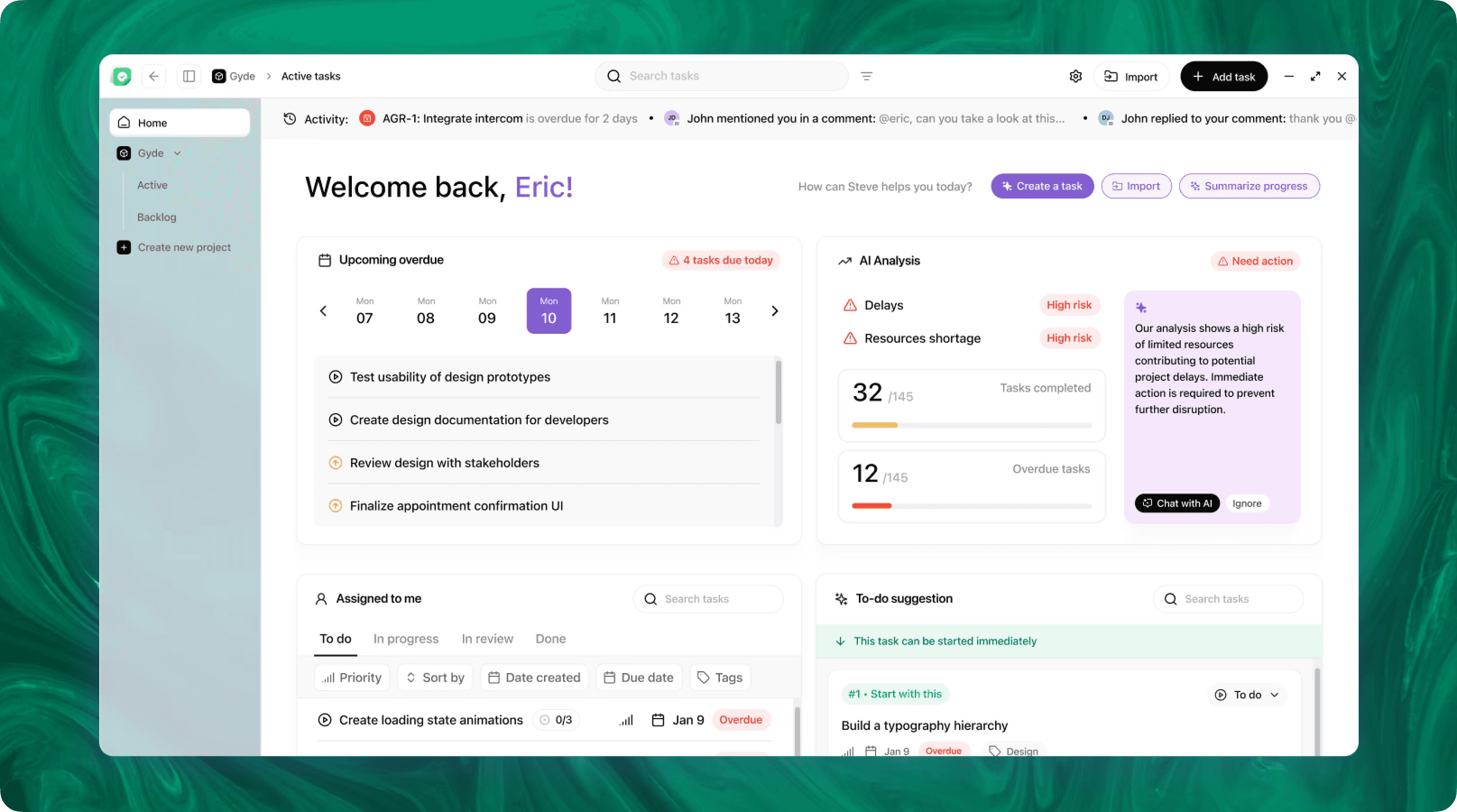
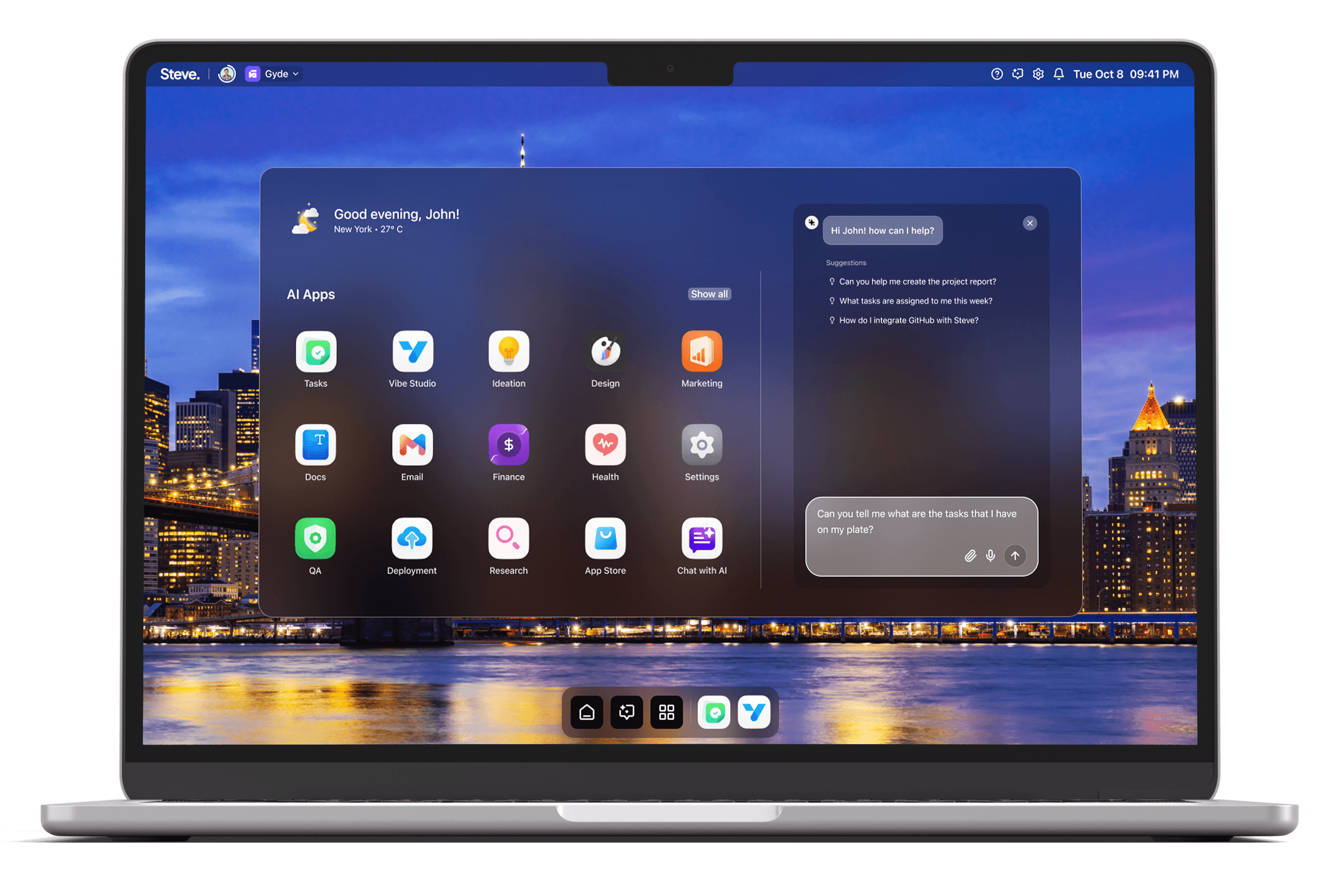
Steve is an AI-native operating system designed to streamline business operations through intelligent automation. Leveraging advanced AI agents, Steve enables users to manage tasks, generate content, and optimize workflows using natural language commands. Its proactive approach anticipates user needs, facilitating seamless collaboration across various domains, including app development, content creation, and social media management.
Conclusion
AI-powered vendor performance analytics works when context, data access, and action are integrated. As an AI OS, Steve combines a shared memory that preserves context, conversational analytics that reach into documents and email, inbox intelligence to surface risk, and task-oriented workflows to ensure remediation. Together, these capabilities convert disparate signals into prioritized, auditable actions—helping procurement teams reduce supplier risk, shorten response times, and improve vendor reliability.