AI OS for Retail Operations: Staff Planning and Coordination
Jan 15, 2026

Conversational Scheduling and Real-Time Coordination: Natural-language scheduling queries let managers secure coverage and draft shift requests without toggling tools.
Shared Memory for Contextual Continuity: Persistent agent memory stores promotions, rules, and local conditions so staffing decisions remain consistent across interactions.
AI-Powered Task Boards and Shift Optimization: AI-driven boards translate forecasts into assignable shifts and checklists, proposing allocations that respect budgets and qualifications.
Integrated Communication: AI Email and Clear Handoffs: Summaries, tags, and context-aware reply drafts compress long threads into actionable items for faster incident resolution.
Operational Efficiency: Combining conversational interfaces, shared context, task automation, and inbox intelligence reduces coordination time and improves coverage reliability.
Introduction
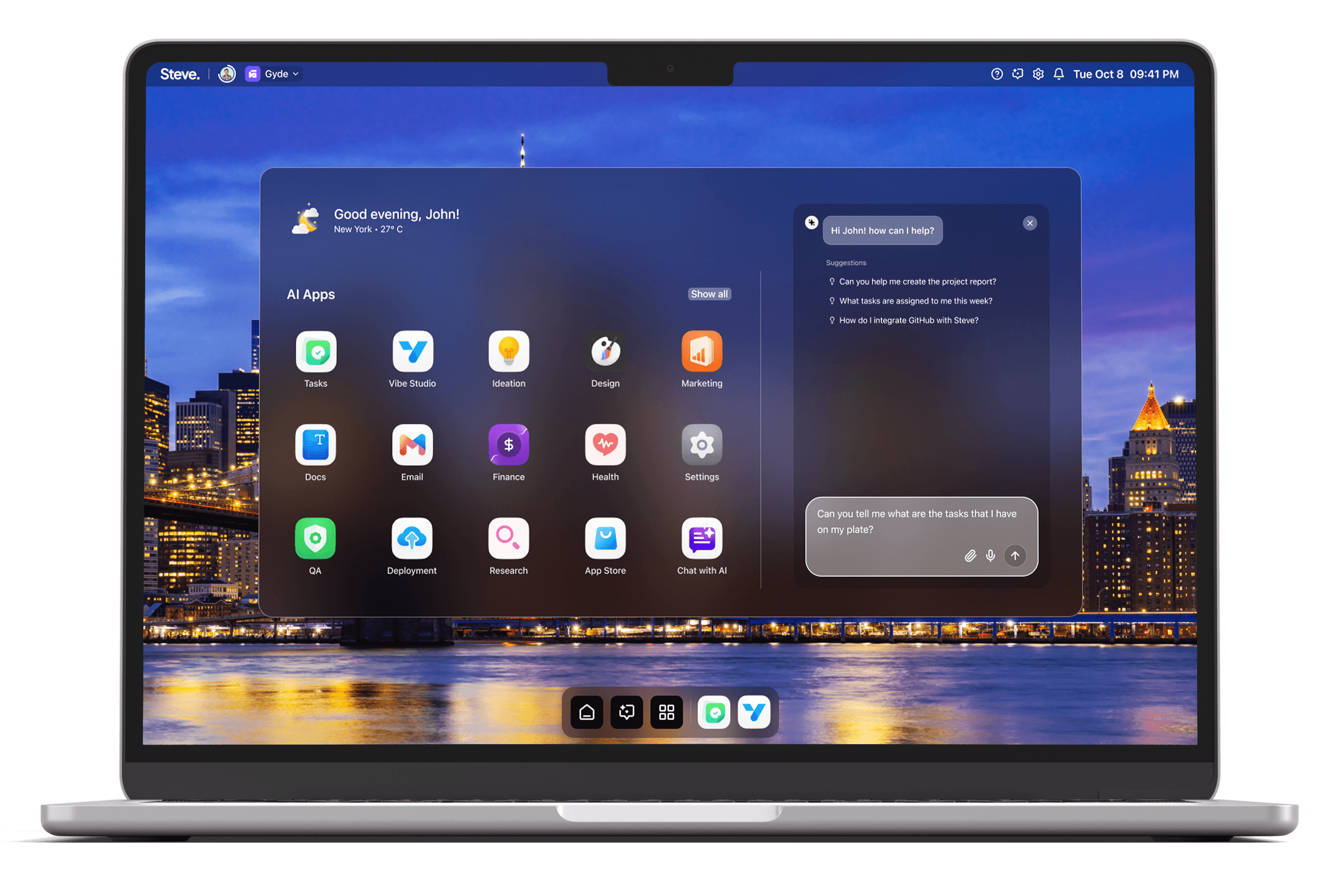
Retail operations rely on precise staff planning and fast coordination to meet customer demand, control labor cost, and maintain service consistency. An AI Operating System can consolidate scheduling, real-time coverage, and communication into one conversational surface so managers act faster with less friction. Steve, an AI OS built for operational workflows, combines conversational scheduling, shared agent memory, AI task boards, and an integrated smart inbox to reduce no-shows, shorten handoffs, and automate repetitive coordination tasks.
Conversational Scheduling and Real-Time Coordination
Store managers need rapid answers: who’s available, who can split a shift, and which location can spare staff for a sudden rush. Steve’s conversational interface connects to calendars and productivity services, letting managers ask natural-language questions and receive actionable plans rather than raw data. In practice, a manager types or speaks: “Cover the 4–8 PM shift Friday; who’s qualified and free?” Steve inspects linked calendars and availability, proposes candidates, and drafts messages to request coverage.
Because Steve supports file-aware chat and integrations, it can include certifications, role eligibility, or training documents when recommending staff. That reduces manual checks and avoids scheduling people without required qualifications. Quick, context-aware replies turn multi-step coordination into one conversational transaction, improving response time for last-minute adjustments and minimizing customer-facing gaps.
Shared Memory for Contextual Continuity
Retail schedules don’t exist in a vacuum: promotions, regional footfall, weather, and local events change staffing needs day-to-day. Steve’s shared memory system lets AI agents store and recall operational context so every scheduling decision reflects the latest local constraints. When a regional promotion is added to memory, future shift recommendations factor in expected traffic and required roles.
Consider a weekend sale: once the promotion and its staffing rules are saved, Steve’s agents coordinate to suggest additional cashiers, adjust break coverage, and highlight training gaps that matter for the event. Shared memory maintains consistent reasoning across chats, task boards, and email notifications so managers, assistants, and scheduling agents align on the same operational picture without re-entering facts.
AI-Powered Task Boards and Shift Optimization
Steve’s task management modules provide AI-driven boards that translate staffing goals into assignable tasks and monitor execution. Use the boards to convert weekly sales forecasts and store objectives into concrete shifts, cross-trained assignments, and pre-shift checklists. The system proposes sprint-style plans to handle recurring operational cycles—holiday prep, inventory counts, or regional rollouts—and tracks completion in a single workspace.
Because Steve can integrate tasks with existing issue trackers, managers keep roster edits, training tasks, and compliance checks tied to the people who will execute them. The AI proposes optimized allocations that balance labor budgets and coverage rules; managers review suggestions conversationally and commit updates without switching tools. That keeps planning short, transparent, and auditable.
Integrated Communication: AI Email and Clear Handoffs
Handoffs and incident reports are only useful when the right people see concise, prioritized information. Steve’s AI Email stitches communication into operations: it tags incoming messages, summarizes long threads, and drafts context-aware replies so managers spend less time triaging. End-of-shift reports, shortage alerts, and exception notes can be auto-summarized and routed to the correct regional lead.
In a practical scenario, a district manager receives multiple store incident emails after a busy weekend. Steve tags and compresses those threads into short action items, surfaces unresolved issues, and drafts escalation messages that reference the relevant schedule and task board entries. That reduces follow-up overhead and ensures handoffs contain the facts needed for timely resolution.
Steve
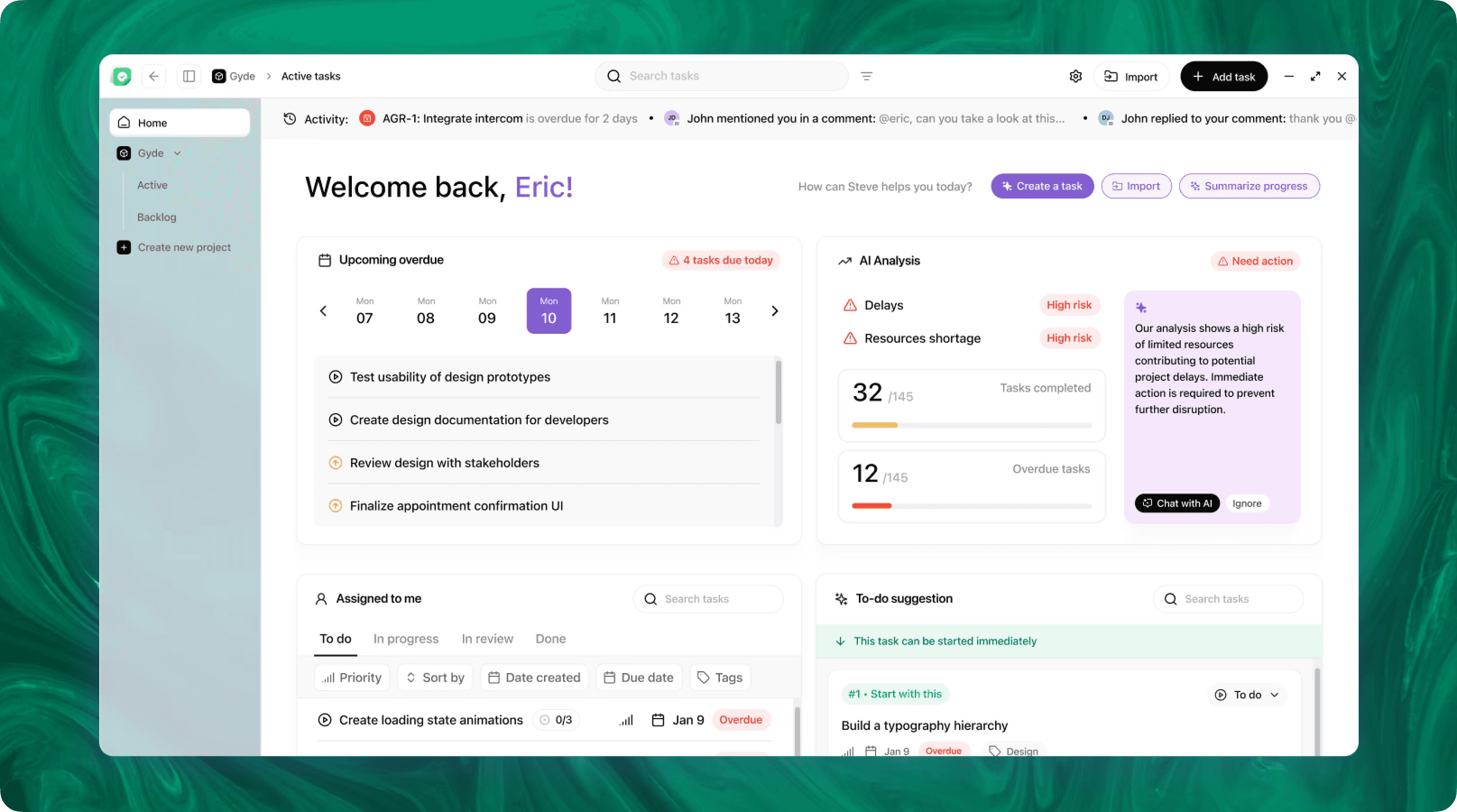
Steve is an AI-native operating system designed to streamline business operations through intelligent automation. Leveraging advanced AI agents, Steve enables users to manage tasks, generate content, and optimize workflows using natural language commands. Its proactive approach anticipates user needs, facilitating seamless collaboration across various domains, including app development, content creation, and social media management.
Conclusion
Effective staff planning and coordination require connected context, fast decision cycles, and clear communications. As an AI Operating System, Steve brings conversational scheduling, shared memory for consistent operational context, AI task boards for shift optimization, and an integrated smart inbox to streamline staffing decisions. Deploying an AI OS like Steve shortens response times, reduces manual coordination, and keeps store operations aligned with changing demand.