AI OS for Law Firms: Case Coordination and Knowledge Recall
Jan 26, 2026

Unified Case Memory: Persistent shared memory preserves case context across teams, reducing repetition and speeding handoffs.
Email Triage and Thread Summaries: AI Email tags and summarizes threads so attorneys act on the core issues instead of parsing long inboxes.
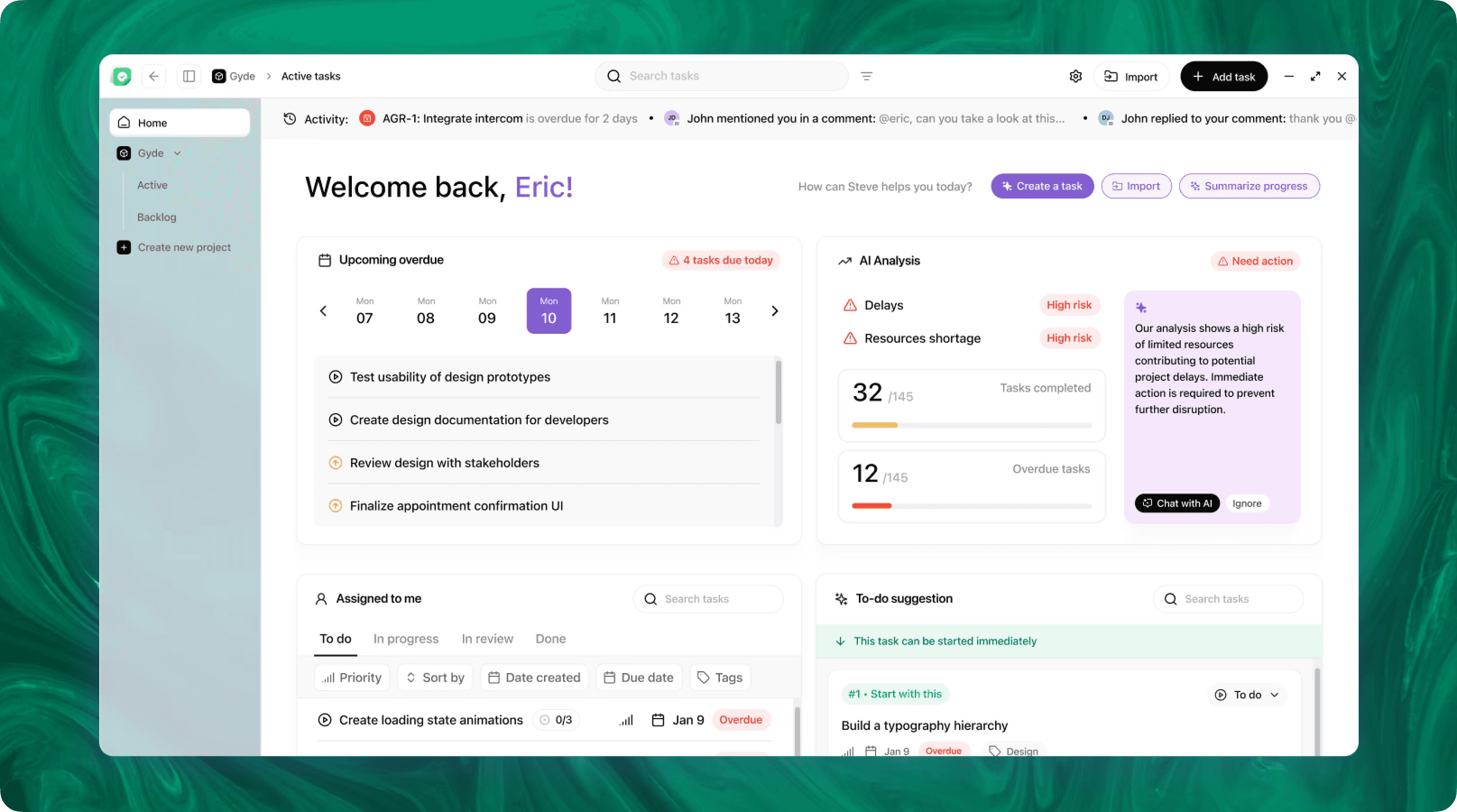
Coordinated Task Management: AI-powered boards turn triage into prioritized tasks with dates and owners, aligning work to court calendars.
Document-Aware Recall: File-aware Steve Chat locates clauses, summarizes evidence, and links results back to the case memory for rapid research.
Operational Impact: Combining memory, conversational AI, email triage, and task tracking reduces missed deadlines and accelerates legal workflows.
Introduction
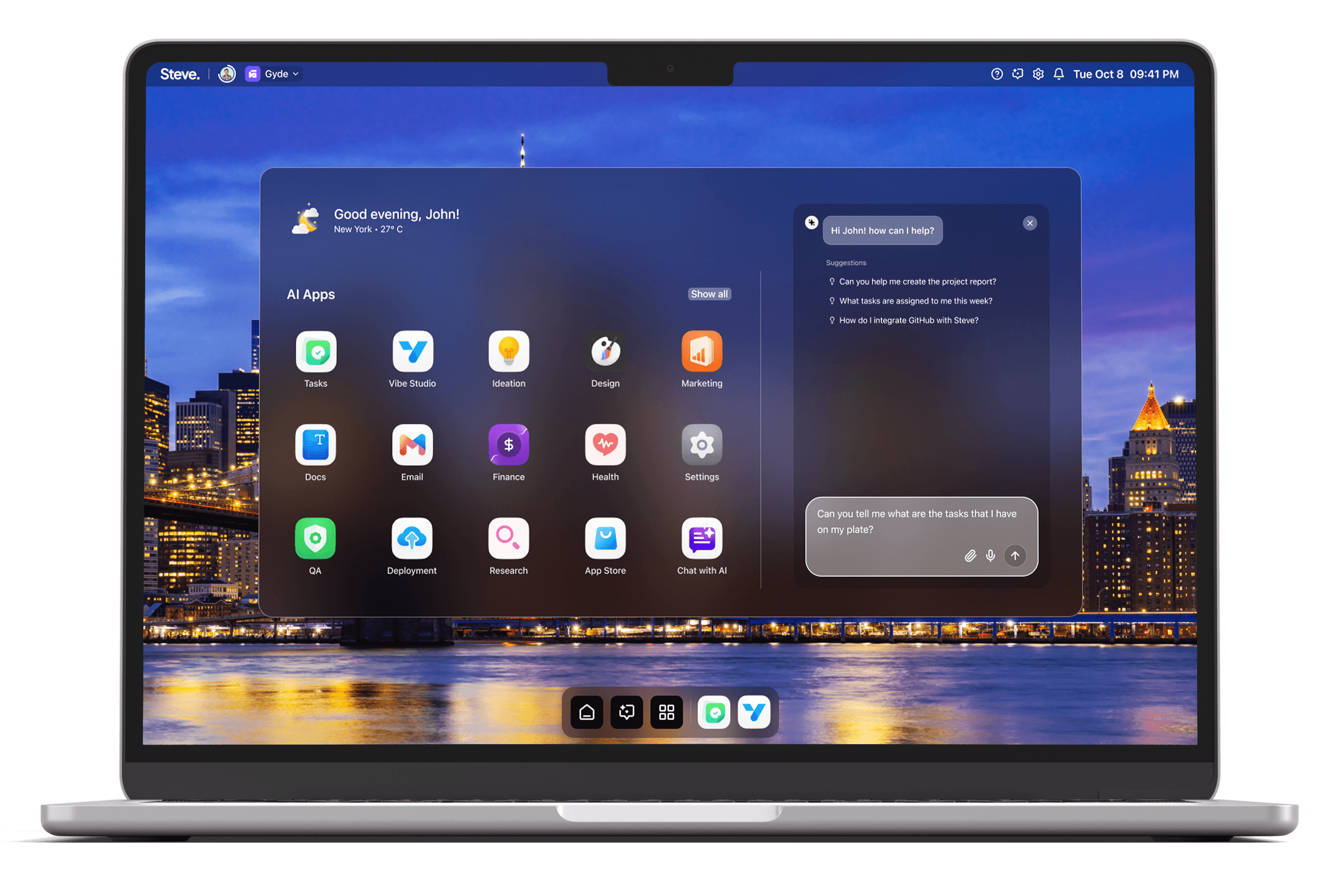
Law firms manage complex matter files, tight deadlines, and dispersed knowledge across people and documents. An AI Operating System can centralize case coordination and accelerate knowledge recall by making context persistent, searchable, and actionable. Steve acts as that AI OS: it combines a shared memory for agents, a conversational interface with integrations and file awareness, an AI-driven inbox, and task management to reduce friction across intake, litigation, and client service.
Unified Case Memory: Persistent Context Across Teams
A single persistent memory lets Steve capture case facts, prior communications, deposition notes, and precedent links so every agent and user sees the same context. Instead of re-explaining background at every handoff, attorneys query Steve and retrieve the current, curated state of a matter—key dates, stakeholders, open issues, and previously identified risks. This shared memory preserves institutional knowledge across staffing changes, reducing redundant discovery work and preventing missed obligations.
Practical scenario: a junior associate preparing a pleading asks Steve for a case summary and receives the matter timeline, relevant statutes, and a list of documents previously flagged by partners, all pulled from the shared memory. That baseline accuracy shortens review cycles and reduces factual errors in filings.
Email Triage and Thread Summaries
Email remains the primary intake and client-communication channel; Steve’s AI Email module triages incoming messages, applies AI tags, and generates concise thread summaries so attorneys focus on substance rather than inbox volume. Context-aware reply suggestions speed responses for routine status updates, while summaries extract commitments and deadlines for immediate action.
Practical scenario: a partner receives a long client update with attachment-heavy threads. Steve tags the message as “urgent,” summarizes the thread into a one-paragraph brief, and highlights action items (e.g., produce exhibit list, confirm hearing date), enabling the partner to delegate tasks and reply with a draft generated by Steve.
Coordinated Task Management and Deadlines
Steve’s AI-powered task boards translate triaged inputs into executable tasks and align assignments with calendars and deadlines. Integrations let Steve import or push tasks from existing trackers and suggest sprints or sequencing to resolve bottlenecks. The system maintains context links between tasks and the shared memory so task owners always see the underlying facts and source documents.
Practical scenario: after email triage identifies discovery shortcomings, Steve creates a prioritized task board: identify missing custodians, request documents, and schedule meet-and-confer. The board assigns owners, proposes target dates based on the court calendar, and keeps status and evidence references attached, reducing missed steps and improving auditability.
Document-Aware Knowledge Recall
Steve Chat is file-aware: attorneys upload pleadings, contracts, deposition transcripts, and exhibits to surface evidence and answer questions in context. Combined with the shared memory and real-time search, Steve locates relevant clauses, cites prior arguments, and summarizes long documents on demand. That capability transforms time-consuming legal research and review into interactive lookups guided by matter context.
Practical scenario: an attorney asks Steve to locate prior contract clauses that relate to indemnity language across matters. Steve scans uploaded agreements and returns a ranked list of clauses, short summaries, and links to the originating documents stored in the case memory—enabling faster drafting of motion language or settlement offers.
Steve
Steve is an AI-native operating system designed to streamline business operations through intelligent automation. Leveraging advanced AI agents, Steve enables users to manage tasks, generate content, and optimize workflows using natural language commands. Its proactive approach anticipates user needs, facilitating seamless collaboration across various domains, including app development, content creation, and social media management.
Conclusion
For law firms, the combination of a shared memory, conversational AI with file awareness, AI-driven email triage, and contextual task management reconfigures how teams coordinate cases and recall knowledge. As an AI OS, Steve reduces repetition, improves handoffs, and makes critical facts and documents instantly actionable. The net effect is fewer missed deadlines, faster client responses, and more efficient legal work—all while preserving the audit trail that matters for compliance and quality control.