AI OS for Healthcare Administration: Case Coordination Automation
Jan 22, 2026

Shared Memory Enables Cross-Team Case State: A persistent memory gives agents a single source of truth so clinicians, social workers, and billing staff share consistent case context.
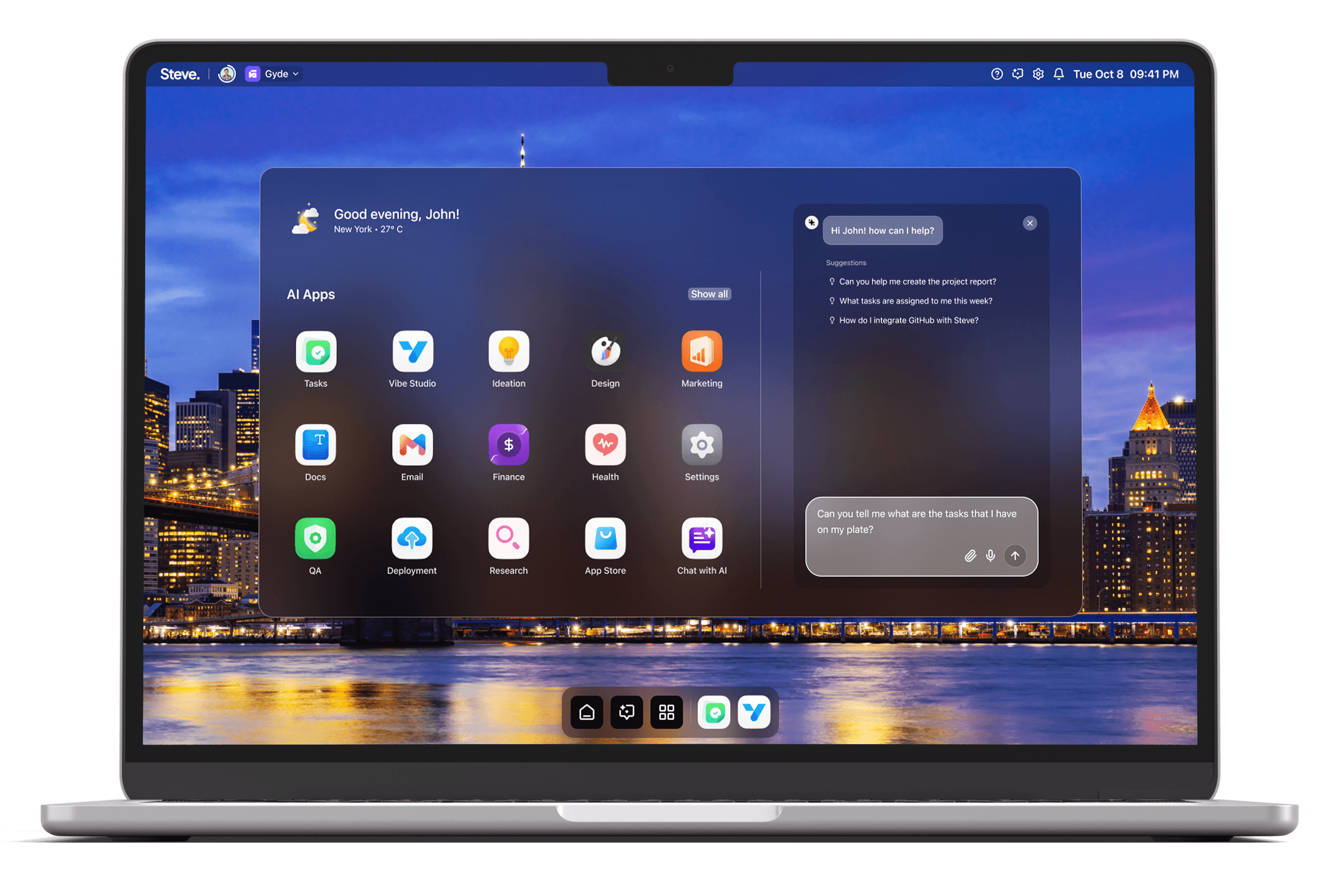
Steve Chat For Clinician Communication And Scheduling: File-aware, integrated chat lets coordinators assemble checklists, schedule visits, and pull documents conversationally without switching apps.
AI Email For Prioritizing And Summarizing Case Threads: Smart inbox features tag, summarize, and draft responses for complex multi-party threads to speed authorizations and reduce lost messages.
Task Management To Automate Workflows And Handoffs: AI-driven task boards convert case gaps into assigned tasks, suggest sprints for backlogs, and track execution across teams.
Practical Scenario: From Hospital Bed To Home: Combined, these capabilities automate discharge workflows—creating tasks, drafting payer communications, and preserving a shared case state for reliable handoffs.
Introduction
Case coordination in healthcare administration demands accurate context, timely communication, and reliable handoffs across clinical, social work, and payer teams. An AI Operating System can reduce administrative burden, cut delays, and improve patient outcomes by automating routine coordination tasks while retaining human oversight. Steve, an AI OS built around conversational agents, shared memory, integrated messaging, and task automation, provides a practical architecture for case coordination automation that keeps case state coherent across channels and teams.
Shared Memory Enables Cross-Team Case State
A persistent shared memory lets multiple AI agents retain and surface the same patient- and case-level context, so updates made in one workflow immediately inform others. In practice, when a nurse documents a discharge barrier in a conversation, the shared memory records the detail (transportation, durable medical equipment need, insurance authorization status) and makes it available to subsequent tasks and messages. That single source of truth reduces duplication: utilization managers, social workers, and billing specialists query the same context rather than reconciling parallel notes. Shared memory also supports auditability—agents can reference why a recommendation was made—helping case managers defend clinical decisions and speed approvals.
Steve Chat For Clinician Communication And Scheduling
Steve Chat functions as the conversational front end for case coordination, integrating with calendars, email, drives, and documents while accepting uploaded PDFs and spreadsheets as context. A care coordinator can ask Steve in natural language to assemble a pre-discharge checklist, schedule a home visit, and surface relevant authorization forms; Steve accesses calendar availability, pulls the latest discharge summary from drive, and drafts a scheduling proposal. Because Steve Chat supports file-aware queries and real-time web lookups, it can fill gaps—locating local transportation vendors or confirming community resources—and present actionable choices within the same conversation. This keeps clinicians in a single workflow instead of toggling between apps.
AI Email For Prioritizing And Summarizing Case Threads
The AI Email module turns high-volume inboxes into structured case work queues by tagging and summarizing threads, generating reply drafts, and surfacing priority issues. For example, when multiple payers and outpatient providers exchange authorization requests, AI Email groups related messages, produces a concise summary of pending items (documents needed, outstanding approvals, deadlines), and suggests an escalation draft to the payer with the relevant attachments. The inbox also supports conversational interaction: coordinators can refine draft responses with Steve in-line, then send without leaving the email context. This combination accelerates correspondence, reduces lost threads, and shortens authorization turnaround times.
Task Management To Automate Workflows And Handoffs
Steve’s AI-powered task boards convert conversational outputs and email summaries into actionable tasks, assign owners, and propose sprint-like plans for high-volume caseloads. When shared memory identifies recurring barriers—such as repeated authorization denials—the system auto-generates a task with subtasks (appeal letter, documentation pull, clinical sign-off), assigns roles, and suggests a timeline. Integration with Linear-style workflows enables teams to track execution and adjust priorities as new data arrives. The platform can propose sprints for teams tackling backlogs (for example, a four-day push to clear 50 pending authorizations), so managers get a recommended plan rather than an ad hoc to-do list.
Practical Scenario: From Hospital Bed To Home
A typical use-case ties these capabilities together. On discharge day, a case manager uses Steve Chat to compile the discharge summary and upload a home-assessment PDF. Shared memory records outstanding items: home equipment order, home health referral, and a pending prior authorization. AI Email identifies an unanswered payer thread and produces a prioritized summary and draft appeal. The task board creates a handoff checklist with deadlines and assigns the durable medical equipment order to a vendor liaison. Throughout, the shared memory ensures each agent references the same case facts; staff interact conversationally rather than rebuilding context.
Steve
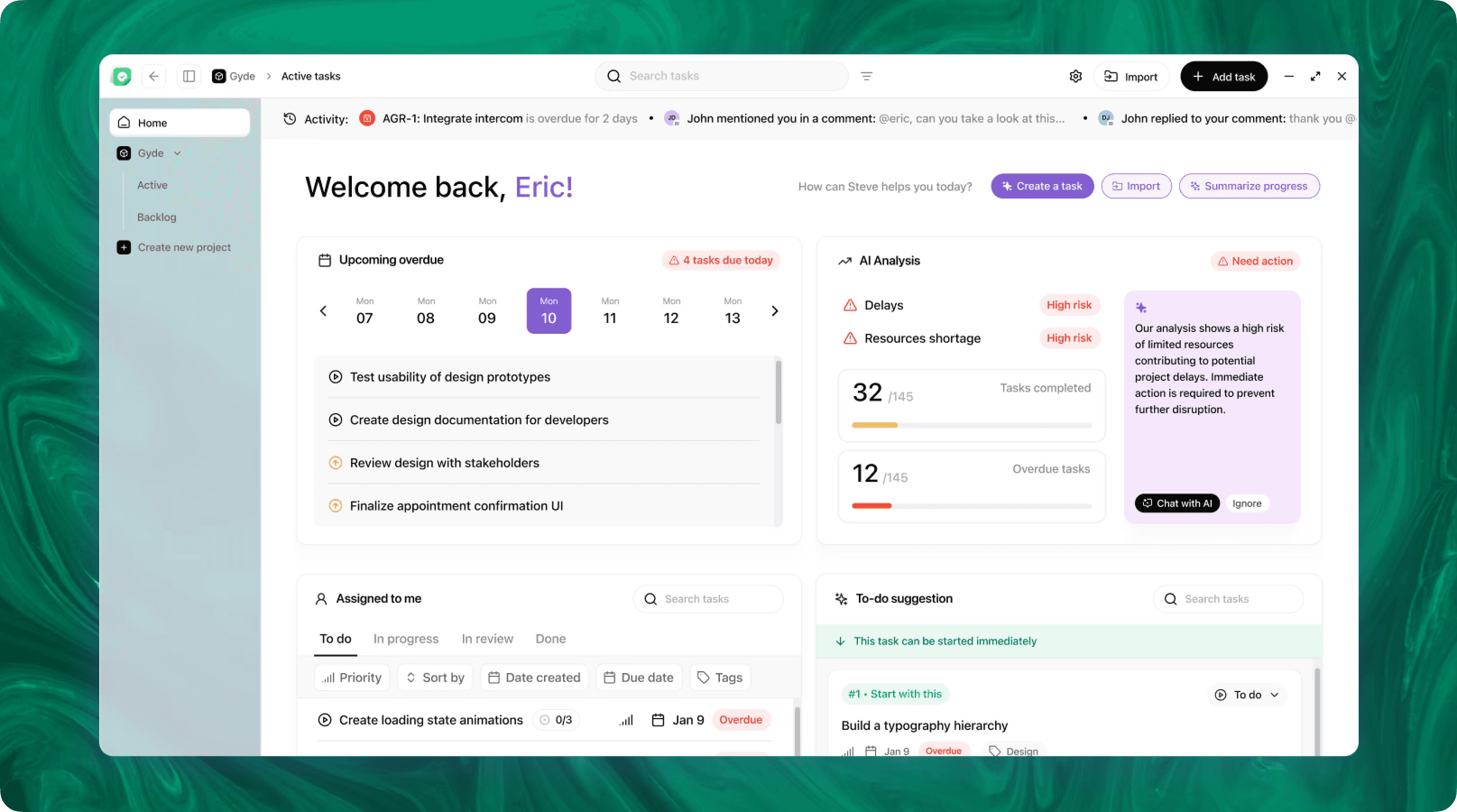
Steve is an AI-native operating system designed to streamline business operations through intelligent automation. Leveraging advanced AI agents, Steve enables users to manage tasks, generate content, and optimize workflows using natural language commands. Its proactive approach anticipates user needs, facilitating seamless collaboration across various domains, including app development, content creation, and social media management.
Conclusion
Automating case coordination requires coherent context, seamless communication, and reliable task orchestration. As an AI OS, Steve combines shared memory with conversational workflows, file-aware chat, prioritized AI Email, and AI-driven task management to compress coordination cycles and reduce administrative overhead. The result: faster authorizations, fewer missed handoffs, and clearer audit trails—delivering measurable operational improvement while keeping clinicians and care teams in control.