AI-Enhanced Sprint Reviews With Real-Time Data
Nov 18, 2025

Real-Time Data Visibility During Sprint Reviews: Steve Chat and shared memory consolidate live artifacts (sheets, PRs, notes) so reviews run on current data.
Contextual Conversations And Decision Tracking: Conversational queries use shared memory and chat logs to capture decisions and rationale as persistent context.
Automated Action Items And Follow-Ups: Task Management converts meeting conclusions into tracked tasks and Linear-style items for immediate execution.
Reducing Meeting Overhead With Live Summaries: AI Email and Steve Chat produce on-the-fly summaries and draft communications tied to the sprint context.
Workflow Benefit: Combining shared memory, conversational access, automated task creation, and email drafting turns reviews into short, outcome-driven sessions with clear accountability.
Introduction
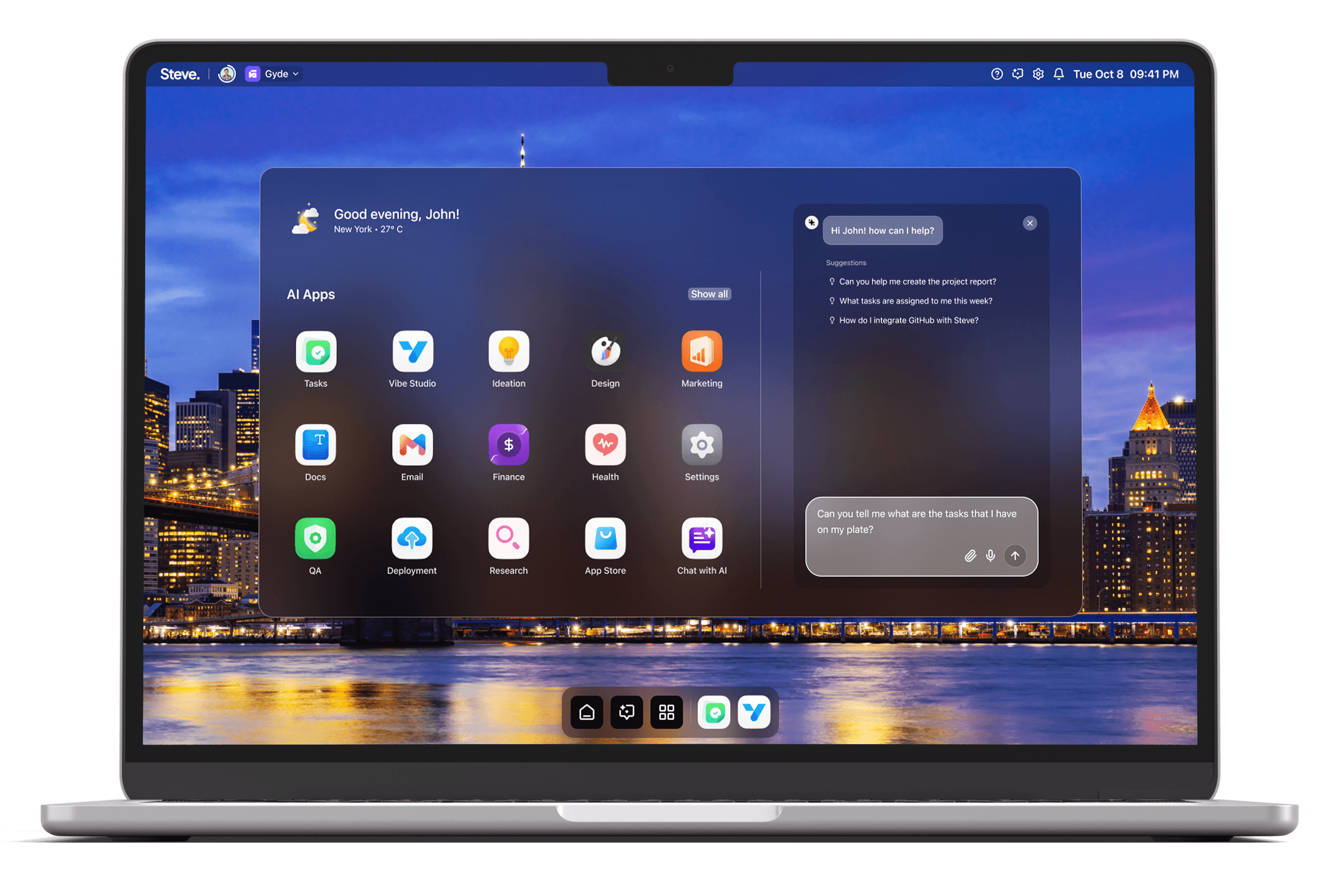
AI-enhanced sprint reviews with real-time data turn retrospective meetings into decision-action sessions: teams see live progress, validate outcomes, and assign next steps before the meeting ends. As an AI Operating System, Steve centralizes contextual signals, conversational interaction, and task automation so reviews become shorter, more evidence-driven, and easier to follow up. This article shows how Steve’s shared memory, Steve Chat, Task Management, and AI Email combine to deliver live, actionable sprint reviews.
Real-Time Data Visibility During Sprint Reviews
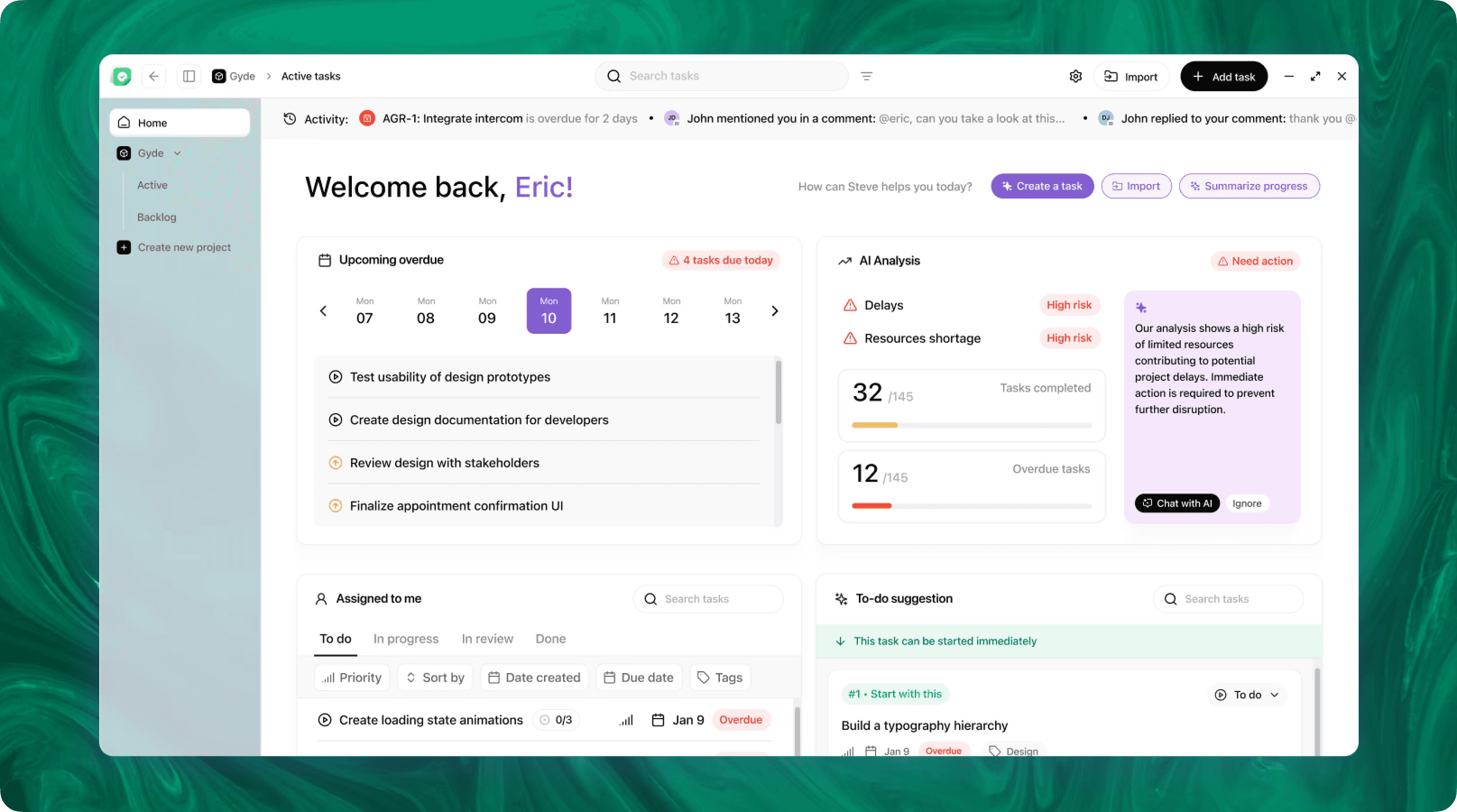
Effective sprint reviews require a single source of truth. Steve Chat connects to calendars, Gmail, Google Drive, Sheets, Notion, GitHub, and other services to surface the artifacts reviewers need — burndown snapshots from spreadsheets, pull-request status from GitHub, and design notes from Drive — without switching tools. The shared memory system aggregates these inputs so the AI agents present consistent, contextual views during the meeting. In practice, a product lead can ask Steve for the current sprint’s open issues and supporting documents; Steve pulls live task progress from Task Management and linked Linear items, then displays the consolidated view for the team. That live visibility prevents outdated status reports and focuses discussion on actual blockers and scope variance.
Contextual Conversations And Decision Tracking
Sprint reviews are as much about decisions as they are about metrics. Steve Chat’s conversational interface lets stakeholders interrogate data in natural language and keeps answers grounded in the session context held in shared memory. Ask “Which items remain untested and who owns them?” and Steve replies using the most recent task states, file attachments, and past decisions stored in memory. LangFuse-enabled chat logging preserves the conversational trail, so decisions and rationale are traceable after the meeting. This combination turns reviews into searchable decision artifacts: outcomes, acceptance criteria, and follow-up rationales stay attached to the sprint context rather than vanishing into meeting notes.
Automated Action Items And Follow-Ups
Closing a sprint review usually triggers work: bugs, refactors, or customer follow-ups. Steve’s Task Management automates that handoff. Based on the meeting conversation, Steve can propose sprint adjustments, create or update Linear-style tasks, and tag owners with deadlines — all from a single prompt. When the team confirms actions, Steve persists them into the project board and links them to the sprint context in shared memory so future queries remain coherent. For external communication, AI Email drafts succinct summaries of the review, highlights decisions, and suggests prioritized next steps; you can edit drafts in-chat and send them without leaving the platform. That reduces cognitive load and ensures that commitments made in the review translate directly into tracked work and stakeholder notifications.
Reducing Meeting Overhead With Live Summaries
Live summaries shorten reviews and make outcomes digestible. AI Email generates instant summaries of long threads and meeting exchanges, while Steve Chat can produce on-the-fly recaps during the session that reflect the most current data held in shared memory. A Scrum Master can request a two-paragraph summary at the end of the review and receive a draft email that lists completed goals, remaining risks, and proposed owners — ready to send or refine. Because these summaries and action items tie back to Task Management entries and the shared context, follow-up work is less likely to be duplicated or missed.
Steve
Steve is an AI-native operating system designed to streamline business operations through intelligent automation. Leveraging advanced AI agents, Steve enables users to manage tasks, generate content, and optimize workflows using natural language commands. Its proactive approach anticipates user needs, facilitating seamless collaboration across various domains, including app development, content creation, and social media management.
Conclusion
AI-enhanced sprint reviews with real-time data shift meetings from status-checks to coordinated decision points. As an AI OS, Steve reduces context switching by combining conversational data access (Steve Chat), a persistent shared memory for consistent context, task automation via Task Management, and rapid communication through AI Email. The result: faster alignment, clearer accountability, and actionable outcomes captured and routed automatically — so teams close reviews with momentum, not more meetings.