AI-Driven Lead Qualification Through Contextual Memory
Jan 20, 2026

Memory-Powered Lead Profiles: Persistent shared memory transforms transient interactions into living lead dossiers that reveal intent and reduce false positives.
Contextual Email Triage And Synthesis: AI Email tags, prioritizes, and summarizes threads so reps extract qualification signals without manual reading.
Conversational Qualification And Enrichment: Steve Chat combines memory and integrations to run qualification dialogs that enrich lead records in real time.
Automated Handoffs And Tracking: Task Management converts qualified leads into tracked actions, preserving context through team handoffs.
Workflow Benefit: End-to-end contextual memory across email, chat, and tasks shortens qualification cycles and raises lead-to-opportunity conversion quality.
Introduction
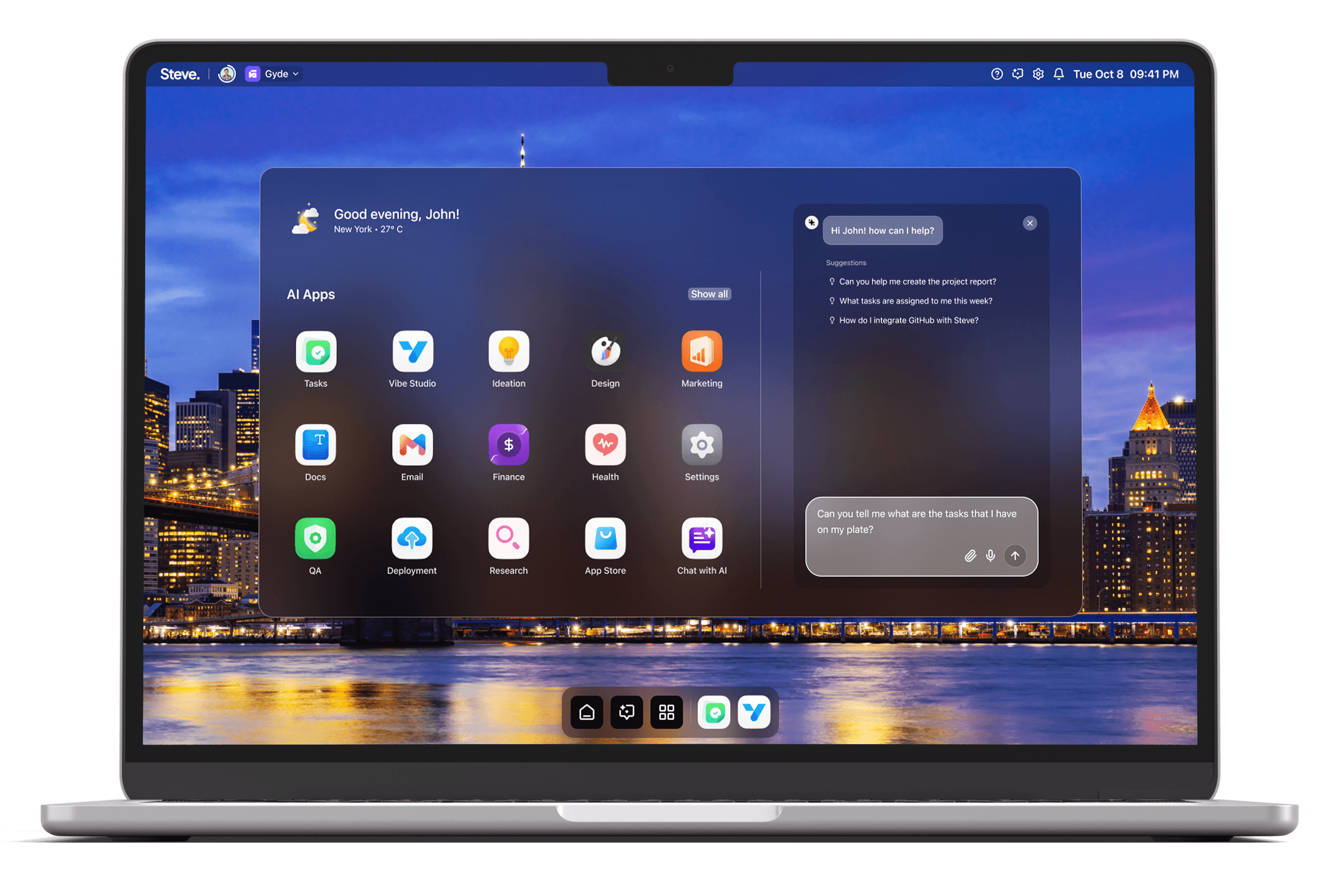
AI-Driven Lead Qualification Through Contextual Memory turns scattered signals into reliable buying intent. For B2B and high-touch B2C teams, the challenge is less about volume and more about context: which leads are ready, what they care about, and what the next action should be. Steve, an AI Operating System, uses a shared memory, conversational agent, smart email handling, and task automation to encode context across touchpoints and accelerate accurate qualification.
Memory-Powered Lead Profiles
A shared memory system lets Steve accumulate facts, signals, and behaviors about individual leads across conversations and channels. Rather than treating each interaction as ephemeral, Steve persists attributes such as company size, product interests, objection patterns, and previous outreach outcomes. That persistent context produces richer, dynamic lead profiles: qualification criteria become modelable rules rather than one-off judgments. In practice, sales reps see a living dossier that automatically highlights intent signals (e.g., repeated pricing questions, feature requests, or file uploads) and deprioritizes stale or irrelevant leads. The result: qualification is faster and less error-prone because past interactions inform current recommendations.
Contextual Email Triage And Synthesis
Steve’s AI Email feature centralizes incoming messages, tags them by priority and topic, and generates concise thread summaries that expose qualification indicators without manual reading. Instead of scanning long threads to extract need, timeline, and budget, reps get a distilled view that calls out explicit asks and inferred buying signals. Context-aware reply suggestions let reps respond with tailored content that references the lead’s history held in memory—reducing follow-up friction and increasing response relevance. For example, when a prospect renews a conversation about integrations, Steve surfaces past integration notes and proposes a reply that confirms compatibility and requests a timeline, accelerating the qualification of timeline and technical fit.
Conversational Qualification And Enrichment
Steve Chat provides an interactive conversational interface backed by sophisticated memory and integrations, so qualification can happen naturally and in context. Sales teams or automated agents can ask Steve to summarize a lead’s readiness, retrieve contract drafts from Drive, or check calendar availability before proposing a meeting. Because the chat retains and references prior exchanges, follow-up questions focus on narrowing intent rather than re-asking basic facts. In a real scenario, an SDR uses Steve Chat to run a quick qualification checklist in a conversation with a lead: Steve references prior email threads, extracts decision-maker names from attached files, and suggests a two-step nurturing plan when budget signals are weak. This conversational workflow reduces repetitive data entry and ensures enrichment happens as part of the dialogue, not as an afterthought.
Automated Handoffs And Tracking
When a lead crosses the qualification threshold, Steve’s Task Management capabilities convert insights into actionable work items and track handoffs across teams. Qualified leads become prioritized tasks with context attached—conversation excerpts, summarized concerns, and recommended next steps—so account executives and customer success teams inherit the same memory that qualified the lead. Integration with external trackers means follow-ups, sprint proposals, or onboarding tasks can be created from the same context without manual copying. This continuity shortens time-to-engagement and preserves signal fidelity during transitions, preventing lost context that often stalls pipeline conversion.
Steve
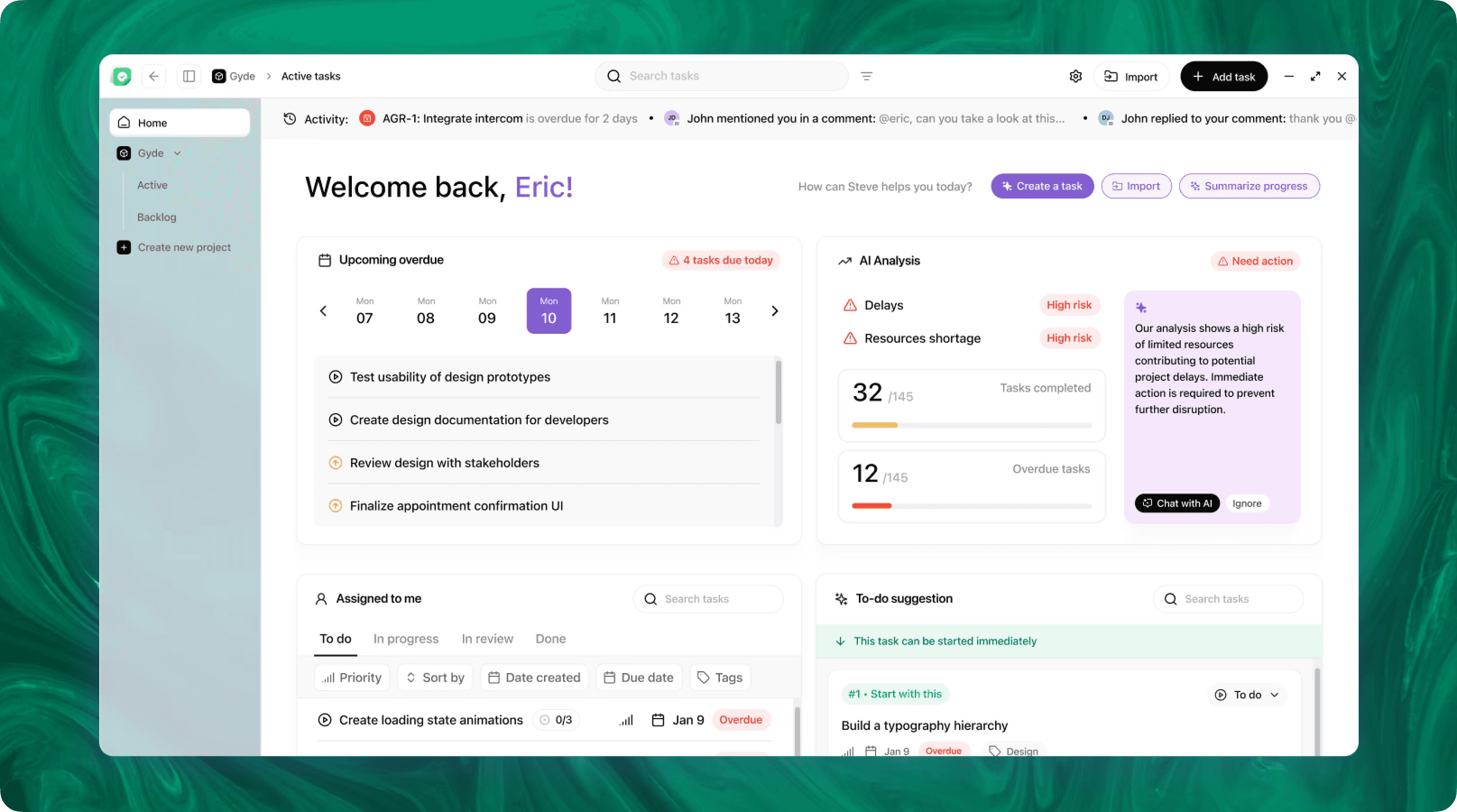
Steve is an AI-native operating system designed to streamline business operations through intelligent automation. Leveraging advanced AI agents, Steve enables users to manage tasks, generate content, and optimize workflows using natural language commands. Its proactive approach anticipates user needs, facilitating seamless collaboration across various domains, including app development, content creation, and social media management.
Conclusion
AI-driven lead qualification succeeds when systems remember, synthesize, and act on context across channels. Steve, as an AI OS, brings those capabilities together: shared memory creates durable lead profiles, AI Email triages and summarizes inbound signals, Steve Chat enables contextual conversational enrichment, and Task Management automates handoffs and tracking. The combined flow reduces manual triage, surfaces higher-quality opportunities sooner, and keeps teams aligned on what matters next—turning scattered interactions into predictable pipeline outcomes.