AI-Driven Facility Inspection Reporting for Enterprises
Jan 21, 2026

Conversational Inspections And Shared Context: Natural-language interactions plus shared memory preserve asset history and enforce consistent reporting across teams.
Automated Evidence Capture And File-Aware Reporting: File-aware chat accepts photos and documents to produce context-rich draft reports with attached evidence and timestamps.
Integrated Communication And Action Via AI Email: AI Email auto-summarizes threads, tags priority messages, and drafts context-aware notifications to speed stakeholder response.
Tasking, Workflows, And Traceability: Task management turns findings into prioritized tickets with ownership and due dates, creating an auditable remediation chain.
Practical Scenario: From walkdown to closeout, Steve streamlines the full lifecycle—capture, report, notify, assign, and close—with preserved evidence for audits.
Introduction
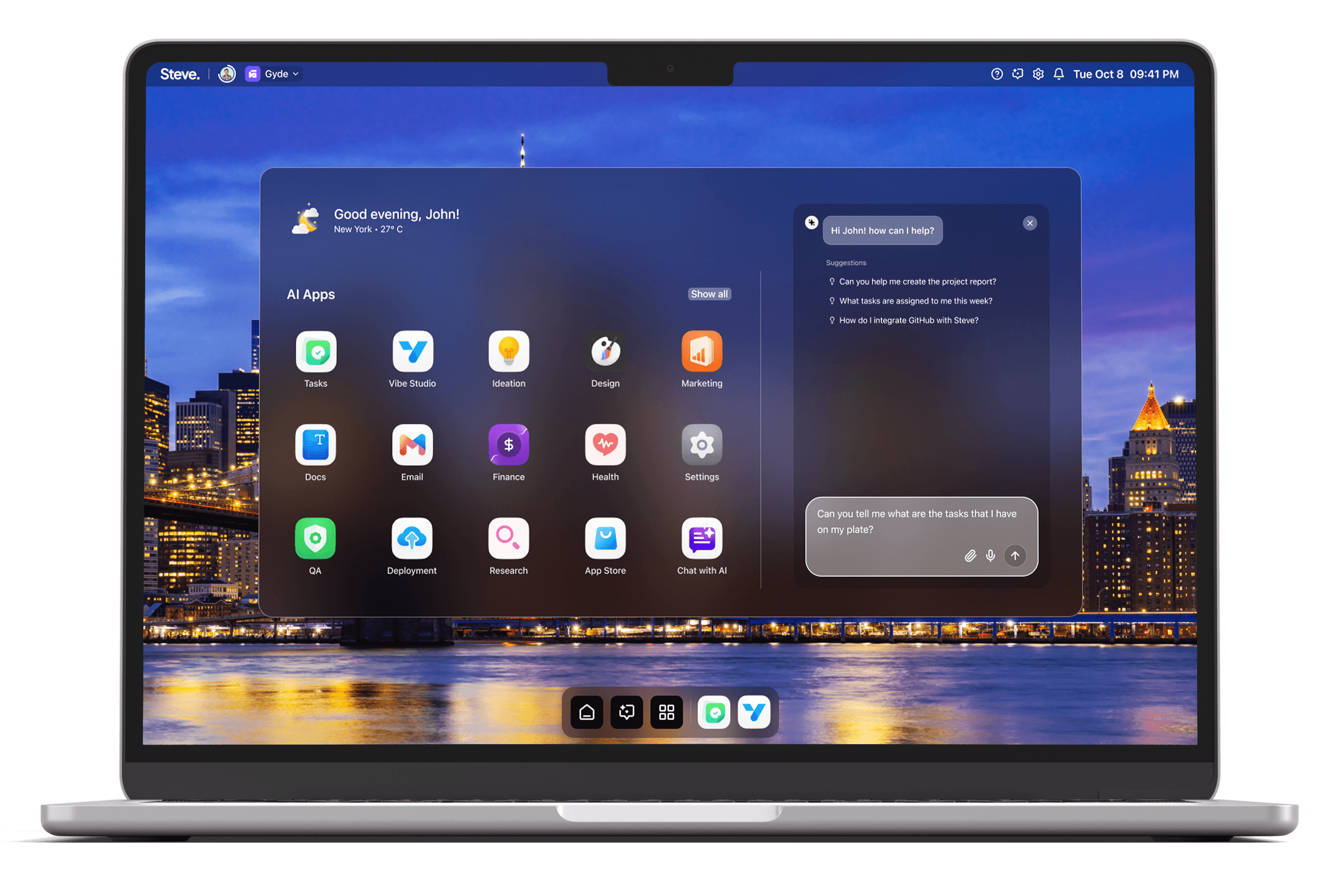
AI-driven facility inspection reporting transforms episodic, paper-heavy checks into continuous, auditable workflows that scale across enterprise portfolios. Inspections must capture evidence, enforce standards, assign corrective work, and produce clear reports for compliance and asset management. As an AI Operating System, Steve coordinates conversational agents, shared memory, file-aware context, and task orchestration to compress inspection cycles and raise data quality—enabling faster remediation, fewer repeat defects, and verifiable audit trails.
Conversational Inspections And Shared Context
Inspectors can interact with Steve through natural language to run checklists, capture findings, and confirm next steps without toggling multiple apps. Steve’s conversational interface remembers prior site context via its shared memory system so agents preserve asset histories, recurring issues, and inspector preferences across sessions. In practice, a field technician can describe a defect verbally and Steve links that observation to previous incidents for the same asset, surfaces related remediation notes, and prompts required compliance fields—reducing omissions and enforcing consistent reporting across teams.
Automated Evidence Capture And File-Aware Reporting
Steve supports file-aware conversations: inspectors upload photos, PDFs, and spreadsheets directly into chat to enrich findings and let AI agents extract structured facts. Uploaded images become part of the report package while documents—such as past inspection PDFs or equipment manuals—provide immediate context to validate observations. Steve assembles those artifacts into context-rich draft reports that include timestamps, attached evidence, and concise narrative summaries, cutting manual compilation time and improving the defensibility of inspection results.
Integrated Communication And Action Via AI Email
Timely stakeholder communication is critical after an inspection. Steve’s AI Email module summarizes long threads, auto-tags critical messages, and drafts context-aware notifications so operations and maintenance teams receive clear, prioritized updates. For example, after a high-severity finding, Steve can generate a concise incident summary with attached evidence and suggested next steps, then prepare an email draft addressed to the responsible parties. These AI-generated messages preserve inspection context and accelerate approvals without forcing inspectors to switch tools.
Tasking, Workflows, And Traceability
Steve turns inspection findings into executable tasks and organized workflows using its task management capabilities. When an issue requires action, Steve proposes prioritized tickets, assigns owners, and can sequence follow-ups into sprints or maintenance cycles—keeping planning and execution in the same workspace. Integration with calendars and file stores (via Steve Chat) helps schedule inspections, link contractors to work orders, and capture closure evidence. This creates an auditable chain from observation to remediation, enabling managers to track SLAs and generate compliance-ready reports.
Practical Scenario: From Walkdown To Closeout
During a routine walkdown, an inspector narrates observations to Steve, uploads photos of a corroded valve, and references the equipment manual. Steve cross-references prior incidents from shared memory, generates a concise findings summary with attached evidence, drafts an AI Email to maintenance with severity tags, and creates a task in the management board with due dates and acceptance criteria. The maintenance lead receives the email, updates the task after repairs, and uploads before/after photos; Steve closes the loop by appending closure evidence to the original report and preserving the entire thread for audits.
Steve
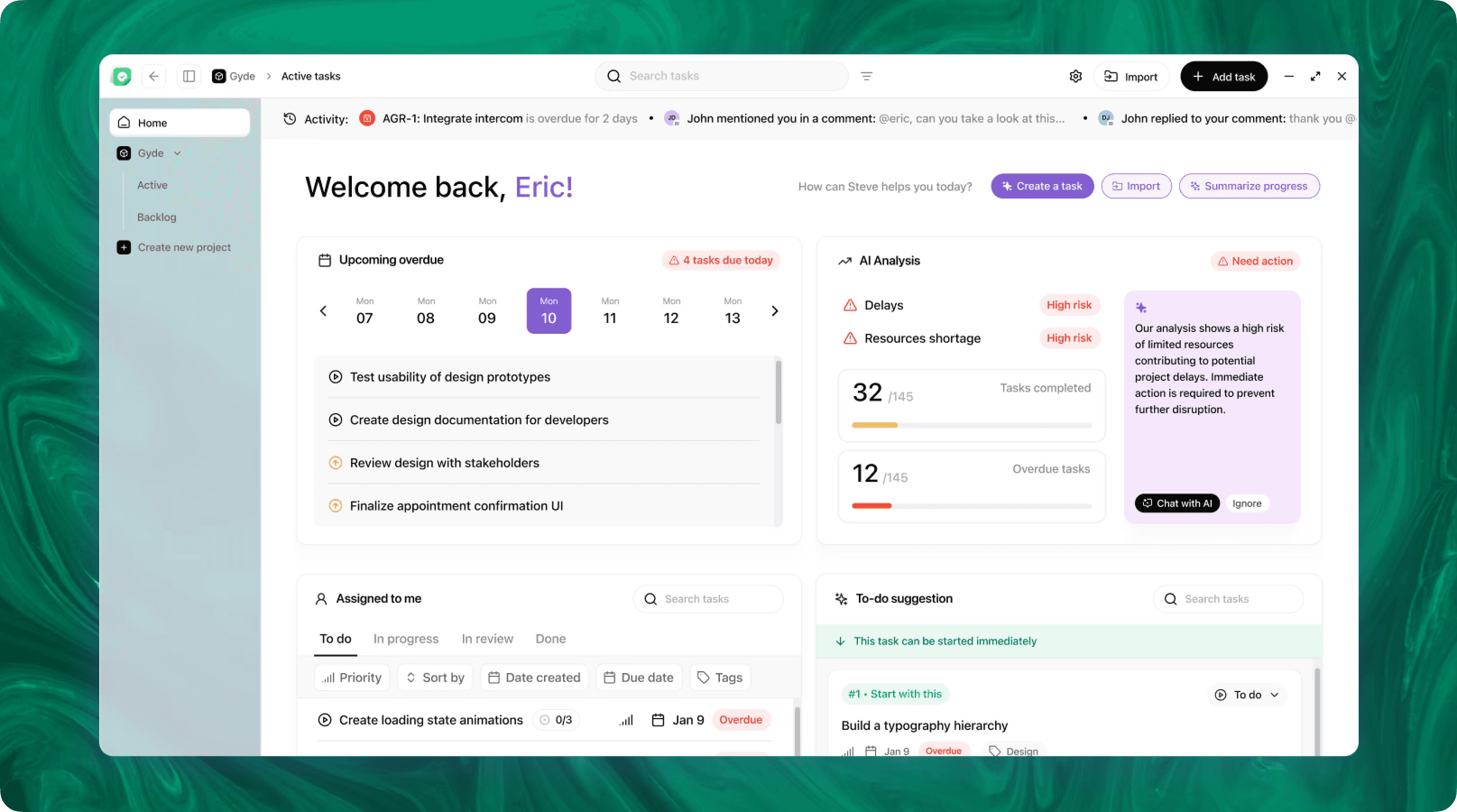
Steve is an AI-native operating system designed to streamline business operations through intelligent automation. Leveraging advanced AI agents, Steve enables users to manage tasks, generate content, and optimize workflows using natural language commands. Its proactive approach anticipates user needs, facilitating seamless collaboration across various domains, including app development, content creation, and social media management.
Conclusion
Enterprises that adopt AI-driven inspection reporting gain speed, consistency, and traceability. As an AI OS, Steve combines conversational intelligence, shared memory, file-aware context, AI Email, and task orchestration to convert field observations into validated, actionable reports while keeping stakeholders aligned. The result is fewer manual handoffs, faster remediation, and inspection records you can trust for operations and compliance.